
Types of Butterflies in Wyoming
Wyoming has more than 200 butterfly species, a large list for a state with so few people, because it climbs from shortgrass prairie below 1,000 metres to alpine tundra above 4,000 metres and holds Yellowstone, the Tetons and the largest sagebrush steppe in the country. The state butterfly is Sheridan's Green Hairstreak, a small green-undersided butterfly of the foothills adopted in 2009. Fritillaries, checkerspots, blues, coppers and sulphurs dominate the fauna, the Two-tailed Swallowtail is the largest species, and the season is short and intense, peaking in July.

On this page
- Butterflies found in Wyoming
- Butterflies of Wyoming at a glance
- Signature species and the state butterfly
- The Wyoming butterfly calendar
- Where to see butterflies in Wyoming
- Host plants and butterfly gardening in Wyoming
- Rare and threatened butterflies in Wyoming
- How to identify butterflies in Wyoming
- Frequently asked questions
Butterflies of Wyoming at a glance
Wyoming's butterfly list runs past 200 species, and the reason is elevation. The state rises from the Great Plains along the Nebraska line, through the Powder River and Bighorn basins, across the sagebrush of the Red Desert and Great Divide Basin, and up into the Bighorns, Wind Rivers, Absarokas, Tetons and Snowy Range, with alpine tundra above the tree line at roughly 3,200 metres. A prairie species and a tundra species can be found on the same summer day a two-hour drive apart.
The brush-footed butterflies are the largest family here and include the state's speciality group, the fritillaries: eleven Speyeria and ten Boloria species, more than almost any other state. Checkerspots, crescents, admirals, tortoiseshells and anglewings fill out the family. The blues, coppers and hairstreaks come next, with a remarkable set of coppers, then the whites and sulphurs, in which Wyoming has more Colias sulphurs than any eastern state.
The skippers contribute more than 50 species, many of them grassland Hesperia and Polites, while the swallowtails and parnassians number eleven and the metalmarks just one, the Mormon Metalmark of buckwheat slopes.
Signature species and the state butterfly
Sheridan's Green Hairstreak became the official state butterfly in 2009. It is a thumbnail-sized insect, grey-brown above and bright green beneath with a thin white line, and it flies early, from late March into May, on sagebrush foothills and rocky ridges wherever its host plant, wild buckwheat, grows. It was chosen because it lives across most of the state and was named from specimens collected in Sheridan County.
The big showpieces are the swallowtails. The Two-tailed Swallowtail, Wyoming's largest butterfly, patrols chokecherry and ash along creek bottoms, and the Western Tiger Swallowtail is common along cottonwood rivers. Higher up, the Rocky Mountain and Clodius Parnassians glide over alpine meadows and hilltops on translucent white wings spotted with red.

Among the brush-foots, the Great Spangled Fritillary and its many relatives cover mountain meadows in July, Weidemeyer's Admiral, white-banded on black, holds territories in every canyon, and the Mourning Cloak and Milbert's Tortoiseshell are the first butterflies of spring after overwintering as adults. The California Tortoiseshell erupts in some years into thousands moving over the western passes. The Viceroy lives along willow-lined rivers on the plains and looks like a small Monarch with an extra black line across the hindwing.
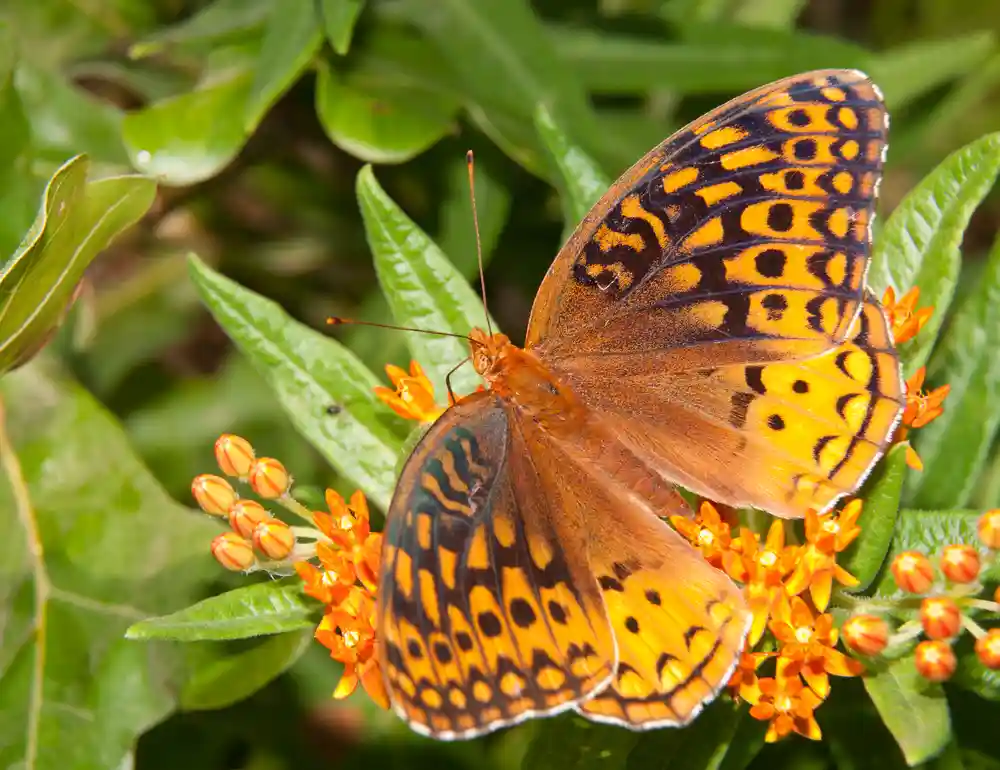
Yellowstone has its own specialities: Gillette's Checkerspot in willow bogs, the Relict Fritillary, which is found almost nowhere outside the Greater Yellowstone region, and Mead's Sulphur on the tundra.
The Wyoming butterfly calendar
Winter is long, so the season is compressed. The first butterflies are the hibernators, Mourning Cloaks, Milbert's Tortoiseshells and the commas, which appear on warm days in March and April, followed by Sheridan's Green Hairstreak, the elfins, spring azures and marbles in April and May.
June brings the checkerspots, coppers and the first fritillaries to the foothills, and July is the peak everywhere below the tree line: fritillaries by the dozen on thistles, blues at every puddle, sulphurs and skippers across the meadows. The alpine zone lags a month behind, so the parnassians, Mead's Sulphur, the Arctic Blue and the high Boloria fritillaries fly from mid-July into August, weather permitting.
Monarchs are summer residents rather than a spectacle. They arrive in June, breed on showy milkweed along rivers and roadsides, and their offspring leave by late September on the long migration to Mexico. Painted Ladies reach Wyoming in numbers only in flight years, when they can carpet the alfalfa fields in late summer, and the Common Buckeye, Cloudless Sulphur and Queen are southern strays that turn up in September in warm years. By October only the hibernators are left.
Where to see butterflies in Wyoming
Butterflies here follow water and flowers, so creek bottoms, wet meadows and the edges of aspen groves are always better than open sagebrush.
- Yellowstone National Park — Lamar and Hayden valleys and the Bechler meadows for fritillaries, checkerspots and Gillette's Checkerspot; Dunraven Pass for alpine species.
- Grand Teton National Park — the sagebrush flats of Antelope Flats and the trails around Jenny Lake for parnassians, blues and Weidemeyer's Admiral.
- Bighorn Mountains — Highway 14A and the Medicine Wheel area for high-elevation fritillaries and coppers in late July.
- Snowy Range, Medicine Bow National Forest — meadows around Libby Flats and Lake Marie for Mead's Sulphur and the Arctic Blue.
- Devils Tower and the Black Hills — eastern species such as the Hackberry Emperor, Eastern Comma and Canadian Tiger Swallowtail at their western edge.
- Cheyenne Botanic Gardens and the Platte River — the easiest place to watch Monarchs, Viceroys and swallowtails in town.
Male blues, sulphurs and swallowtails gather at damp gravel to drink minerals, so a muddy pull-out on a mountain road can produce more butterflies than a flower bed.
Host plants and butterfly gardening in Wyoming
Wyoming gardens are windy, dry and frost-prone in every month, so the plants that work are the natives that already feed local caterpillars. Our guide to butterfly host plants covers the principle; here are the regional choices.
- Showy milkweed (Asclepias speciosa) — the Monarch's main food plant in the Rockies.
- Wild buckwheat (Eriogonum) — Sheridan's Green Hairstreak, the Mormon Metalmark and several blues.
- Willow, aspen and cottonwood — Viceroy, Weidemeyer's Admiral, Mourning Cloak and the tiger swallowtails.
- Nettle — Milbert's Tortoiseshell, Red Admiral and Satyr Comma.
- Violets — every Speyeria fritillary; leave them in the lawn.
- Lupine, vetch and clover — Boisduval's, Silvery and Melissa Blues and the sulphurs.
- Dill, parsley and fennel — the Anise and Black Swallowtails in vegetable beds.
- Penstemon and snowberry — the Variable and Edith's Checkerspots.
For nectar, rabbitbrush in September is the single most valuable plant in the state, feeding the last Painted Ladies and Monarchs before the frosts; before that, native thistles, blanketflower, bee balm and blazing star carry the summer.
Rare and threatened butterflies in Wyoming
No Wyoming butterfly is currently listed under the Endangered Species Act, but two are under federal review. The Regal Fritillary, a large orange and black-velvet species of tallgrass prairie, hangs on in a few eastern grasslands and has vanished from most of its former range as prairie was ploughed; the Monarch was proposed for threatened status in 2024. The Wyoming State Wildlife Action Plan also names several skippers of native grassland, including the Ottoe Skipper, as species of greatest conservation need.
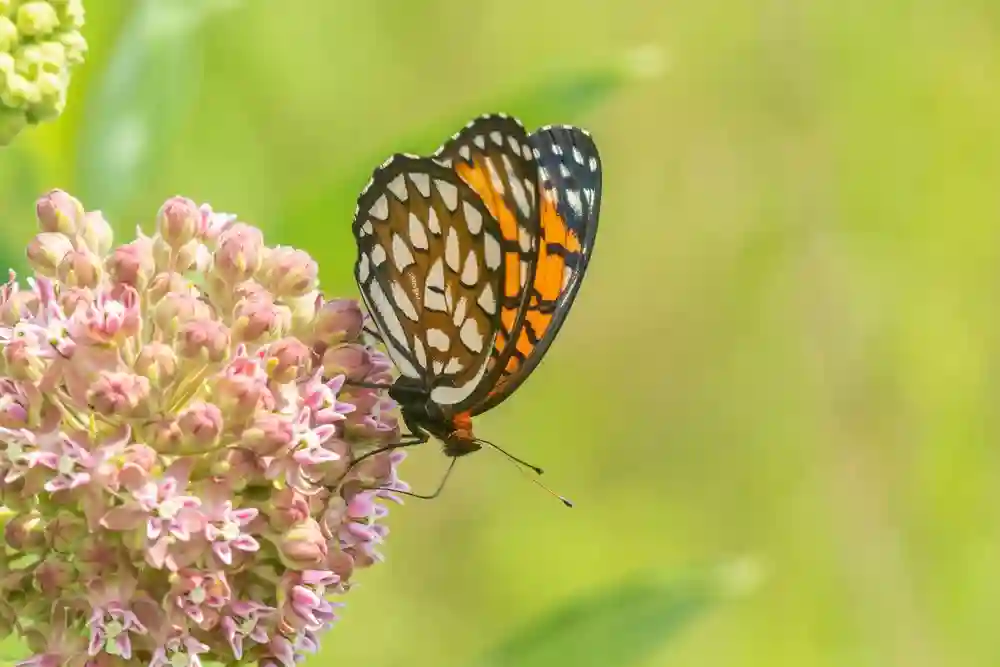
The threats are regional rather than dramatic: conversion of native prairie, heavy grazing of riparian willows, spread of cheatgrass through the sagebrush, energy development in the basins and a warming climate that pushes alpine species such as Mead's Sulphur and the Relict Fritillary up slopes that end in rock. The good news is that public land covers about half the state, so most Wyoming butterflies still have room, and the Fourth of July butterfly counts run by volunteers in Cheyenne, Laramie and the Bighorns give a long-term record of how they are faring.
Butterflies found in Wyoming
203 species listed for Wyoming, grouped by family. Linked names have a full profile on this site with pictures of every life stage.
Brush-Footed (Nymphalidae)
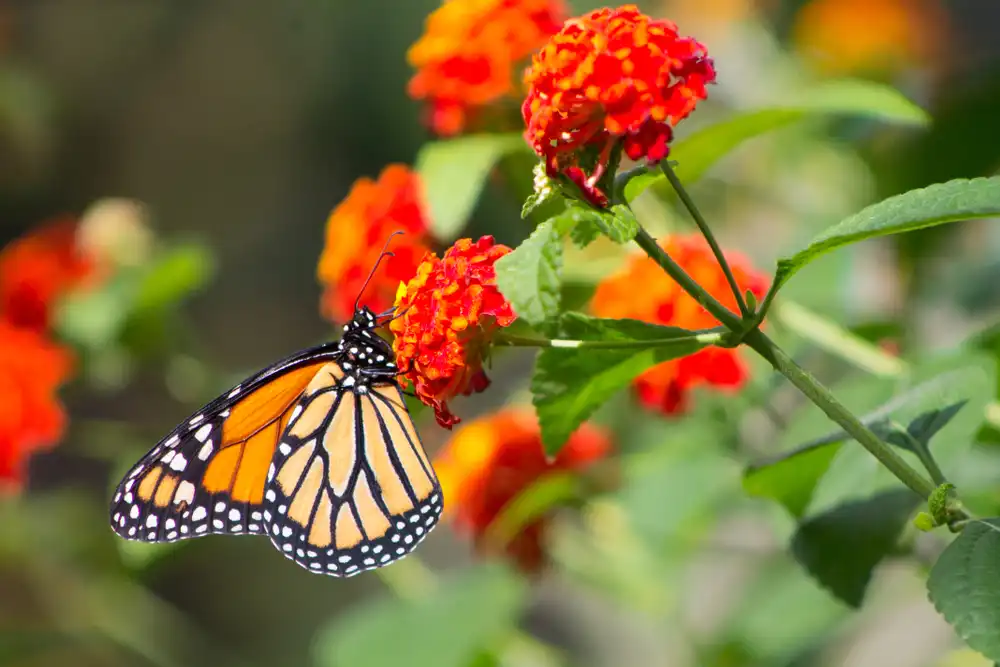 Limenitis archippusViceroy (Limenitis archippus)The viceroy (Limenitis archippus) is an orange-and-black North American butterfly that looks like a small monarch but carries one extra black line cur
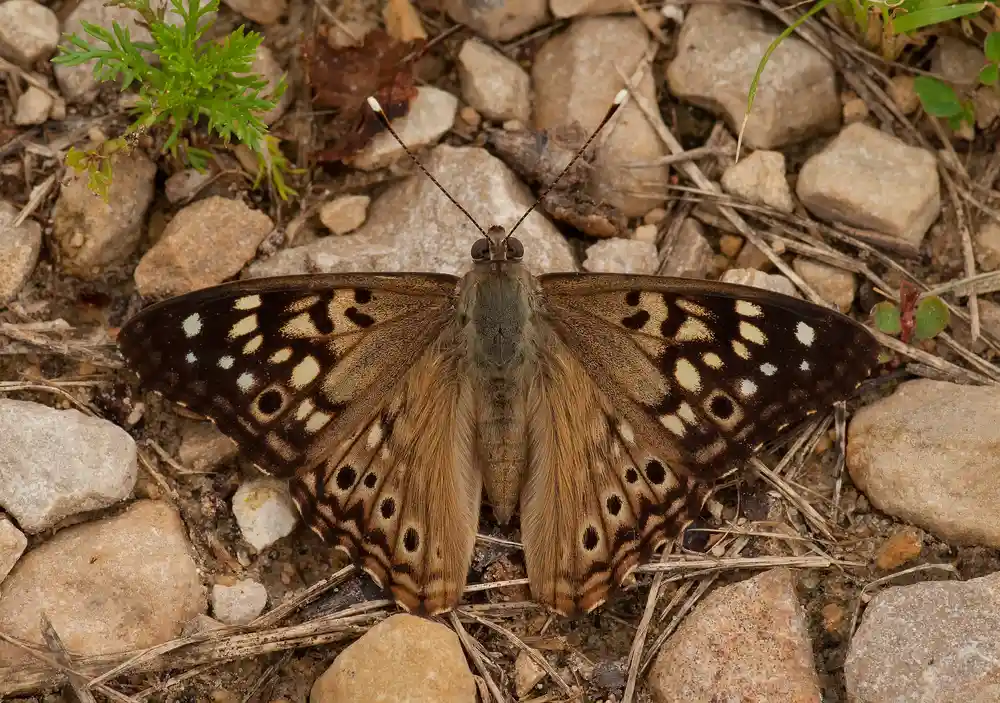 Asterocampa celtisHackberry Emperor (Asterocampa celtis)The hackberry emperor is a medium-sized tan and brown butterfly of eastern and central North America that never strays far from a hackberry tree, and
 Speyeria aphroditeAphrodite Fritillary (Speyeria aphrodite)The Aphrodite fritillary (Speyeria aphrodite) is a large orange-and-black butterfly of prairies, dry fields and open woodland across southern Canada aSpeyeria cybeleGreat Spangled Fritillary (Speyeria cybele)A big orange butterfly of summer meadows, the great spangled fritillary is named for the sheet of silver spangles on the underside of its hindwings.Speyeria idaliaRegal Fritillary (Speyeria idalia)Big, fast and unmistakable, the regal fritillary is the butterfly of the North American tallgrass prairie: orange forewings, near-black hindwings stud
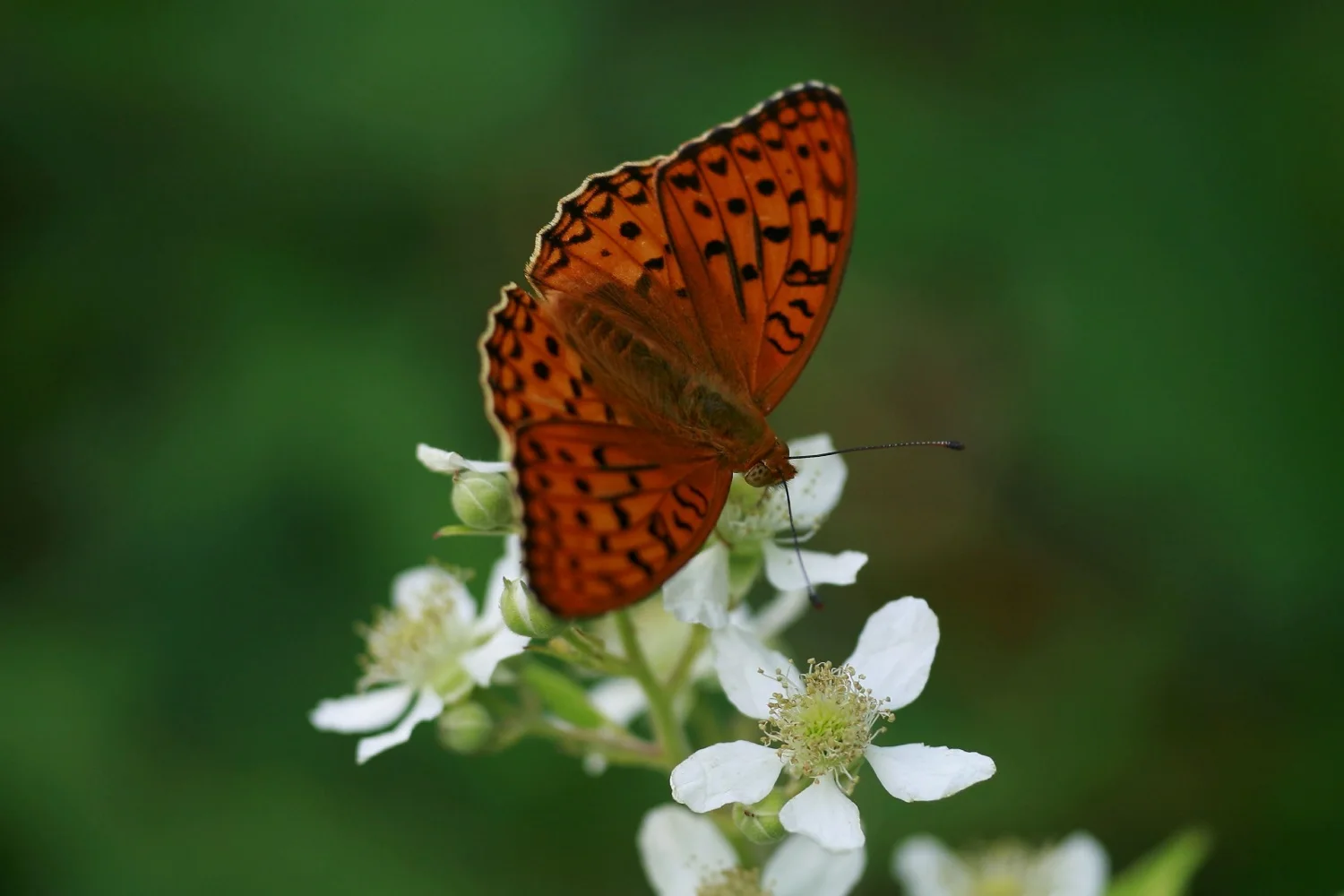 Boloria bellonaMeadow Fritillary (Boloria bellona)The meadow fritillary is a small orange-and-black butterfly of damp meadows and pastures across southern Canada and the northern United States, and th
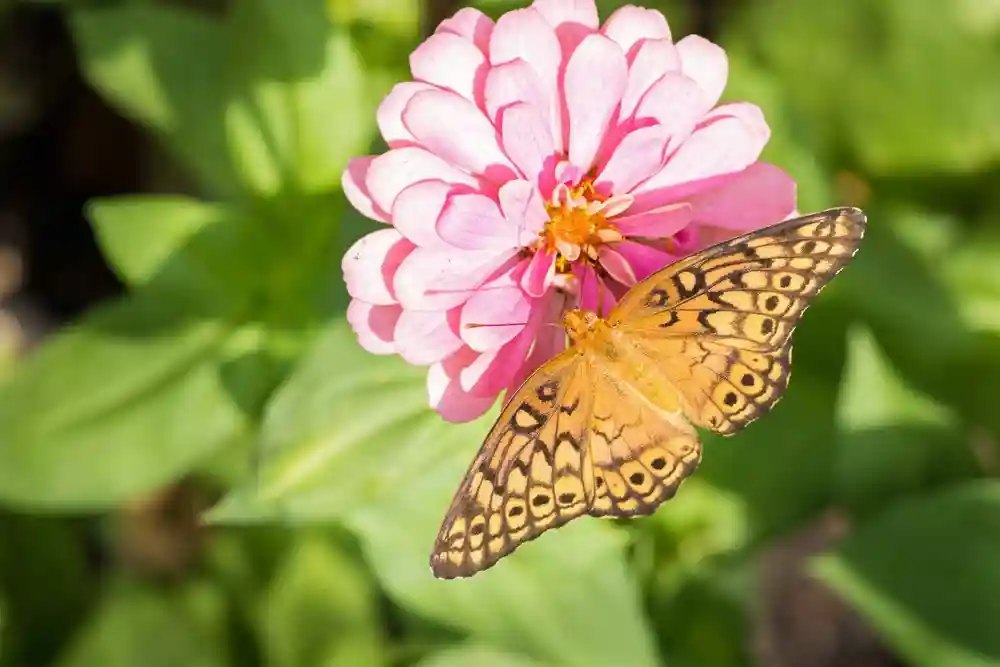 Euptoieta claudiaVariegated Fritillary (Euptoieta claudia)Half fritillary and half longwing, the variegated fritillary is the orange butterfly of American roadsides, pastures and vacant lots.
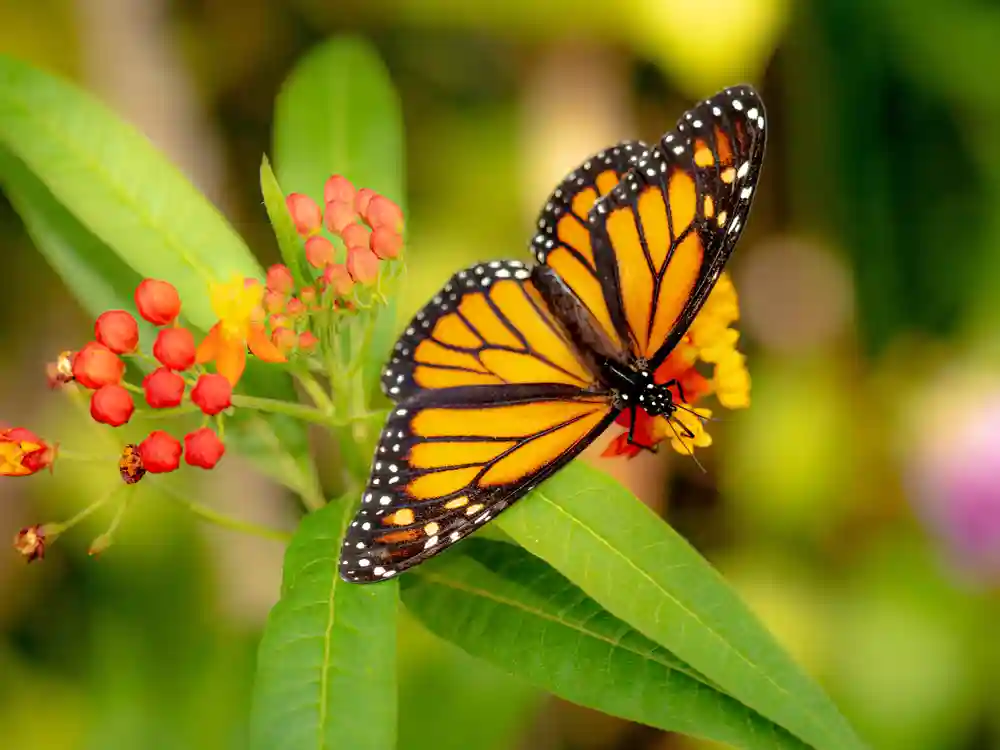 Danaus plexippusMonarch (Danaus plexippus)The monarch is a large orange butterfly with black-outlined wing veins and a black, white-spotted border, found across North America and now on severa
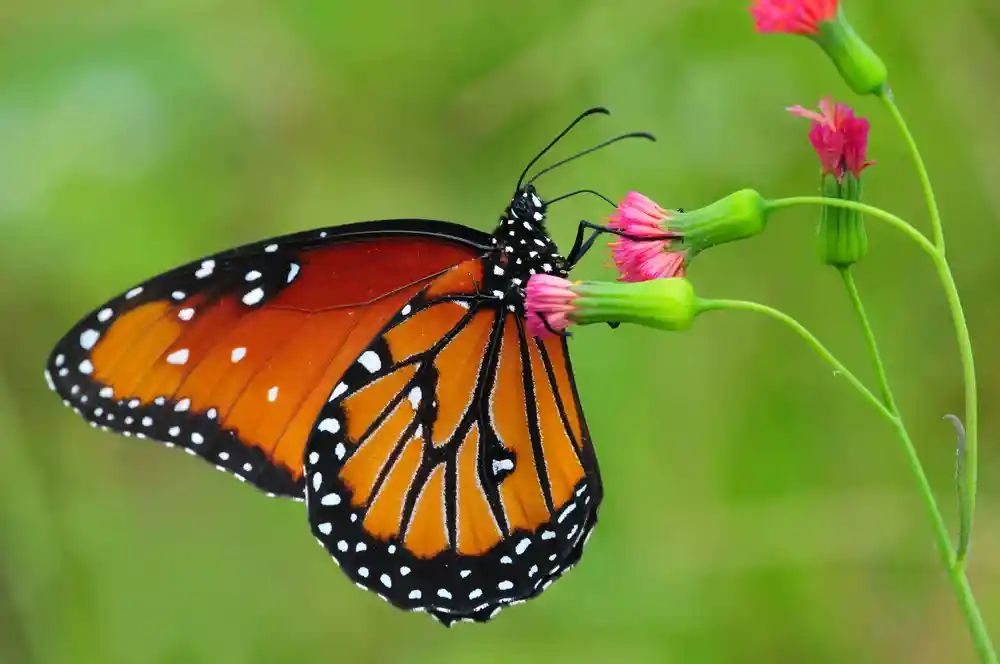 Danaus gilippusQueen (Danaus gilippus)A warm chestnut-brown milkweed butterfly of the southern states and the tropics, the queen is the monarch's smaller, darker cousin.
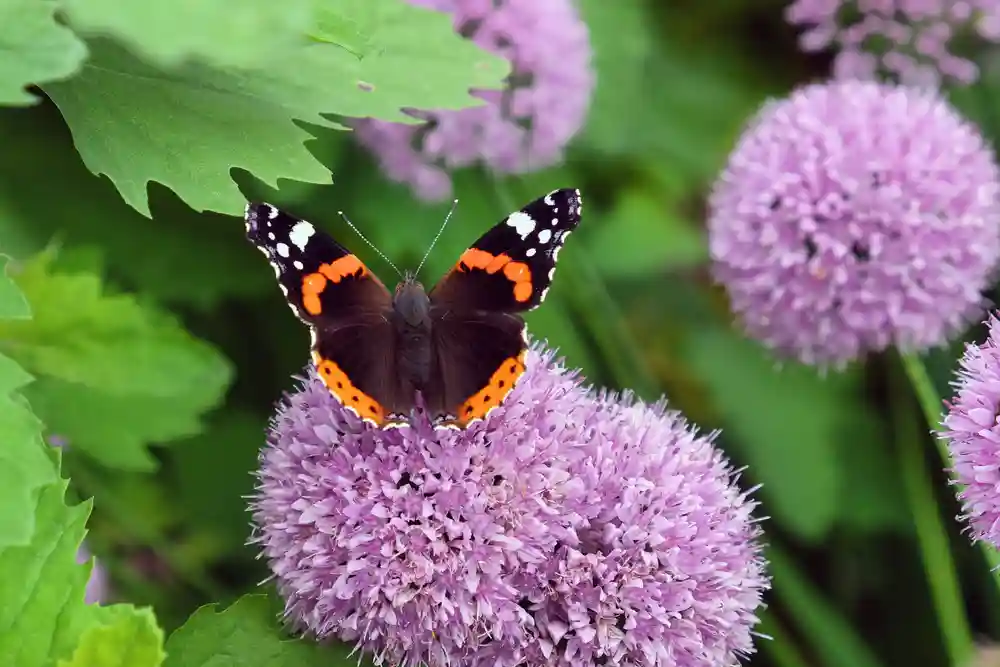 Vanessa atalantaRed Admiral (Vanessa atalanta)The red admiral (Vanessa atalanta) is a medium-sized blackish butterfly marked with one bright orange-red band across each forewing and a scatter of w
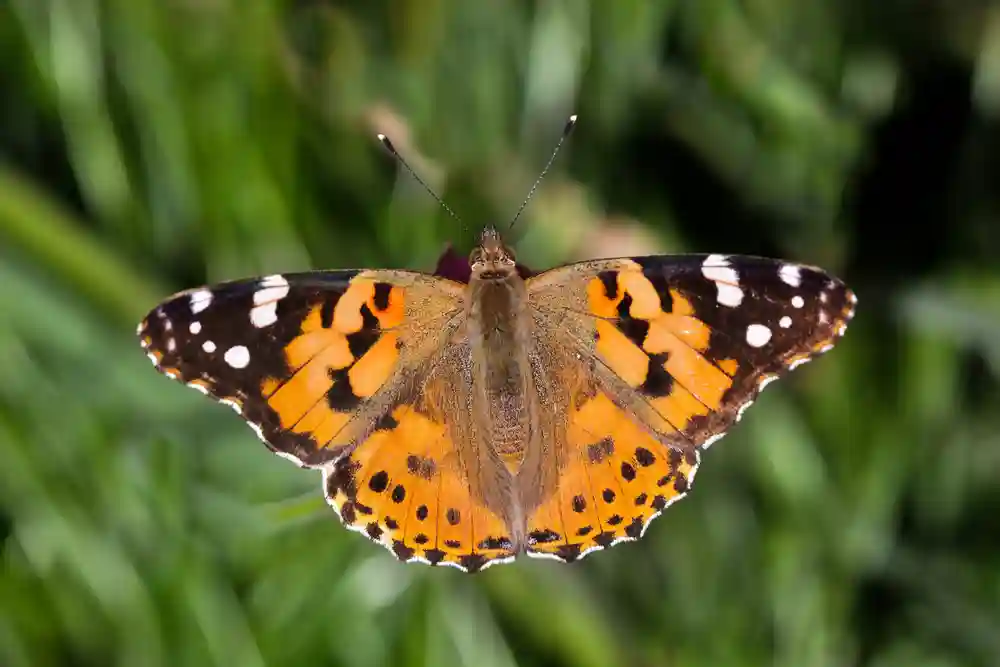 Vanessa carduiPainted Lady (Vanessa cardui)No other butterfly lives on so much of the planet.
 Nymphalis californicaCalifornia Tortoiseshell (Nymphalis californica)The California tortoiseshell (Nymphalis californica) is a fast, hook-winged orange butterfly of the brushfields and mountain forests of western North
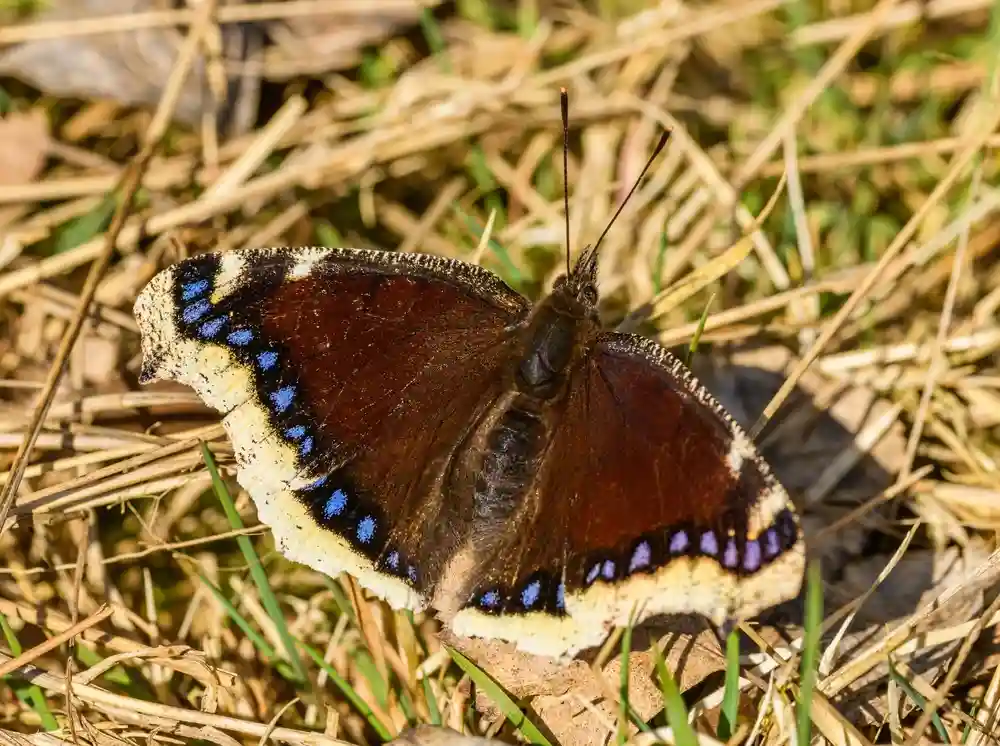 Nymphalis antiopaMourning Cloak (Nymphalis antiopa)The mourning cloak (Nymphalis antiopa) is a large dark butterfly of woodland, riverbank and suburb across North America and temperate Eurasia, and not
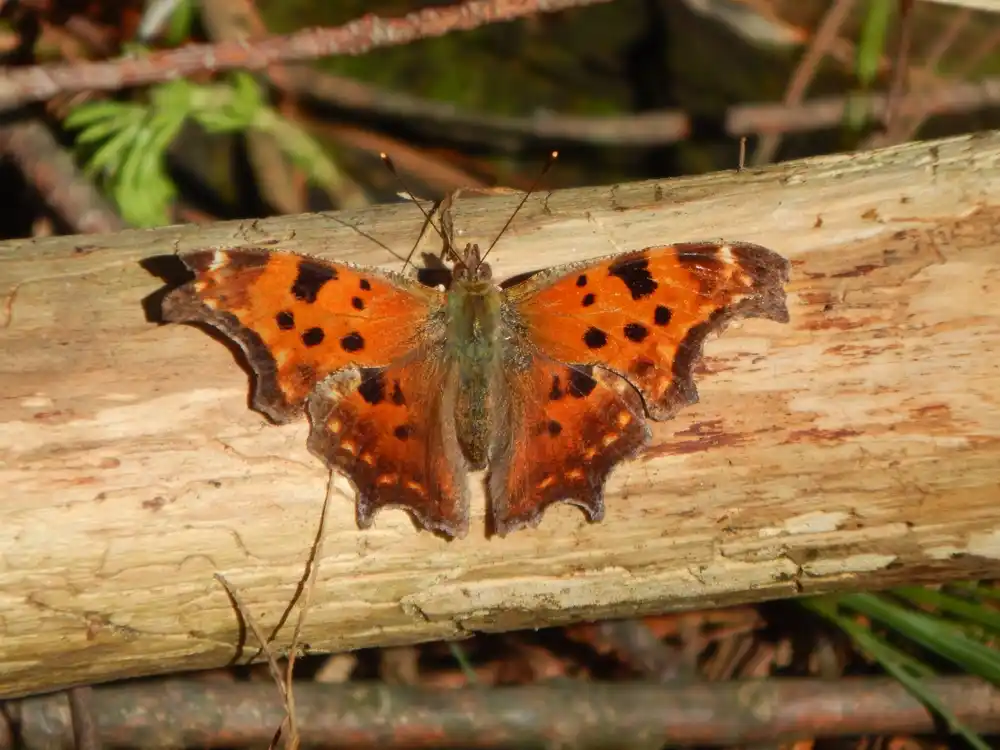 Polygonia commaEastern Comma (Polygonia comma)The eastern comma is an orange-and-black woodland butterfly of eastern North America with deeply ragged wing edges and a silvery comma-shaped mark on
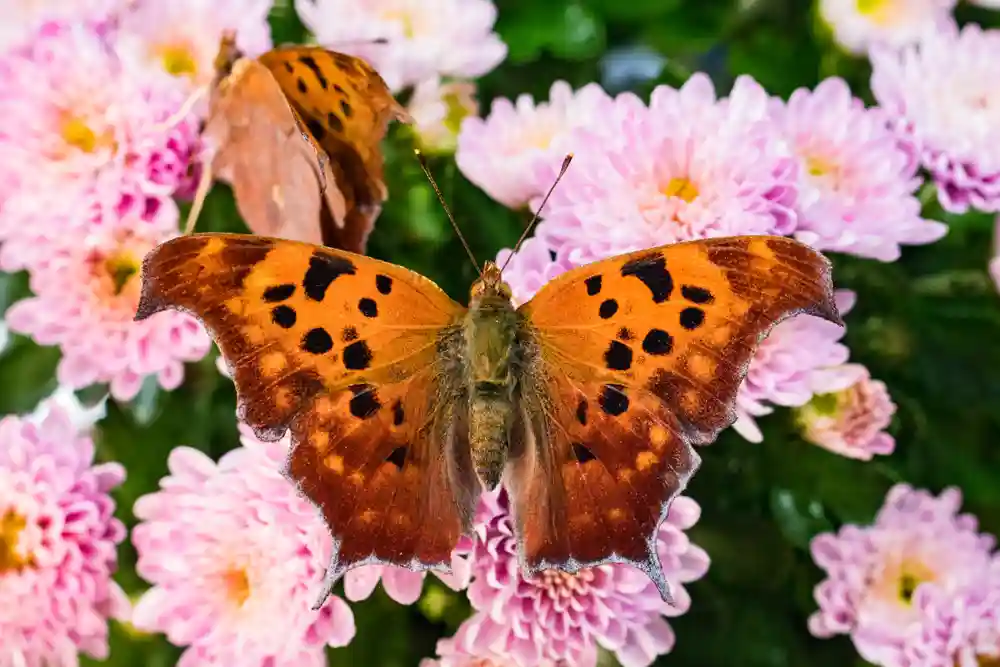 Polygonia interrogationisQuestion Mark (Polygonia interrogationis)The question mark is the largest of the North American anglewings, an orange-and-black woodland butterfly of the eastern United States, southeastern C
 Euphydryas edithaEdith’s Checkerspot (Euphydryas editha)Edith’s checkerspot (Euphydryas editha) is a small, boldly chequered black, red-orange and cream butterfly of western North America, found from Britis
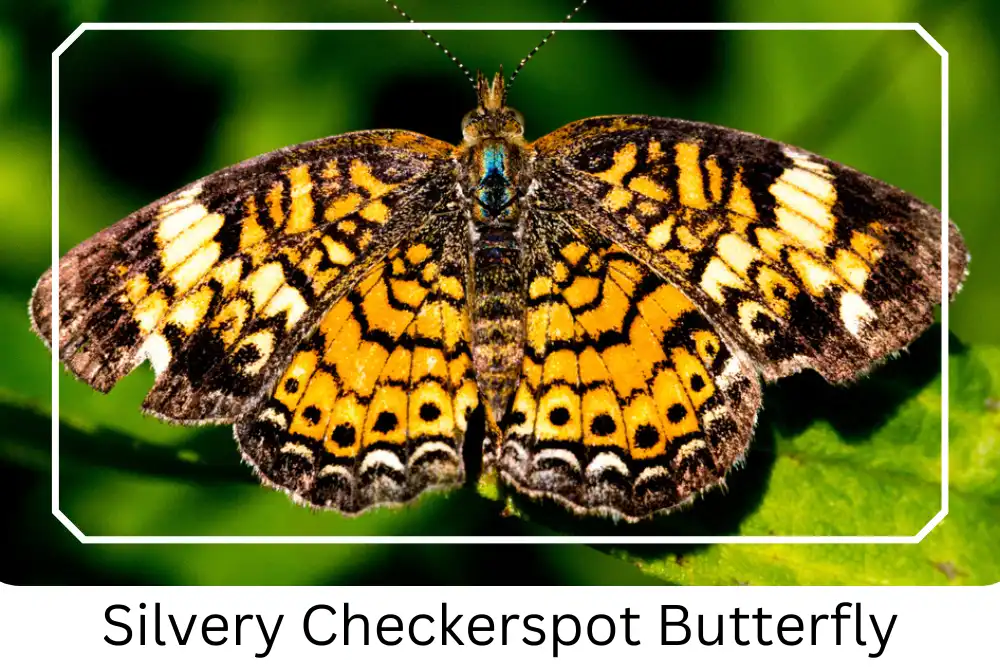 Chlosyne nycteisSilvery Checkerspot (Chlosyne nycteis)A medium-sized orange-and-black brush-foot of damp meadows and stream banks across eastern North America, the silvery checkerspot is named for the pal
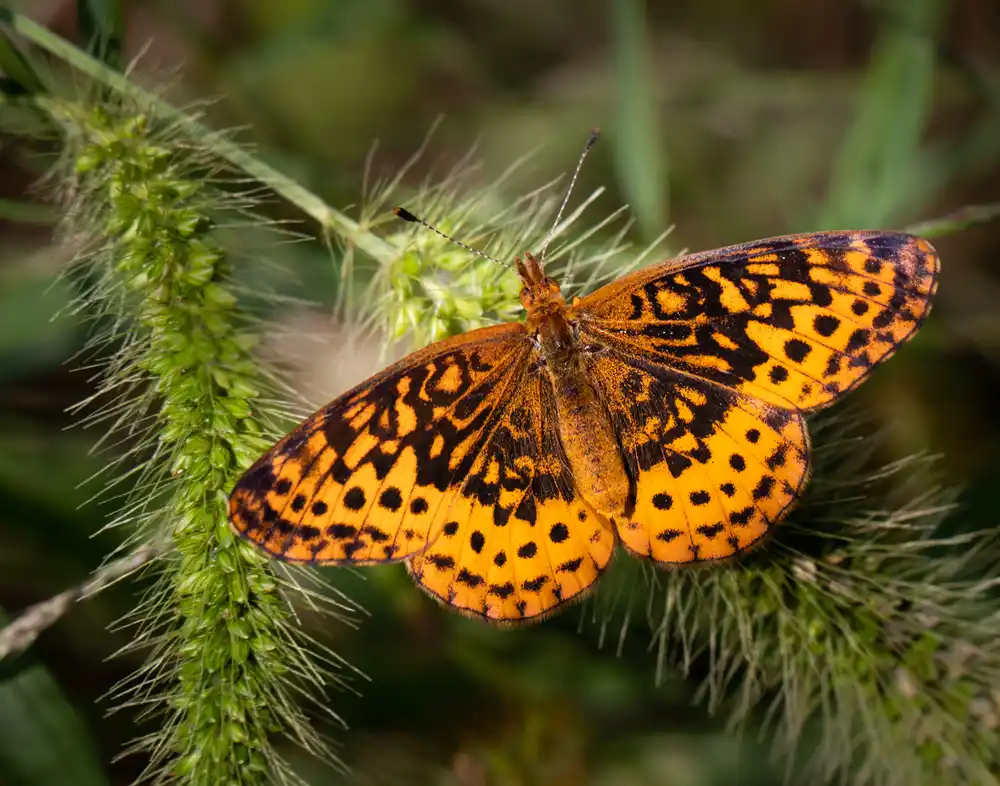 Phyciodes tharosPearl Crescent (Phyciodes tharos)Small, orange and endlessly busy, the pearl crescent is one of the butterflies most people in North America see without ever naming.
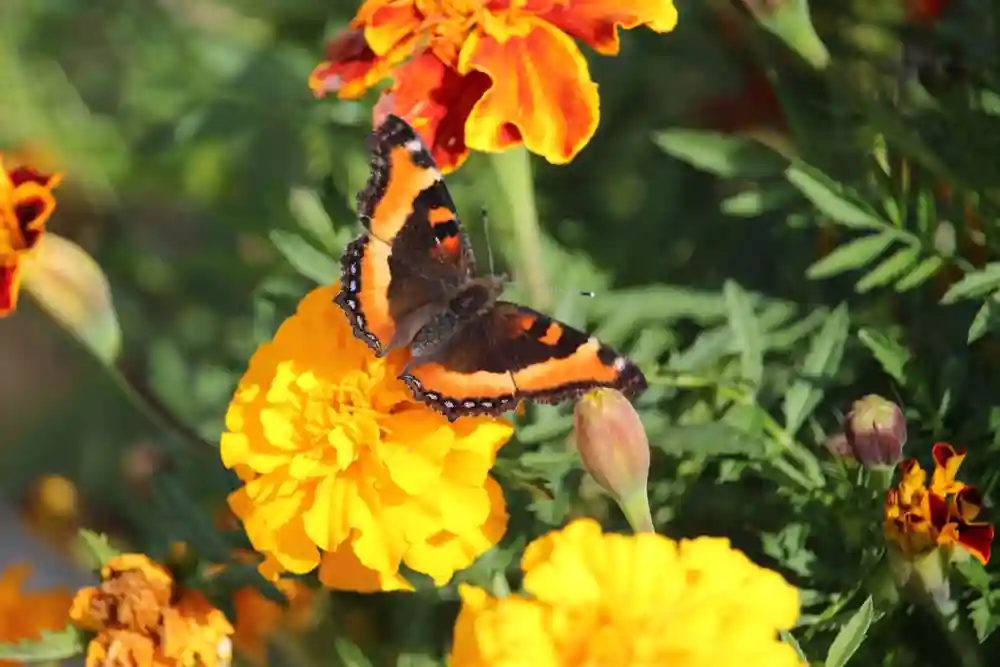 Aglais milbertiMilbert’s Tortoiseshell (Aglais milberti)Milbert’s tortoiseshell (Aglais milberti) is a medium-sized brush-footed butterfly of northern North America, from Alaska and Canada south through the
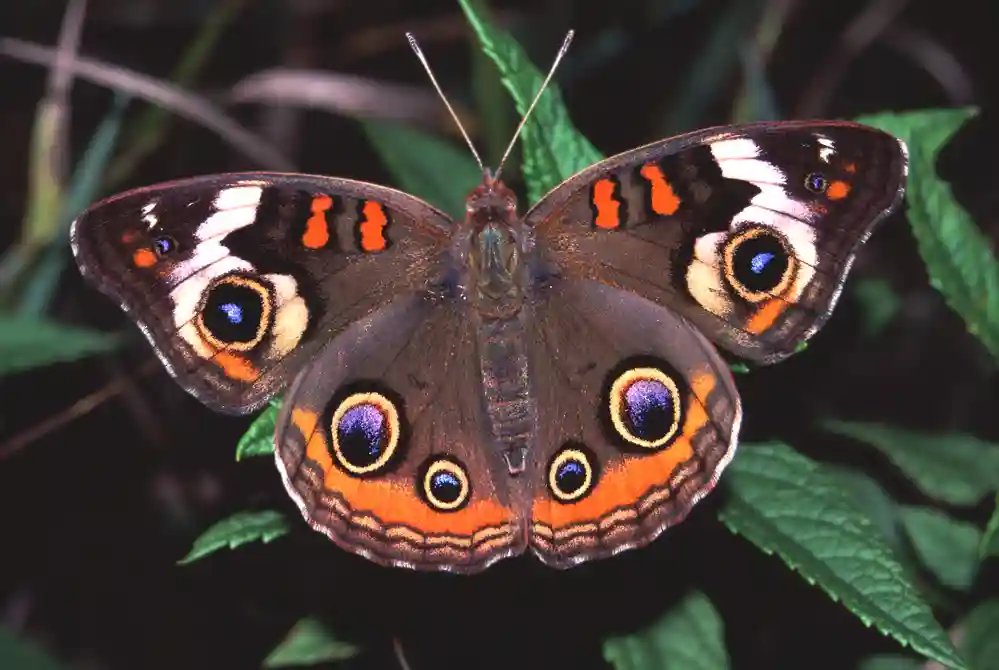 Junonia coeniaCommon Buckeye (Junonia coenia)Six large eyespots on a brown ground make the common buckeye one of the easiest North American butterflies to name and one of the hardest to approach.
Show all 40 other brush-footed species names
- Lorquin's Admiral (Limenitis lorquini)
- Weidemeyer's Admiral (Limenitis weidemeyerii)
- White Admiral (Limenitis arthemis arthemis)
- Callippe Fritillary (Speyeria callippe)
- Coronis Fritillary (Speyeria coronis)
- Edwards' Fritillary (Speyeria edwardsii)
- Great Basin Fritillary (Speyeria egleis)
- Mormon Fritillary (Speyeria mormonia)
- Northwestern Fritillary (Speyeria hesperis)
- Zerene Fritillary (Speyeria zerene)
- Hydaspe Fritillary (Speyeria hydaspe)
- Dingy Fritillary (Boloria improba)
- Arctic Fritillary (Boloria chariclea)
- Bog Fritillary (Boloria eunomia)
- Freija Fritillary (Boloria freija)
- Frigga Fritillary (Boloria frigga)
- Mountain Fritillary (Boloria alaskensis)
- Pacific Fritillary (Boloria epithore)
- Relict Fritillary (Boloria kriemhild)
- Silver-bordered Fritillary (Boloria selene)
- American Snout (Libytheana carinenta)
- American Lady (Vanessa virginiensis)
- West Coast Lady (Vanessa annabella)
- Compton Tortoiseshell (Nymphalis vaualbum)
- Gray Comma (Polygonia progne)
- Green Comma (Polygonia faunus)
- Hoary Comma (Polygonia gracilis)
- Field Crescent (Phyciodes pulchellus)
- Satyr Comma (Polygonia satyrus)
- Gillette's Checkerspot (Euphydryas gillettii)
- Gorgone Checkerspot (Chlosyne gorgone)
- Northern Checkerspot (Chlosyne palla)
- Rockslide Checkerspot (Chlosyne whitneyi)
- Sagebrush Checkerspot (Chlosyne acastus)
- Mylitta Crescent (Phyciodes mylitta)
- Northern Crescent (Phyciodes cocyta)
- Pale Crescent (Phyciodes pallida)
- Tawny Crescent (Phyciodes batesii)
- Variable Checkerspot (Euphydryas chalcedona)
- Dotted Checkerspot (Poladryas minuta)
Gossamer-Winged (Lycaenidae)
 Lycaena phlaeasCommon Copper (Lycaena phlaeas)The common copper (Lycaena phlaeas), known as the small copper in Europe and the American copper in North America, is a small, fast-flying butterfly o
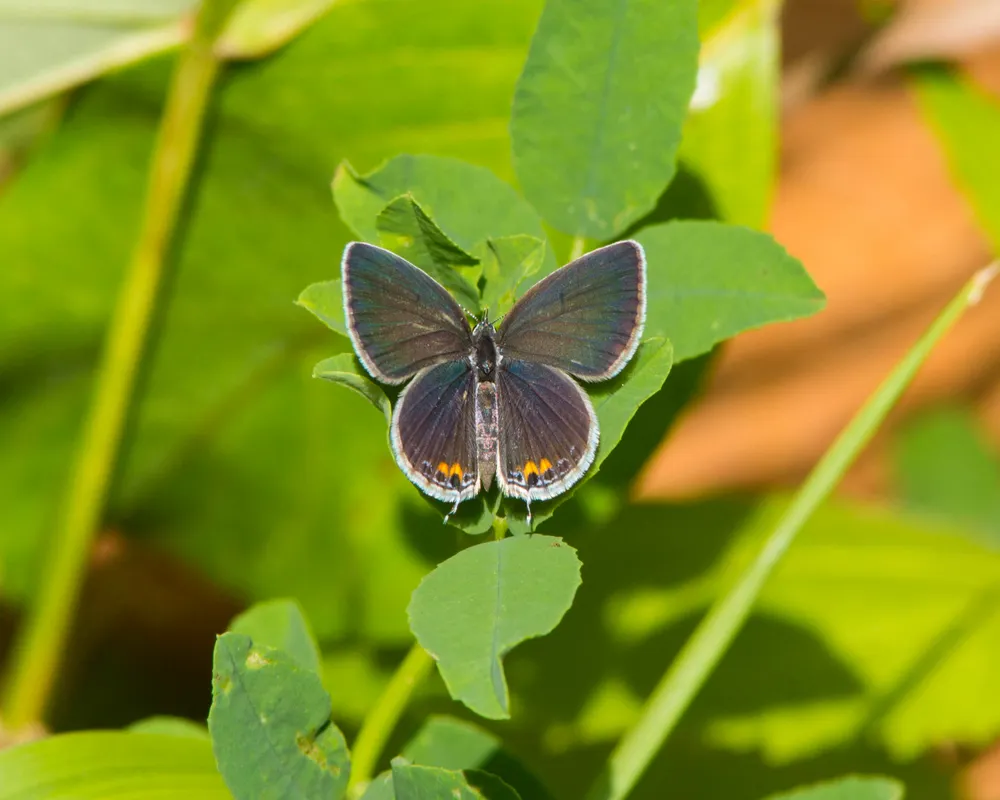 Cupido comyntasEastern Tailed Blue (Cupido comyntas)Barely an inch across and never far from a clover lawn, the eastern tailed blue is one of the most abundant butterflies in the eastern United States a
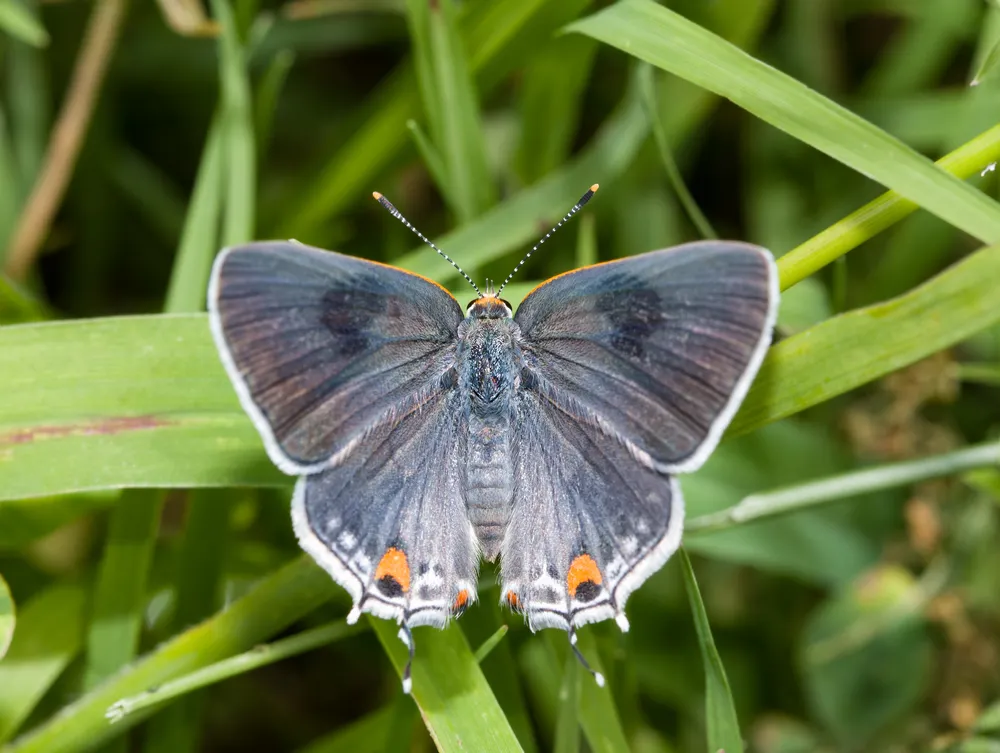 Strymon melinusGray Hairstreak (Strymon melinus)Small, slate-grey and almost impossible to avoid, the gray hairstreak is the most widespread hairstreak in North America and probably the least fussy
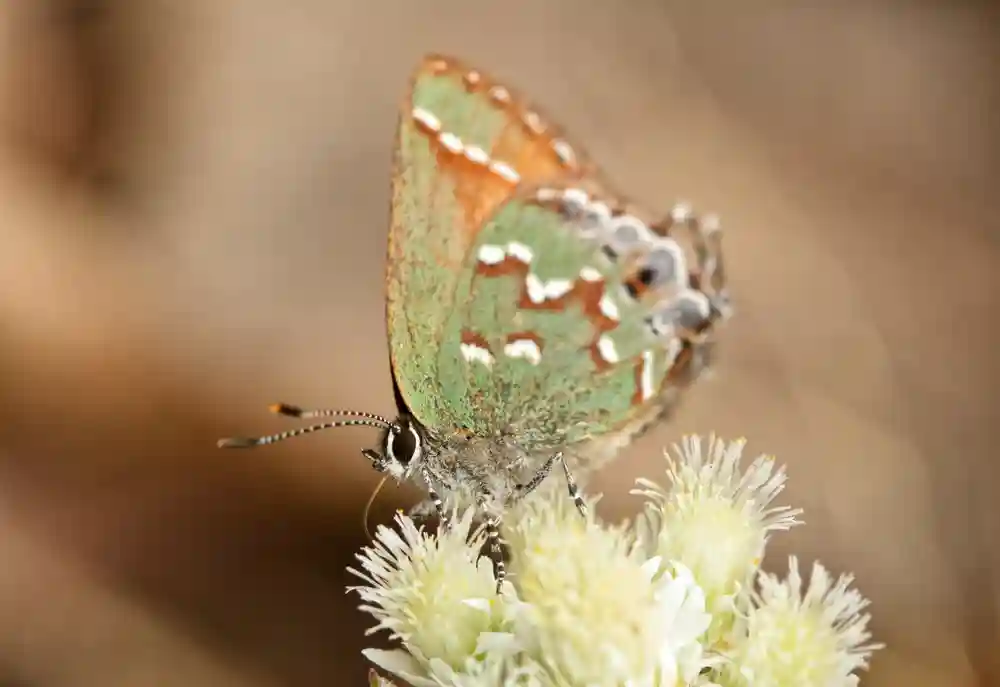 Callophrys gryneusJuniper Hairstreak (Callophrys gryneus)The juniper hairstreak (Callophrys gryneus) is a small North American butterfly, barely over an inch across, whose underside is a clear leaf green cro
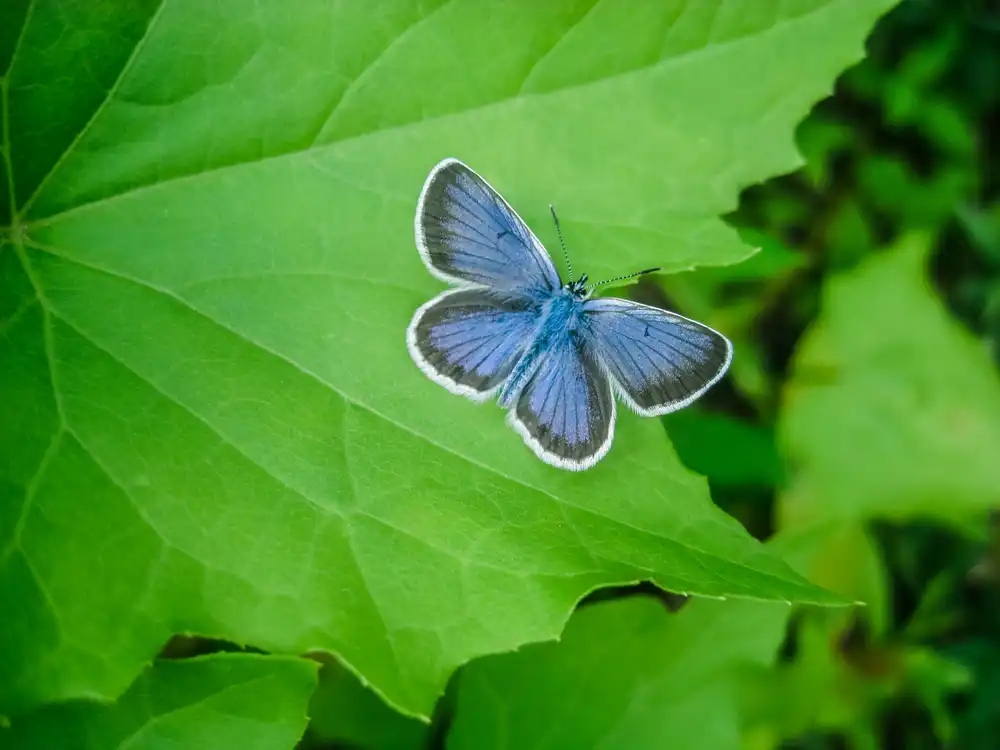 Glaucopsyche lygdamusSilvery Blue (Glaucopsyche lygdamus)One of the first blues on the wing each spring, the silvery blue flashes metallic silver-blue in flight and then settles to show a plain grey undersid
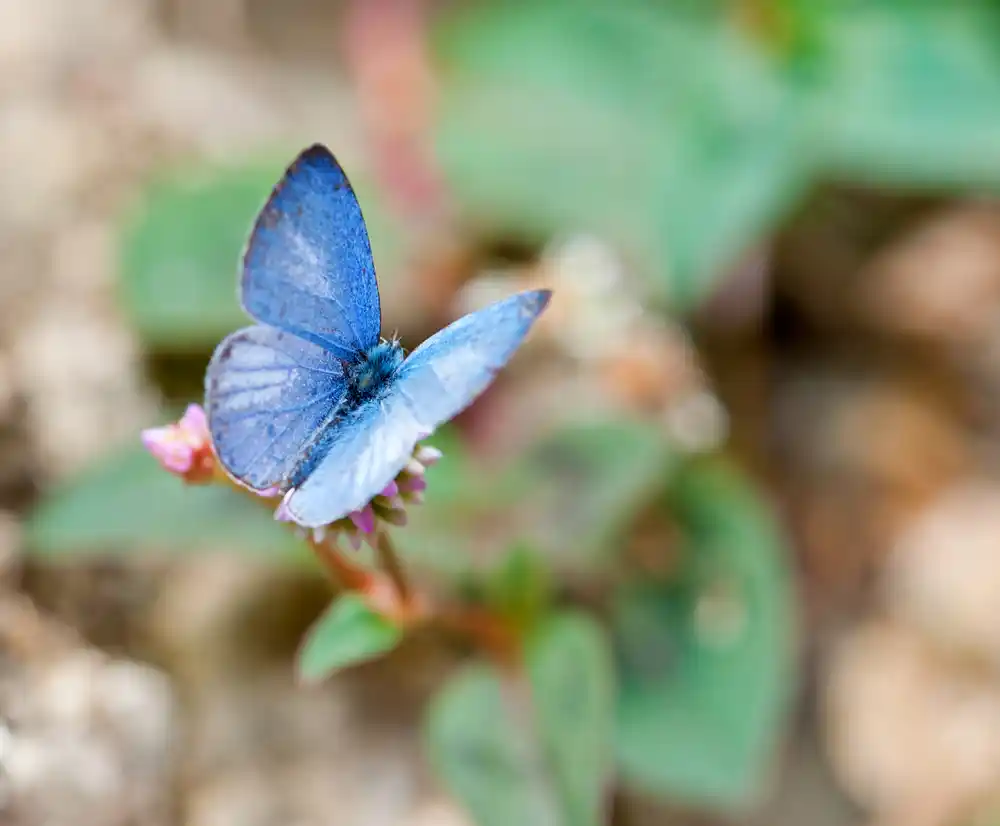 Celastrina ladonSpring Azure (Celastrina ladon)The spring azure is often the first butterfly of the year, a small violet-blue flake that appears along a woodland edge while the trees are still bare
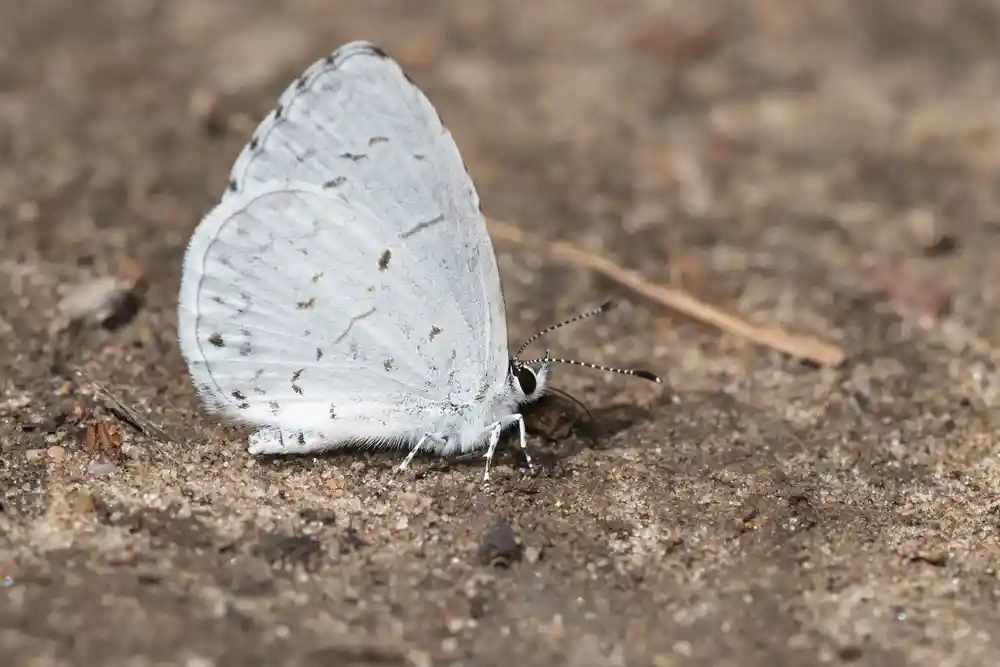 Celastrina neglectaSummer Azure (Celastrina neglecta)A pale, frosted blue butterfly barely an inch across, the summer azure is the one that flies when the spring azures have finished.
Show all 41 other gossamer-winged species names
- Acadian Hairstreak (Satyrium acadica)
- Arctic Blue (Agriades glandon)
- Arrowhead Blue (Glaucopsyche piasus)
- Banded Hairstreak (Satyrium calanus)
- Behr's Hairstreak (Satyrium behrii)
- Blue Copper (Lycaena heteronea)
- Boisduval's Blue (Plebeius icarioides)
- Bronze Copper (Lycaena hyllus)
- Brown Elfin (Callophrys augustinus)
- California Hairstreak (Satyrium californica)
- Colorado Hairstreak (Hypaurotis crysalus)
- Coral Hairstreak (Satyrium titus)
- Edith's Copper (Lycaena editha)
- Gray Copper (Lycaena dione)
- Greenish Blue (Plebeius saepiolus)
- Hedgerow Hairstreak (Satyrium saepium)
- Hoary Elfin (Callophrys polios)
- Lilac-bordered Copper (Lycaena nivalis)
- Lupine Blue (Plebeius lupini)
- Lustrous Copper (Lycaena cupreus)
- Marine Blue (Leptotes marina)
- Mariposa Copper (Lycaena mariposa)
- Melissa Blue (Lycaeides melissa)
- Moss' Elfin (Callophrys mossii)
- Northern Blue (Lycaeides idas)
- Purplish Copper (Lycaena helloides)
- Reakirt's Blue (Hemiargus isola)
- Rita Dotted-Blue (Euphilotes rita)
- Rocky Mountain Dotted-Blue (Euphilotes ancilla)
- Ruddy Copper (Lycaena rubidus)
- Shasta Blue (Plebeius shasta)
- Sheridan's Green Hairstreak (Callophrys sheridani)
- Sooty Hairstreak (Satyrium fuliginosum)
- Striped Hairstreak (Satyrium liparops)
- Sylvan Hairstreak (Satyrium sylvinus)
- Tailed Copper (Lycaena arota)
- Thicket Hairstreak (Callophrys spinetorum)
- Western Green Hairstreak (Callophrys affinis)
- Western Pine Elfin (Callophrys eryphon)
- Western Pygmy-Blue (Brephidium exile)
- Western Tailed-Blue (Everes amyntula)
Whites and Sulphurs (Pieridae)
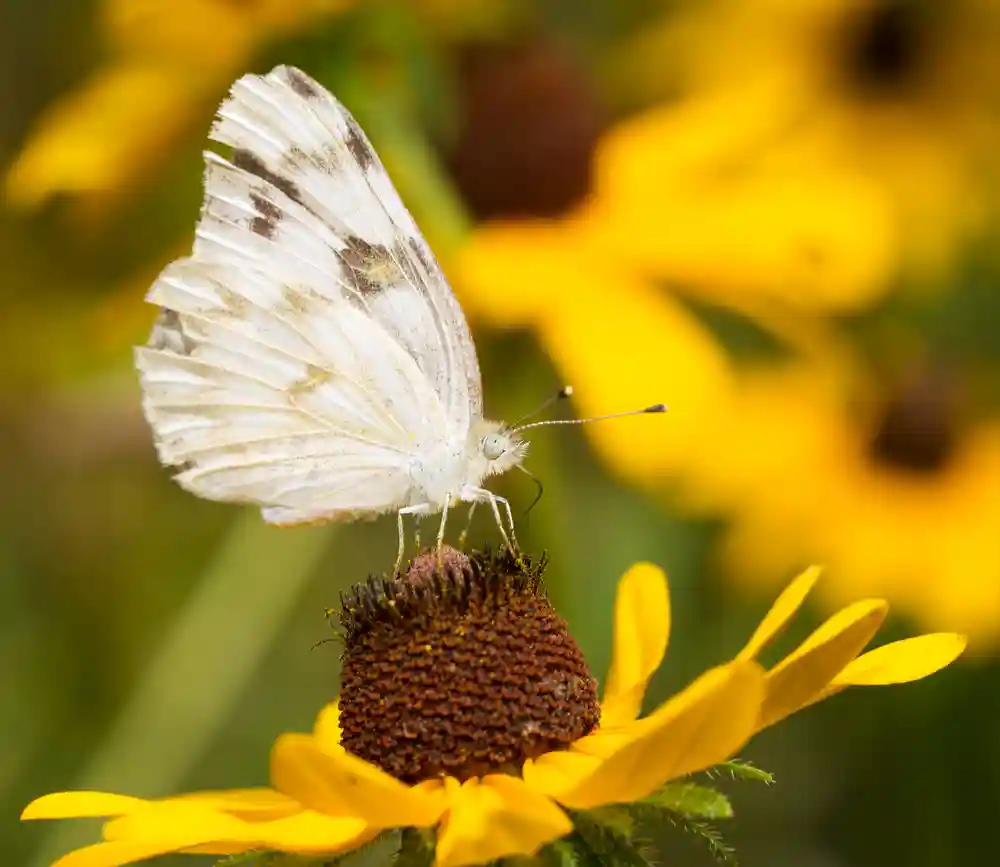 Pontia protodiceCheckered White (Pontia protodice)The checkered white is a medium-sized white butterfly of dry, open, disturbed ground across the United States and northern Mexico, recognised by the g
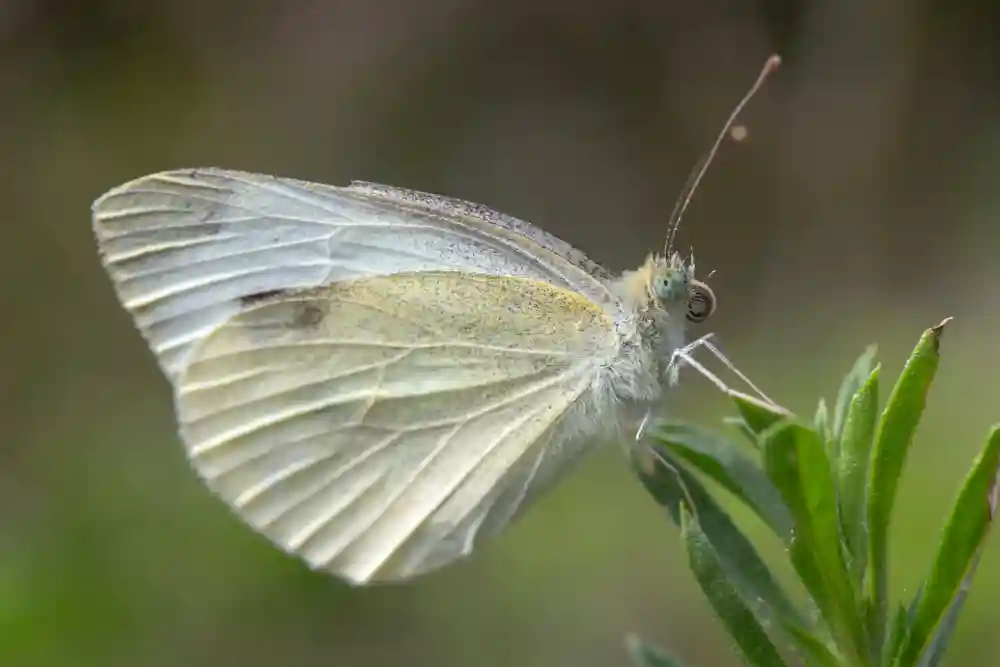 Pieris rapaeCabbage White (Pieris rapae)The cabbage white is probably the most-seen butterfly on the planet: a small, chalk-white insect with one or two black spots that drifts over allotmen
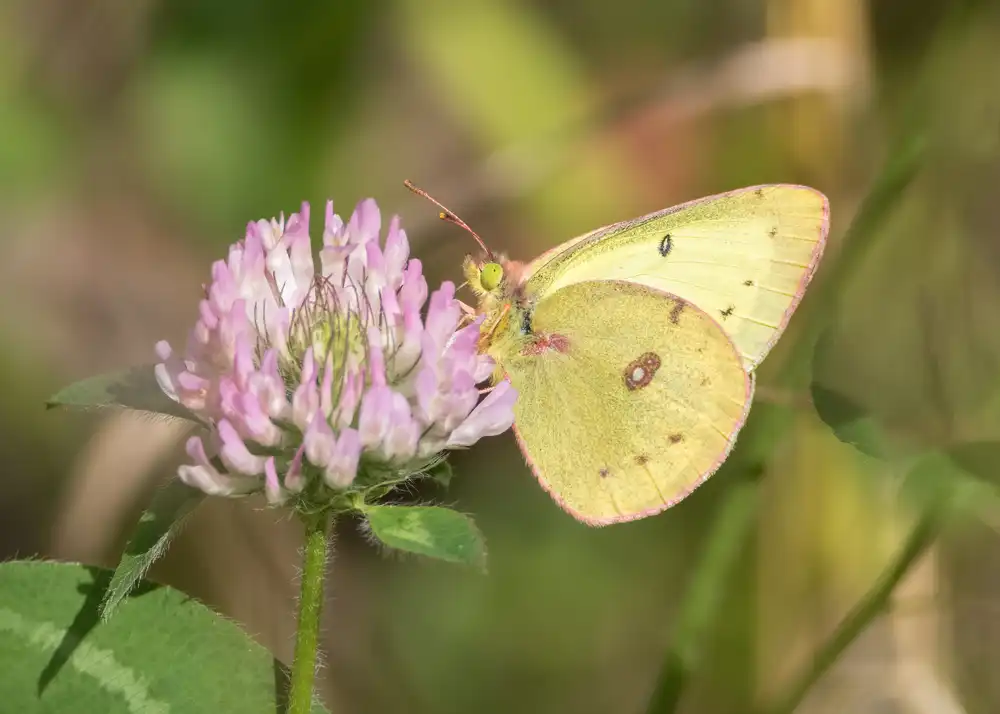 Colias philodiceClouded Sulphur (Colias philodice)The clouded sulphur is the plain yellow butterfly of North American roadsides, clover lawns and alfalfa fields, common from Alaska to the Gulf.
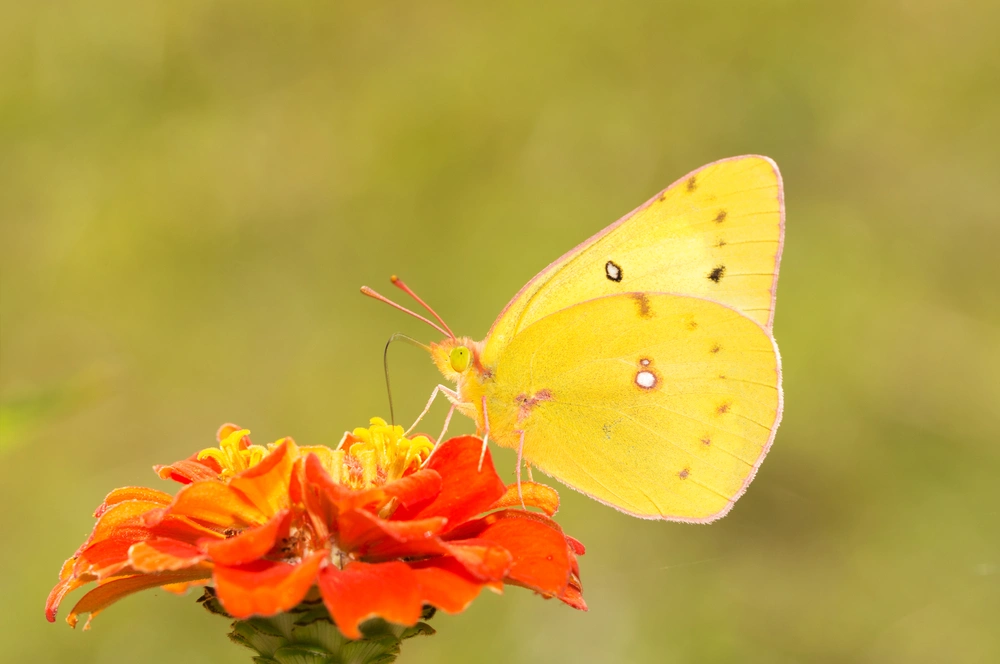 Colias eurythemeOrange Sulphur (Colias eurytheme)The orange sulphur is a medium-sized orange-and-black butterfly of open fields, roadsides and alfalfa farms across almost the whole of North America,
 Phoebis sennaeCloudless Sulphur (Phoebis sennae)The cloudless sulphur is a large, fast-flying lemon-yellow butterfly of the Americas, resident from Argentina north through the tropics to the souther
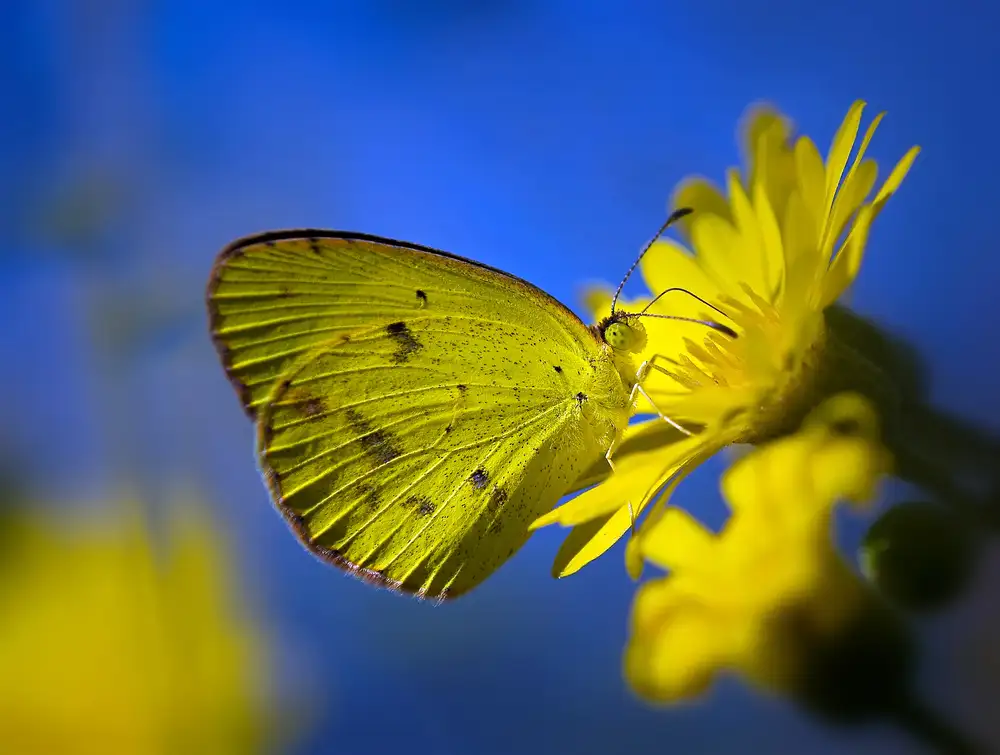 Eurema lisaLittle Yellow (Eurema lisa)A thumbnail-sized sulphur that flutters low over roadsides and fallow fields, the little yellow is one of the most numerous butterflies in eastern Nor
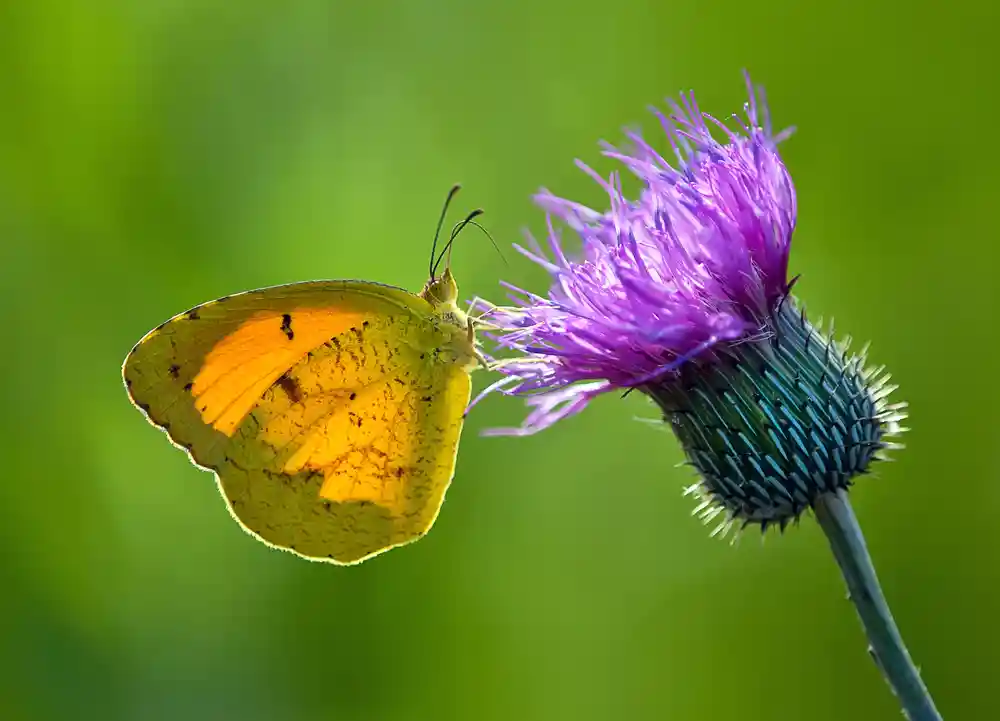 Eurema nicippeSleepy Orange (Eurema nicippe)The sleepy orange is a small, deep-orange sulphur of the southern United States, Mexico and Central America, easily known by the ragged black border t
Show all 22 other whites and sulphurs species names
- Pine White (Neophasia menapia)
- Becker's White (Pontia beckerii)
- Spring White (Pontia sisymbrii)
- Western White (Pontia occidentalis)
- Margined White (Pieris marginalis)
- Large Marble (Euchloe ausonides)
- Northern Marble (Euchloe creusa)
- Desert Marble (Euchloe lotta)
- Olympia Marble (Euchloe olympia)
- Stella Orangetip (Anthocharis stella)
- Southern Rocky Mountain Orangetip (Anthocharis julia)
- Southwestern Orangetip (Anthocharis thoosa)
- Christina Sulphur (Colias christina)
- Queen Alexandra's Sulphur (Colias alexandra)
- Mead's Sulphur (Colias meadii)
- Scudder's Sulphur (Colias scudderi)
- Giant Sulphur (Colias gigantea)
- Pelidne Sulphur (Colias pelidne)
- Pink-edged Sulphur (Colias interior)
- Southern Dogface (Zerene cesonia)
- Mexican Yellow (Eurema mexicana)
- Dainty Sulphur (Nathalis iole)
Metalmark (Riodinidae)
- Mormon Metalmark (Apodemia mormo)
Swallowtail (Papilionidae)
 Papilio zelicaonAnise Swallowtail (Papilio zelicaon)The yellow-and-black swallowtail of the American West, and a butterfly that moved to town.
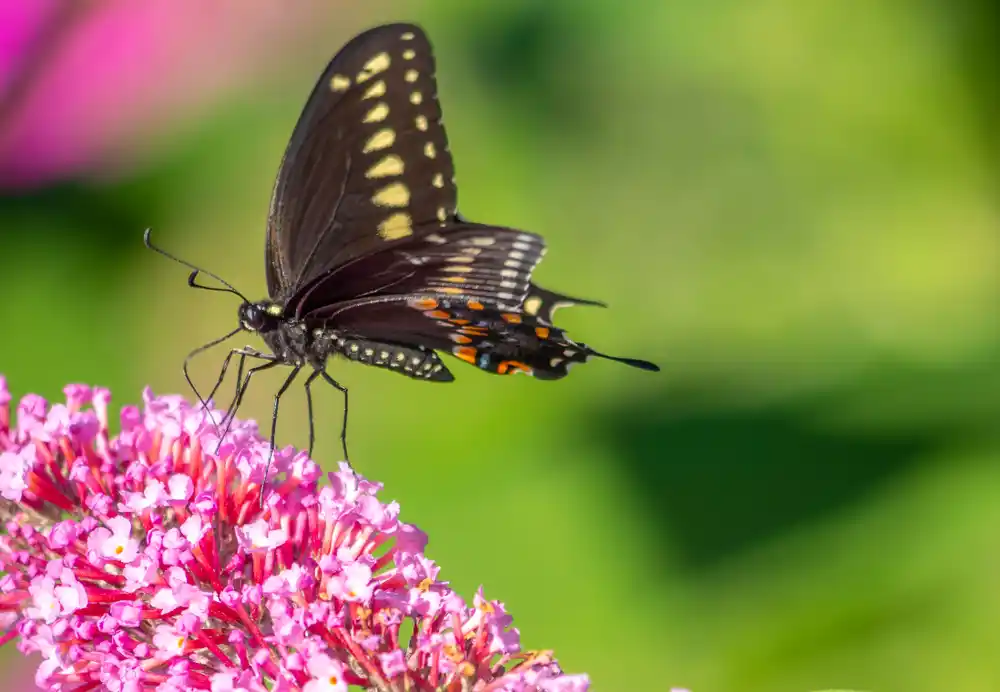 Papilio polyxenesBlack Swallowtail (Papilio polyxenes)The black swallowtail is a black, yellow-spotted butterfly of open country across most of North America, and its caterpillar is the familiar green-and
 Papilio canadensisCanadian Tiger Swallowtail (Papilio canadensis)The tiger swallowtail of the north woods, built for a short summer: one brood a year, a winter spent frozen inside a bark-colored chrysalis, and cater
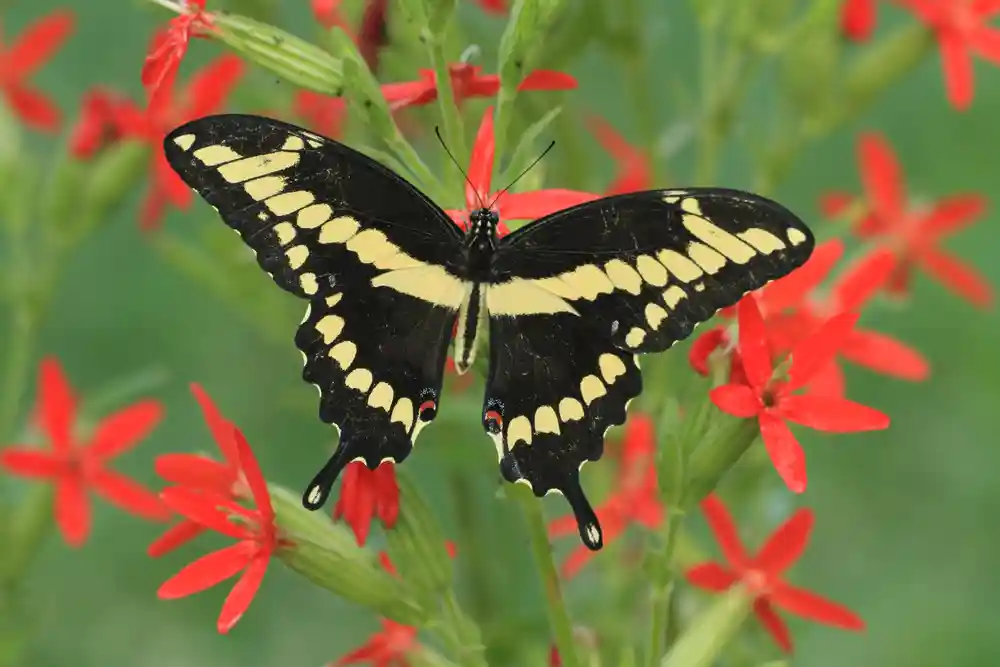 Papilio cresphontesGiant Swallowtail (Papilio cresphontes)The largest butterfly in the United States and Canada, the giant swallowtail sails over citrus groves and woodland edges on dark wings crossed by a ba
 Papilio machaonOld World Swallowtail (Papilio machaon)The Old World swallowtail is a large yellow-and-black butterfly with a tail on each hindwing and a red eyespot above it, found right across Europe, No
 Papilio eurymedonPale Swallowtail (Papilio eurymedon)The pale swallowtail (Papilio eurymedon) is a large tailed butterfly of western North America, flying from British Columbia south to Baja California aPapilio multicaudataTwo-tailed Swallowtail (Papilio multicaudata)The largest butterfly in most of the American West, the two-tailed swallowtail is a pale yellow tiger swallowtail with unusually thin black stripes an
 Papilio rutulusWestern Tiger Swallowtail (Papilio rutulus)The western tiger swallowtail is a large lemon-yellow butterfly with four black tiger stripes on each forewing and a single tail on each hindwing, and
- Clodius Parnassian (Parnassius clodius)
- Rocky Mountain Parnassian (Parnassius smintheus)
- Indra Swallowtail (Papilio indra)
Skipper (Hesperiidae)
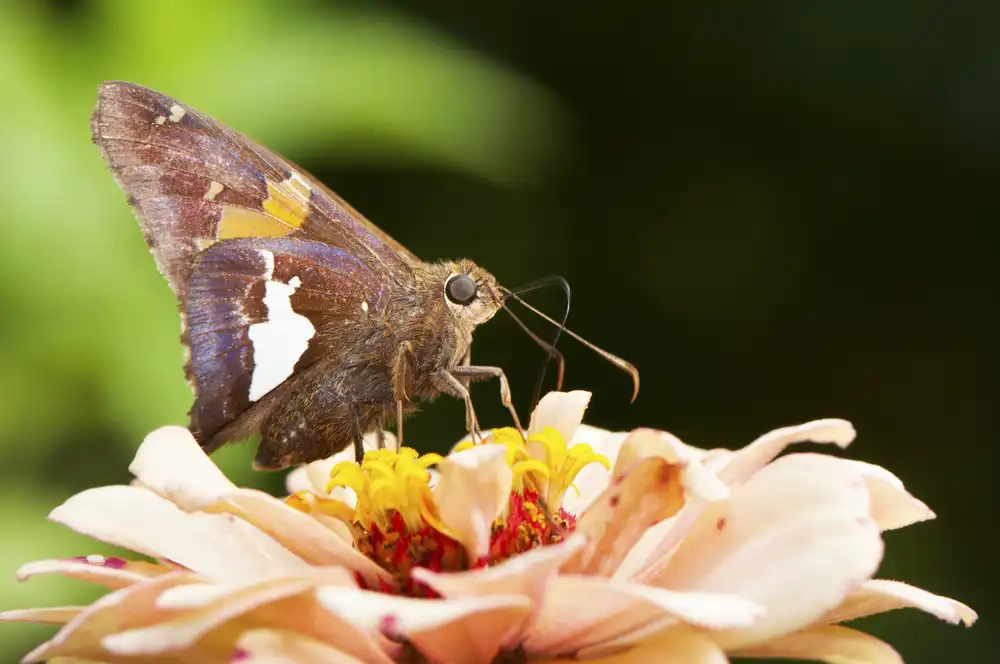 Epargyreus clarusSilver-spotted Skipper (Epargyreus clarus)The silver-spotted skipper is a large, chocolate-brown butterfly of gardens, field edges and woodland clearings across almost the whole of North Ameri
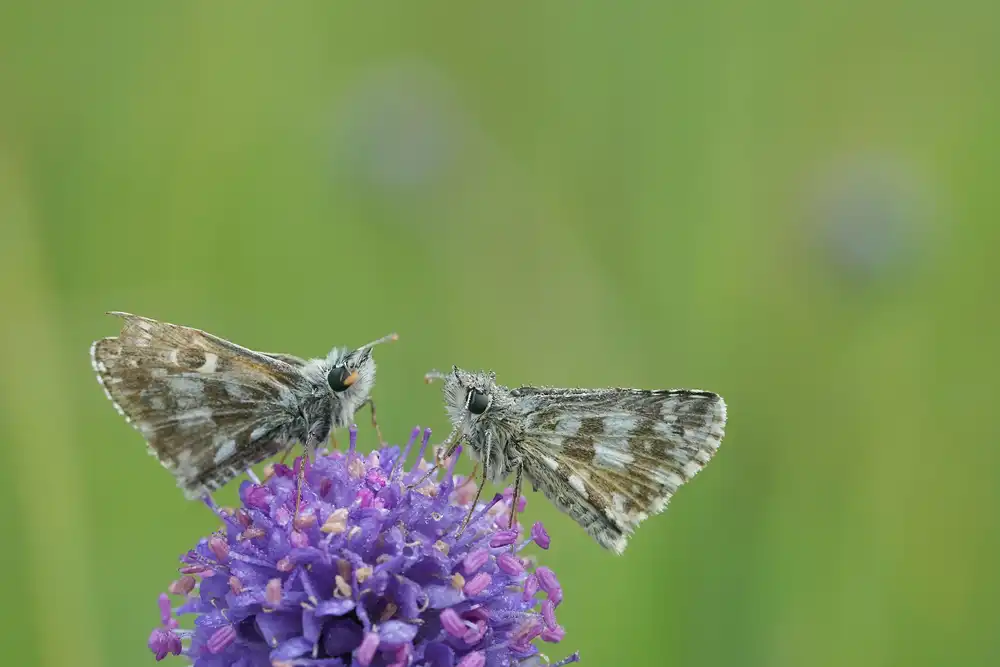 Pyrgus malvaeGrizzled Skipper (Pyrgus malvae)The grizzled skipper (Pyrgus malvae) is a very small black-and-white chequered butterfly of warm, sheltered grassland and woodland clearings across Eu
Show all 52 other skipper species names
- Northern Cloudywing (Thorybes pylades)
- Western Cloudywing (Thorybes diversus)
- Mexican Cloudywing (Thorybes mexicana)
- Dreamy Duskywing (Erynnis icelus)
- Sleepy Duskywing (Erynnis brizo)
- Juvenal's Duskywing (Erynnis juvenalis)
- Rocky Mountain Duskywing (Erynnis telemachus)
- Mottled Duskywing (Erynnis martialis)
- Pacuvius Duskywing (Erynnis pacuvius)
- Afranius Duskywing (Erynnis afranius)
- Persius Duskywing (Erynnis persius)
- Two-banded Checkered-Skipper (Pyrgus ruralis)
- Small Checkered-Skipper (Pyrgus scriptura)
- Common Checkered-Skipper (Pyrgus communis)
- Northern White-Skipper (Heliopetes ericetorum)
- Common Sootywing (Pholisora catullus)
- Mohave Sootywing (Hesperopsis libya)
- Arctic Skipper (Carterocephalus palaemon)
- Russet Skipperling (Piruna pirus)
- Garita Skipperling (Oarisma garita)
- European Skipper (Thymelicus lineola)
- Uncas Skipper (Hesperia uncas)
- Juba Skipper (Hesperia juba)
- Western Branded Skipper (Hesperia colorado)
- Ottoe Skipper (Hesperia ottoe)
- Leonard's Skipper (Hesperia leonardus)
- Pahaska Skipper (Hesperia pahaska)
- Green Skipper (Hesperia viridis)
- Nevada Skipper (Hesperia nevada)
- Peck's Skipper (Polites peckius)
- Rhesus Skipper (Polites rhesus)
- Sandhill Skipper (Polites sabuleti)
- Draco Skipper (Polites draco)
- Tawny-edged Skipper (Polites themistocles)
- Crossline Skipper (Polites origenes)
- Long Dash (Polites mystic)
- Sonora Skipper (Polites sonora)
- Sachem (Atalopedes campestris)
- Arogos Skipper (Atrytone arogos)
- Delaware Skipper (Anatrytone logan)
- Woodland Skipper (Ochlodes sylvanoides)
- Yuma Skipper (Ochlodes yuma)
- Snow's Skipper (Paratrytone snowi)
- Hobomok Skipper (Poanes hobomok)
- Taxiles Skipper (Poanes taxiles)
- Dun Skipper (Euphyes vestris)
- Dusted Skipper (Atrytonopsis hianna)
- Viereck's Skipper (Atrytonopsis vierecki)
- Simius Roadside-Skipper ("Amblyscirtes" simius)
- Oslar's Roadside-Skipper (Amblyscirtes oslari)
- Common Roadside-Skipper (Amblyscirtes vialis)
- Strecker's Giant-Skipper (Megathymus streckeri)
How to identify butterflies in Wyoming
Wyoming's confusing groups are the fritillaries, the sulphurs and the blues, and in each case the underside is the key. Fritillaries are told by the silver spots on the hindwing beneath and by habitat and altitude; sulphurs by the colour of the fringe and the shape of the underside spots; blues by the arrangement of the black dots. The Monarch and Viceroy pair is easier: the Viceroy is smaller and carries a black line curving across the hindwing.
Overwintering tortoiseshells and anglewings look ragged by spring, and California Tortoiseshells in an irruption year can be mistaken for Milbert's or for the Compton Tortoiseshell; Milbert's has a broad orange-yellow band, the Compton has white spots on the forewing. The same mountain and plains species continue into Montana and Colorado, and the whole country is covered under Butterflies in USA.
Frequently asked questions about Wyoming butterflies
How many butterfly species are found in Wyoming?
More than 200 butterfly species have been recorded in Wyoming, one of the larger state totals in the northern Rockies. The list is rich in fritillaries, checkerspots, blues, coppers and sulphurs because the state spans shortgrass prairie, sagebrush steppe, mountain forest and alpine tundra, each with its own butterflies.
What is the official state butterfly of Wyoming?
Sheridan's Green Hairstreak (Callophrys sheridanii) has been the Wyoming state butterfly since 2009. It is a small butterfly, grey-brown above and green below with a fine white line, that flies in early spring on sagebrush foothills and rocky slopes where its caterpillars feed on wild buckwheat. It was named from Sheridan County.
Are Monarch butterflies found in Wyoming?
Yes, Monarchs breed in Wyoming every summer, mainly on showy milkweed along rivers, irrigation ditches and roadsides in the eastern and central basins. They arrive in June, raise one or two generations, and the last brood leaves by late September to migrate to central Mexico. Numbers are modest compared with the Midwest.
Where are the best places to see butterflies in Wyoming?
Yellowstone and Grand Teton national parks, the Bighorn Mountains, the Snowy Range near Laramie and the Black Hills around Devils Tower are the top areas. Within them, wet meadows, willow bottoms and damp gravel pull-outs in July hold the most species. Cheyenne Botanic Gardens is the easiest urban site for Monarchs and swallowtails.
Why does Wyoming have so many different butterfly species?
Elevation and geography. Wyoming rises from about 950 metres on the plains to over 4,000 metres in the Wind River Range, so prairie, sagebrush, foothill, forest and alpine butterflies all live in one state. It also sits where eastern, western and boreal faunas overlap, adding species from each at the edges of their ranges.
How can you identify a Mourning Cloak butterfly in Wyoming?
Look for a large dark butterfly with deep maroon-brown wings edged by a creamy yellow border and a row of blue spots just inside it. Mourning Cloaks overwinter as adults, so they are often the first butterflies seen in March, flying along creek bottoms and aspen groves before any flowers open.
What is the difference between a Viceroy and a Monarch in Wyoming?
The Viceroy is smaller, with a wingspan around 70 millimetres against the Monarch's 90 to 100, and it has a thin black line curving across the hindwing that the Monarch lacks. Viceroys stay close to willows along plains rivers, while Monarchs are found wherever milkweed grows and are strong, gliding fliers.
When is the best time to see butterflies in Wyoming?
Late June to early August is the peak below the tree line, with July the single best month for fritillaries, blues and sulphurs. Alpine species fly from mid-July into August. The earliest butterflies, Mourning Cloaks and Milbert's Tortoiseshells, appear in March, and the season ends with the first hard frosts in late September.
Which butterflies are rare or threatened in Wyoming?
The Regal Fritillary, restricted to a few eastern prairie remnants, and the Monarch are both under review for federal listing. Grassland skippers such as the Ottoe Skipper are state species of concern, and alpine specialists like Mead's Sulphur and the Relict Fritillary of the Yellowstone region are vulnerable to a warming climate.
What is the largest butterfly in Wyoming?
The Two-tailed Swallowtail is the largest, with a wingspan that can reach about 130 millimetres. It is yellow with black tiger stripes and two tails on each hindwing, and it flies along creeks and canyons where chokecherry and ash grow. The Western Tiger Swallowtail is similar but smaller, with a single tail.
Published January 8, 2020 · Last updated September 21, 2026