

Why are Butterflies So Colorful

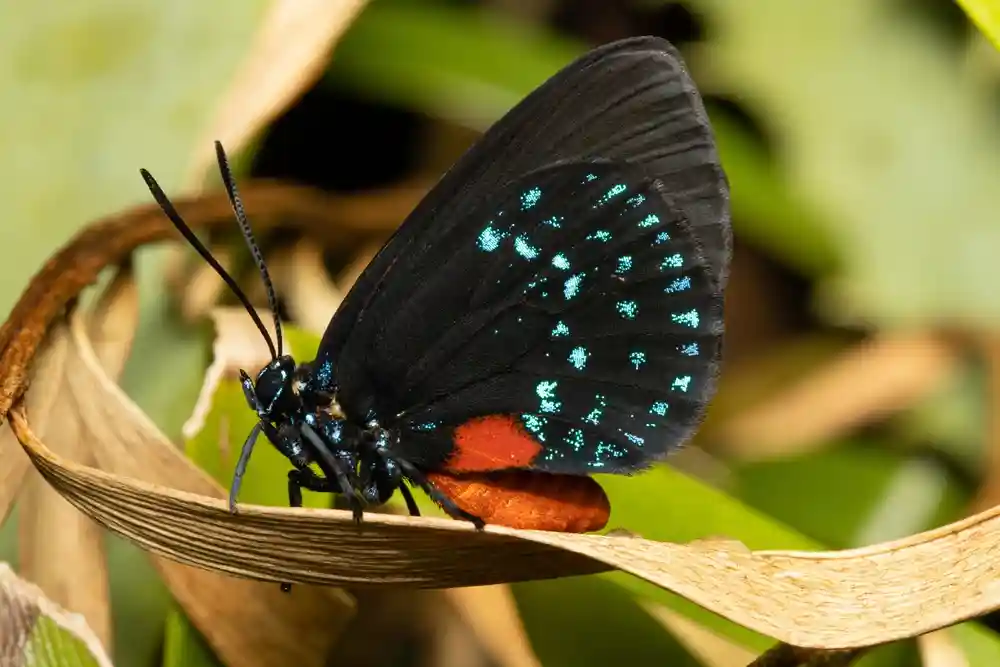
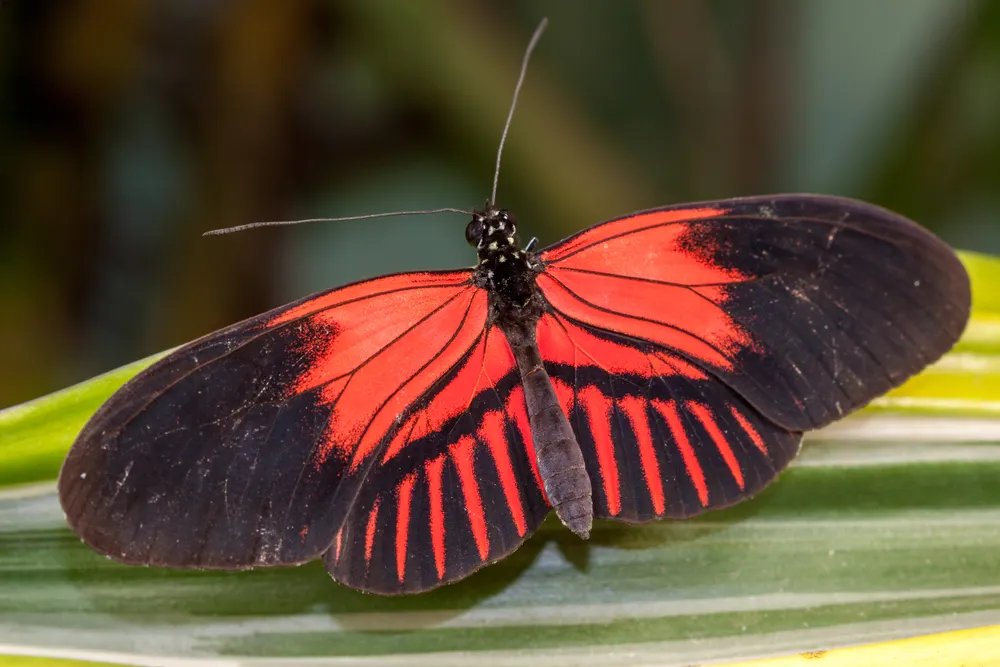
Butterflies are one of the most colorful and vibrant insects found in nature. As they fly, the vivid colors on their wings give off a shining appearance that looks fascinating to the observers. Butterflies use their intense colors for attracting mates, or as a camouflage and warning signal.

Why do Most Butterflies have Such Intense Colors

Butterflies have two types of colors, including the structural color and pigmented or ordinary color, which come from two different sources.

The first is the structural color that comes from a specific structure of their wings created by the multiple layers of scales that cover the wings. It is because of this structure, the structural color shimmers and shifts when an observer moves. This light effect is called iridescence.

The other color type is the pigmented color produced by ordinary chemical pigments, which can absorb specific wavelengths of light while reflecting the others. The colors you see are the wavelengths of light that are reflected.

Interesting Facts

  • The diet of caterpillars affects the color of the chrysalis. It is because the chemicals present in flowers, seeds, and leaves influence the color of butterfly chrysalis.
  • Adult Monarch butterflies have a distinctive orange color and pattern, which serves as a warning signal to predators that it is toxic or distasteful.
Frequently Asked Questions

icon

Butterfly wings are vibrant for survival and reproduction purposes. Their intense colors are used to attract potential mates, provide camouflage to hide from predators, or act as a clear warning signal to other animals that the butterfly is toxic or distasteful to eat, ensuring the species’ continuation.

icon

Shimmering colors on butterfly wings are created by structural coloration. The wings are covered in multiple layers of microscopic scales that bend and scatter light waves, a phenomenon called iridescence. This physical structure, not pigment, causes the colors to shift and change depending on the viewing angle.

icon

The primary difference lies in their origin. Pigmented color comes from chemical compounds that absorb certain light wavelengths and reflect others, creating a static color. Structural color originates from the physical micro-structure of the wing scales, which scatters light to create shimmering, iridescent effects that can change.

icon

The two main types of coloration are pigmented and structural. Pigmented color is produced by chemical pigments in the wing scales that absorb and reflect specific wavelengths of light. Structural color is created by the physical arrangement of scales that scatter light, often resulting in an iridescent appearance.

icon

The Monarch butterfly’s bright orange color serves as a distinct warning signal to predators. This coloration indicates that the butterfly is toxic or tastes bad due to the chemicals it ingests as a caterpillar from milkweed plants. Predators learn to associate the bright color with an unpleasant experience.

icon

A caterpillar’s diet directly influences the color of its chrysalis, or pupa. The chemical compounds present in the specific flowers, seeds, and leaves consumed by the caterpillar are absorbed and can determine the pigmentation of the chrysalis, affecting its ability to camouflage itself during this vulnerable stage.

icon

The purpose of iridescence is primarily for communication and defense. The shimmering, shifting colors created by the wing’s structure can help attract and signal mates from a distance. It can also confuse potential predators by creating a flashing effect as the butterfly flies, making it harder to track.