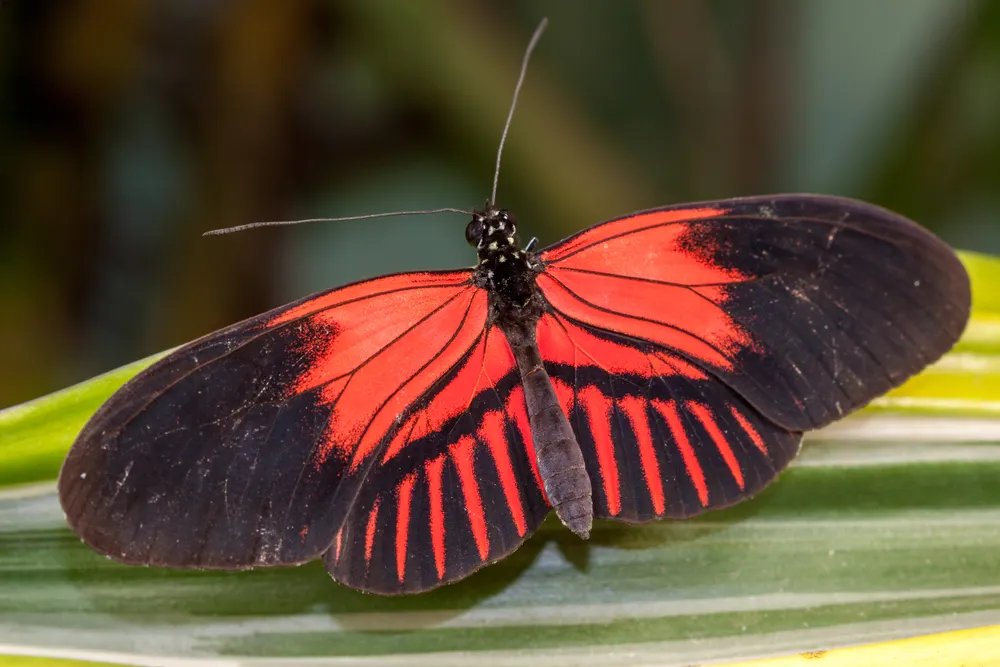

Butterflies, being oviparous insects, lay eggs either one at a time or in clusters. After the adult female butterfly mates with a male, it stores the sperm in a sac and may go a long distance in search of a plant on which it can lay its eggs. Butterflies typically lay about 100-300 eggs, but some species can lay more than a thousand eggs.
Do Butterflies Lay Eggs
What do Butterfly Eggs look like
The eggs of a butterfly can vary in size depending on the species, having a diameter between 1 and 3 mm. They are typically round, oval, or pod-shaped, with a smooth texture and green, white, yellow, or any other color. The black swallowtail butterfly, for example, lays pale-green, smooth, globe-shaped eggs while the zebra longwing butterfly produces eggs similar to tiny corncobs. The eggs are characterized by a tough shell that has raised ribs and the small funnel-shaped opening, known as micropile, which allows the passage of air and water.
When and Where do Butterflies lay Their Eggs
Butterflies usually lay eggs in spring and summer, but it can vary depending on the species. The eggs are laid in a safe and secure location, generally on the underside of a leaf or at someplace near the host plant. Aside from the leaves, a butterfly may lay eggs in the crevices of tree bark or flower heads. It secretes a glue-like chemical for attaching the eggs to the leaf.
How long do Butterfly Eggs take to Develop
Each egg consists of a yolk that provides nourishment to the developing larva. An egg may take 3-8 days to hatch but may vary depending on the environmental conditions. A change in color is observed before the eggs hatch.
Interesting Facts
Monarch butterflies lay their eggs on the underside of milkweed plant leaves.
Ghost moths lay their eggs while flying because their larvae usually eat grass.
A female butterfly dies after it has laid all of the eggs.
Butterfly eggs vary in appearance but are typically round, oval, or pod-shaped with a diameter between 1-3 mm. Their tough outer shell often features raised ribs and can be white, yellow, or green. For example, Black Swallowtail eggs are smooth globes, while others may resemble tiny corncobs.
A butterfly egg typically takes between three to eight days to hatch into a larva, or caterpillar. This incubation period can vary depending on the specific butterfly species and environmental conditions like temperature. A noticeable change in the egg’s color often signals that it is about to hatch.
Butterflies lay their eggs in safe, secure locations, most commonly on the underside of a host plant’s leaves. They use a special glue-like secretion to attach the eggs firmly. Some species may also deposit their eggs in the crevices of tree bark or directly onto flower heads.
Most butterfly species lay their eggs during the spring and summer months when weather is favorable and host plants are abundant. The exact timing can vary based on the specific species and the regional climate, ensuring that emerging caterpillars have an immediate and plentiful food supply for their development.
A female butterfly typically lays between 100 and 300 eggs, often in clusters or one at a time. However, this number can vary greatly by species, with some being capable of laying more than a thousand eggs to maximize the chances of their offspring surviving to adulthood.
Butterflies lay eggs on the underside of leaves primarily for protection from predators and harsh environmental conditions. This concealed placement helps shield the vulnerable eggs from birds, insects, direct sunlight, and heavy rain. It also ensures the newly hatched caterpillar has immediate access to its first food source.
No, butterfly eggs are not all the same, as their shape and color vary significantly between species. They can be round, oval, or pod-shaped and come in colors like pale green, white, or yellow. This diversity reflects the different survival strategies and host plant relationships of each butterfly.
If you are really interested in butterflies, please subscribe to our newsletter to get the latest updates about all the different species, right in your inbox.