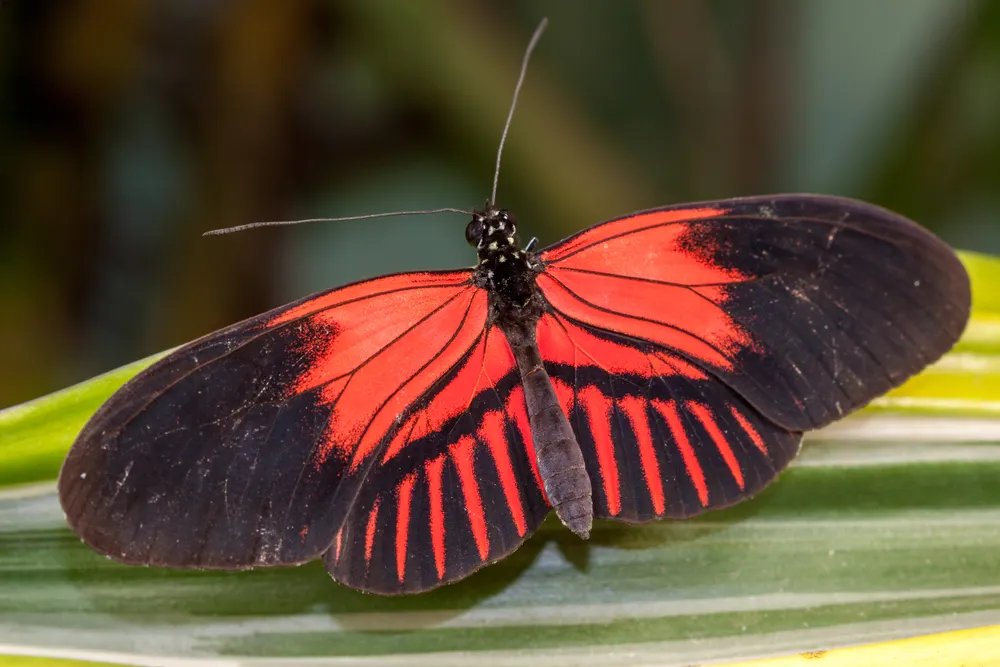

The lifespan
of a butterfly varies greatly depending on the species, its size, habitat, and
the time of the year it matures into an adult. Although the size of a butterfly
is not the only factor that determines how long it will survive, it plays an
important role because the larger species tend to live longer than the smaller
ones. The average life expectancy of a butterfly is typically about three to
four weeks, with the smallest species having a lifespan of only about a week.
Some species, including the Mourning Cloak, Anglewings, and Tortoiseshells,
hatching during the early summer months may live for a year or so.
What is the Average Lifespan of some common Butterfly Species
Overwintering
and migratory species, such as the Mourning Cloak and Monarch, are usually
long-lived as compared to some of the native species.
Interesting Facts
- Entomologists
can figure out the age of an adult butterfly by marking it and then sighting or
recapturing it later.
- The
shortest-living butterfly species are the Small Blues and Coppers, which have a
lifespan of only a few days.
Frequently Asked Questions
The average lifespan of a butterfly is typically about three to four weeks. This duration can vary greatly depending on the species, its size, and environmental factors. Some of the smallest species may only live for about a week, while certain overwintering species can survive for many months.
The butterfly species with the shortest lifespans are the Small Blues and Coppers. These small butterflies often live for only a few days in their adult form. Their brief existence is a significant contrast to larger or migratory species that can survive for much longer periods under favorable conditions.
Yes, some butterfly species can live for up to a year. Species that overwinter as adults, such as the Mourning Cloak, Tortoiseshells, and the Painted Lady, have lifespans that can reach 12 months. This allows them to survive winter and reproduce in the spring.
Monarch butterflies have different lifespans depending on their generation and migratory pattern. Non-migratory Monarchs live for about one to two months. The migratory generation, however, can live for six to eight months to survive the long journey south, overwinter, and then begin the journey north again.
Yes, the size of a butterfly plays an important role in how long it lives, as larger species tend to have longer lifespans than smaller ones. While size is a significant factor, it is not the only one; species, habitat, and time of year also heavily influence survival duration.
Scientists determine the age of an adult butterfly in the wild through a mark-and-recapture method. Entomologists carefully mark an individual butterfly and release it. By sighting or recapturing that same butterfly at a later date, they can calculate its minimum age and gather data on its lifespan.
Yes, migratory and overwintering butterfly species are generally longer-lived compared to many native, non-migratory species. For example, the migratory Monarch can live up to eight months, and the Mourning Cloak can live for a year, while many smaller, local species only survive for a few weeks.