
Butterfly Habitat

Where do Butterflies live

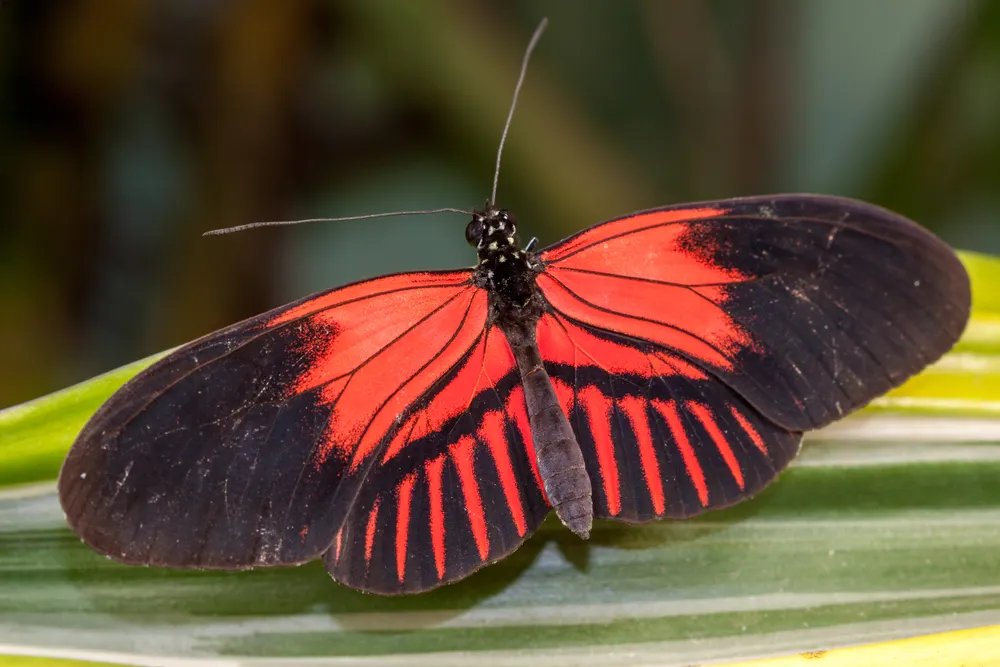
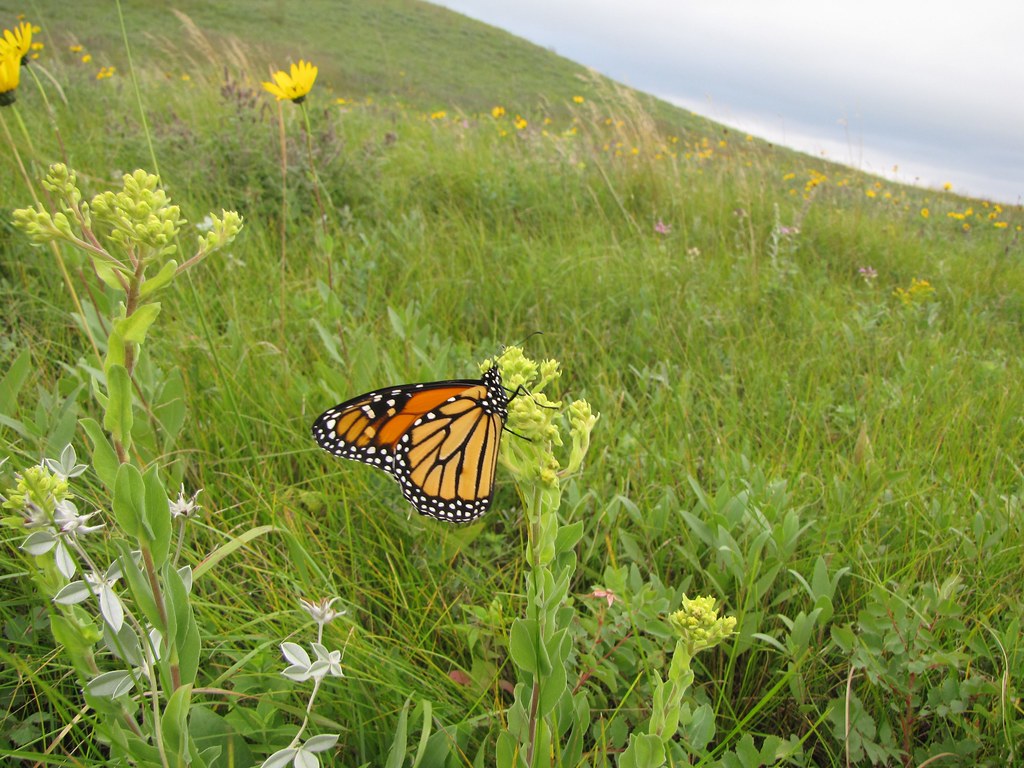
Butterflies are found everywhere on Earth except Antarctica. The diverse natural habitats that sustain different butterfly species include mangrove forests, salt marshes, wetlands, lowlands, grasslands, dunes, and mountain zones. Bare ground and rock surfaces host lichens that are eaten by butterfly larvae. There are some species, such as the Elada checkerspot and Empress leilia, that can even survive in harsh deserts.
Butterfly Habitat
Butterfly Habitat

Where do Butterflies Sleep at Night

Butterflies do not sleep, but they rest at night with their eyes open. While moths remain active at night, butterflies usually hide themselves amid the foliage. They crawl deep into rock crevices or between the blades of grasses or hanging down from the underside of leaves and twigs.

Where do they go When it Rains

Butterflies take shelter when it rains because a wet and cold butterfly cannot fly. They need to keep their body temperature more than 55 degrees Fahrenheit to be able to fly. Therefore, they tend to hide under leaves, crawl down under rocks, or sit on bushes or grass stems with their wings held tightly.

Interesting Facts

  • The number of species in a particular habitat depends on the weather and availability of food sources.
  • Butterflies also remain inactive when it is cold and cloudy during the day.
Frequently Asked Questions

icon

Butterflies live in nearly every natural habitat on Earth except for Antarctica. Their diverse environments include mangrove forests, salt marshes, grasslands, mountain zones, and even deserts. The specific habitat depends on the species’ need for certain plants for their larvae and nectar sources for adult butterflies.

icon

Butterflies do not sleep but enter a resting state at night, remaining still with their eyes open. They seek shelter from predators and the elements by hiding in foliage, crawling into rock crevices, or hanging upside down from the underside of leaves and twigs until morning.

icon

Butterflies protect themselves from rain by finding immediate shelter to keep their wings dry. They will hide under leaves, crawl into rock crevices, or sit on grass stems with their wings held tightly together. Staying dry is crucial, as a wet butterfly cannot maintain the body temperature needed for flight.

icon

Yes, some specialized butterfly species can survive in harsh desert habitats. The Elada checkerspot and the Empress leilia are examples of butterflies adapted to arid conditions. Their survival depends on finding specific host plants and managing the extreme temperatures characteristic of desert environments.

icon

Butterflies cannot fly when it is cold because they need to maintain a body temperature above 55 degrees Fahrenheit for their flight muscles to function. As cold-blooded insects, they rely on external heat sources. Cold or cloudy weather prevents them from warming up, rendering them inactive.

icon

Butterflies are found on every continent in the world with the single exception of Antarctica. Their widespread distribution is due to their ability to adapt to a vast range of climates and ecosystems, from tropical lowlands and wetlands to temperate mountain zones, making them globally present.

icon

The number of butterfly species in a particular habitat is determined by the local weather and the availability of food sources. A stable climate combined with a high diversity of host plants for caterpillars and nectar-rich flowers for adults will support a greater variety and population of butterflies.