
Old World Swallowtail (Papilio machaon)
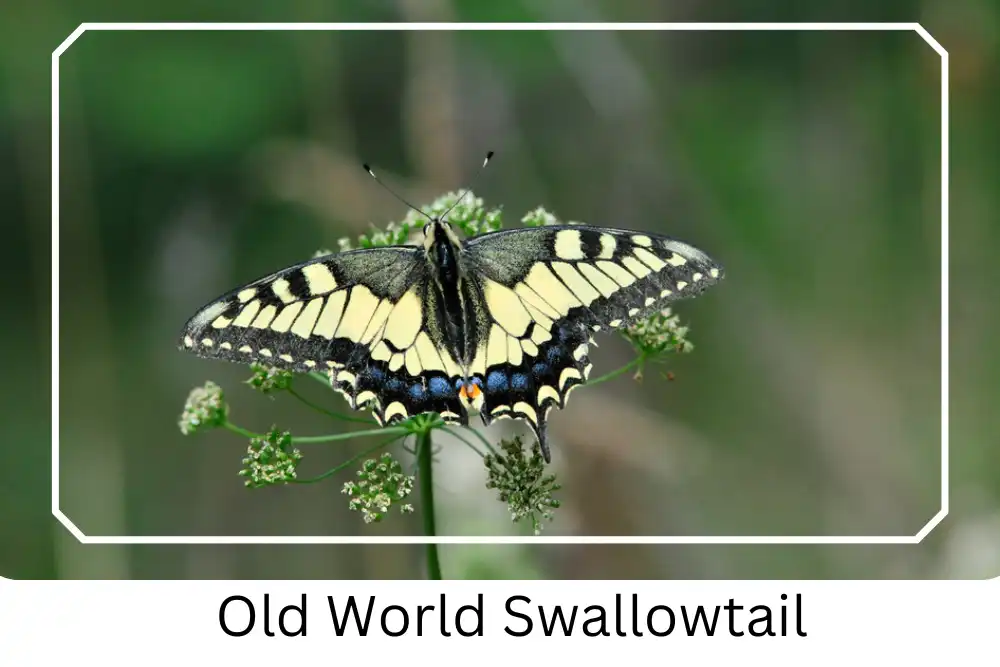
The Old World Swallowtail (Papilio machaon) is a strikingly vibrant, medium-sized butterfly species, flourishing across the vast Palearctic region. Comprising 37 recognized subspecies, this butterfly is an emblematic member of the swallowtail family, celebrated for its conspicuous coloration and widespread distribution.
Scientific Classification
- Family: Papilionidae
- Genus: Papilio
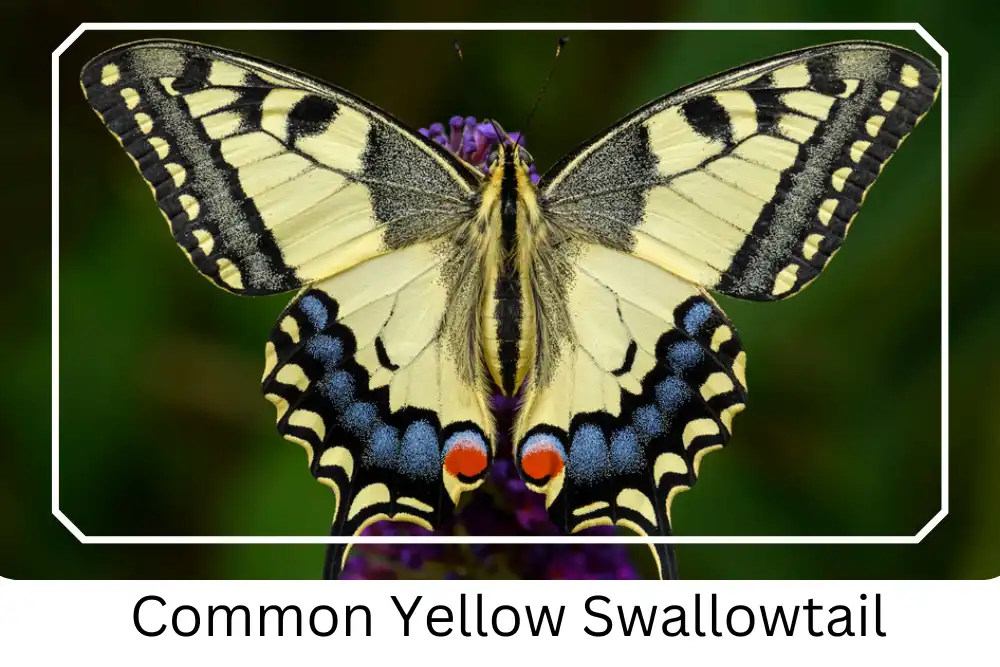
- Common names: Common yellow swallowtail
- Scientific Name: Papilio machaon
Overview
Despite its broad presence, the Old World Swallowtail has not been classified as a species of concern. Nonetheless, it is considered relatively rare or uncommon in certain locales. This butterfly exemplifies the beauty and complexity of the natural world, capturing the attention of both seasoned lepidopterists and casual observers alike.
Description and Identification
The morphological characteristics of the Old World Swallowtail throughout its life cycle are distinct and fascinating, providing key identification markers at various stages of its development.
 Caterpillar
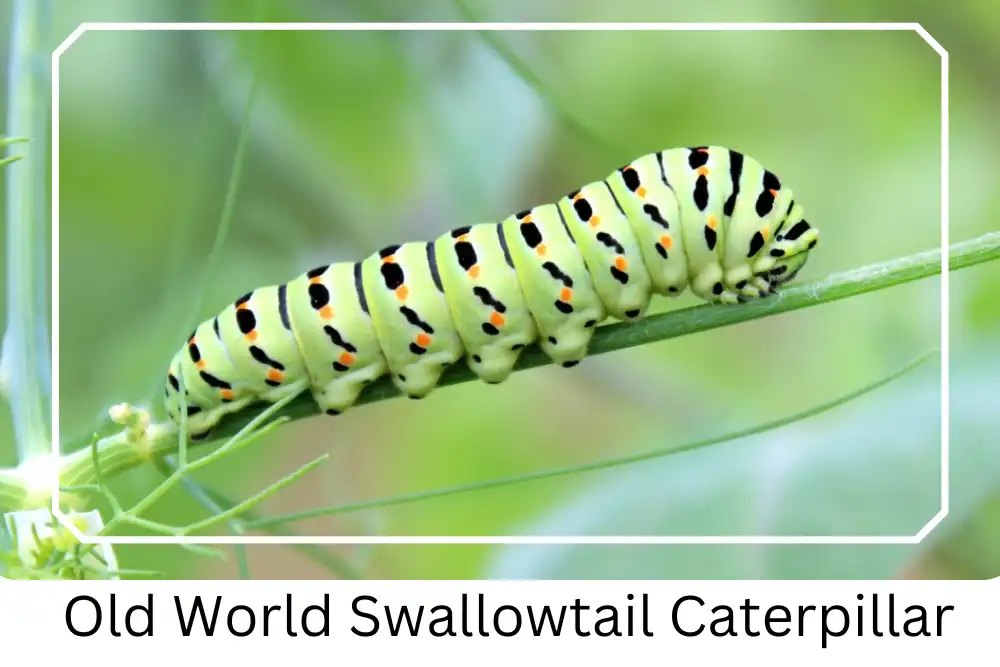
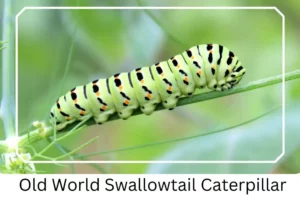
The mature larva showcases a soft green body, segmented and lined with black. Each segment is adorned with alternating dots of black and yellow, presenting a bright and eye-catching appearance.
 Pupa
Pupa
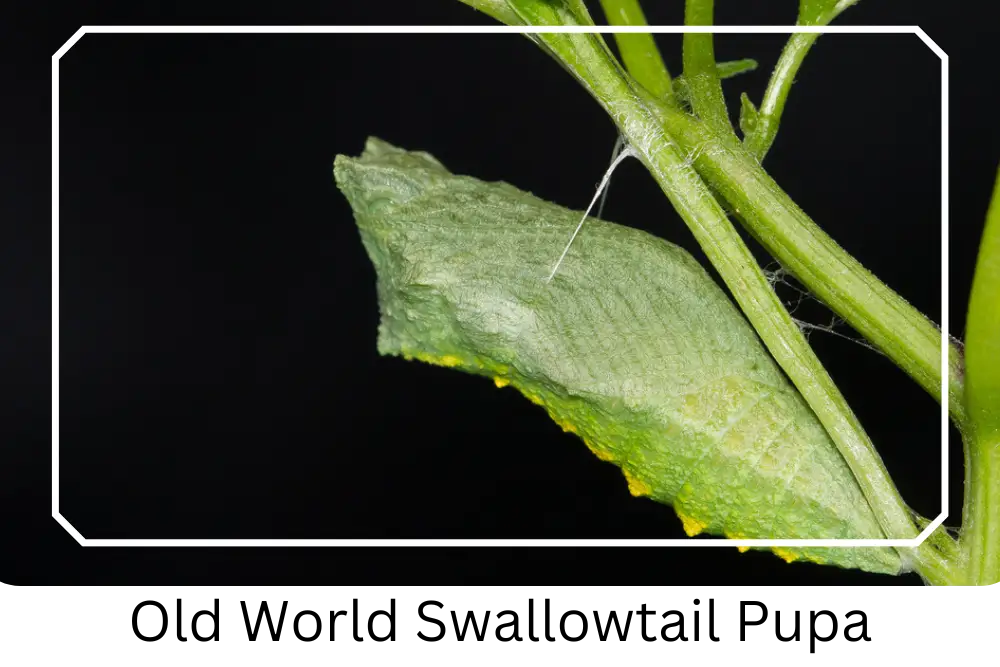
The chrysalis stage is characterized by a light brown and dark gray coloration, sprinkled with whitish marks and spots. This camouflage is effective in natural twig and branch environments, aiding in its survival during this vulnerable period.
Adult Butterfly
Sexual Dimorphism: Notably absent in this species, both males and females display similar physical attributes, making them indistinguishable based on external characteristics alone.
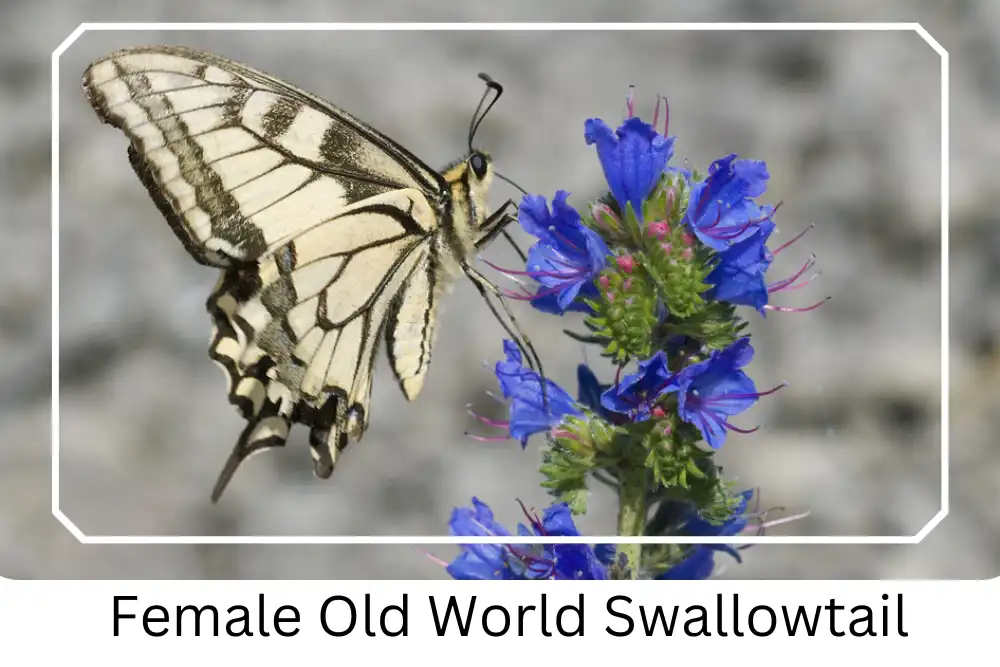
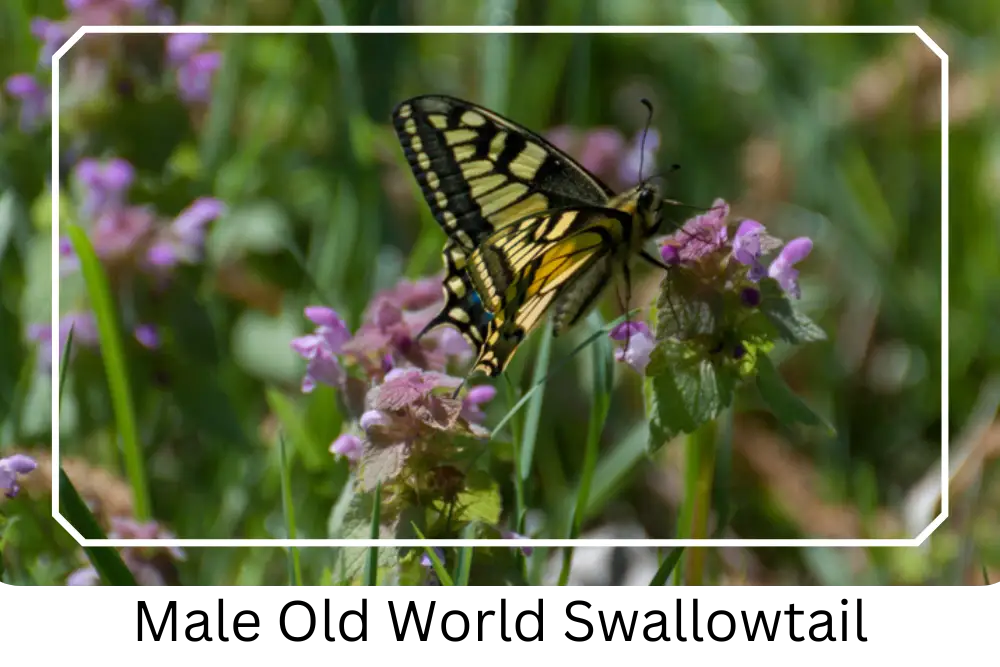
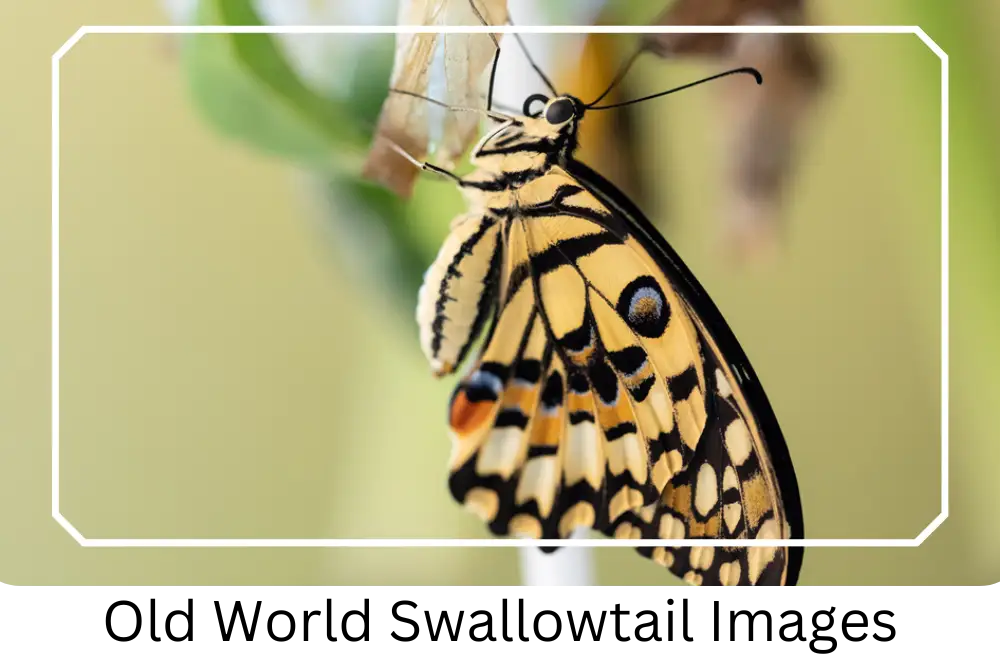
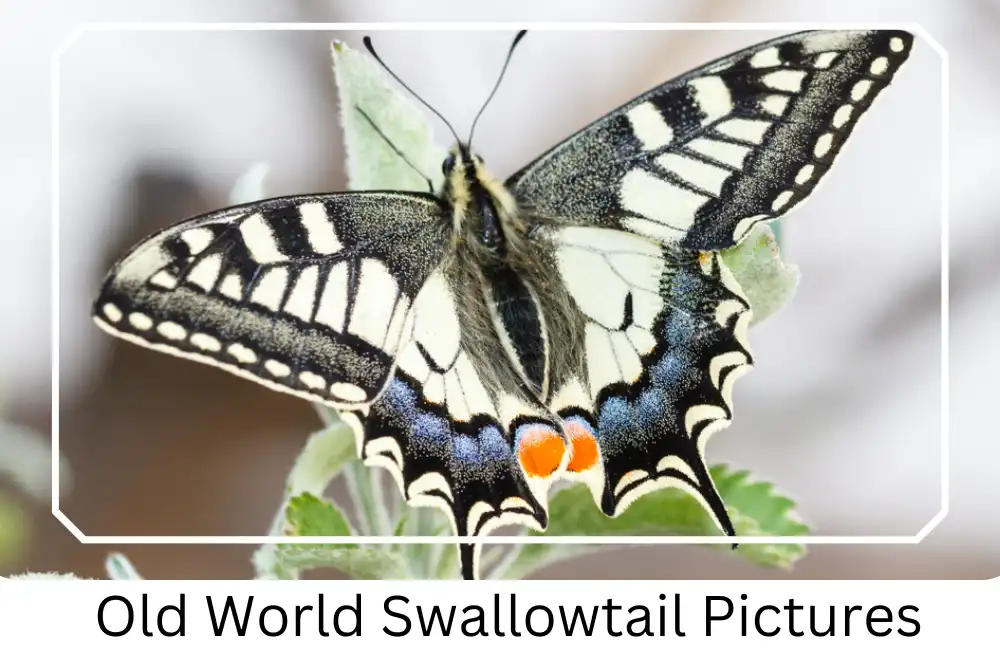
Color and Appearance: With wings unfolded, the dorsal side reveals a reddish-orange eyespot near the tail, edged with black along the lower border. The hindwings are accented with circular blue marks, while the forewings feature a white base with dark gray vein-like markings. When the wings are closed, the butterfly maintains a primarily white appearance, mirroring the pattern seen on the dorsal side. The ventral side also features two distinctive orange marks at the lower tips of the hindwings.
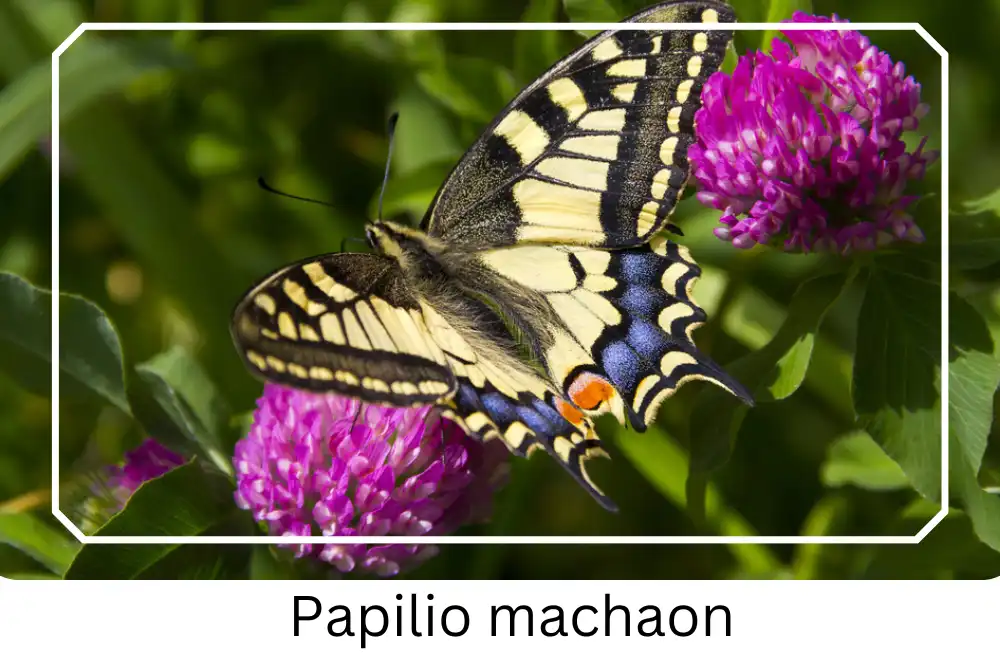 Average Wingspan: The wingspan of the Old World Swallowtail ranges from 2½ to 3 inches (6.5 – 7.5 cm), placing it among the larger butterfly species within its habitat.
Flight Pattern: The flight pattern of this butterfly is moderate, characterized by graceful and deliberate movements that enhance its survival and mating chances.
 Eggs
Eggs
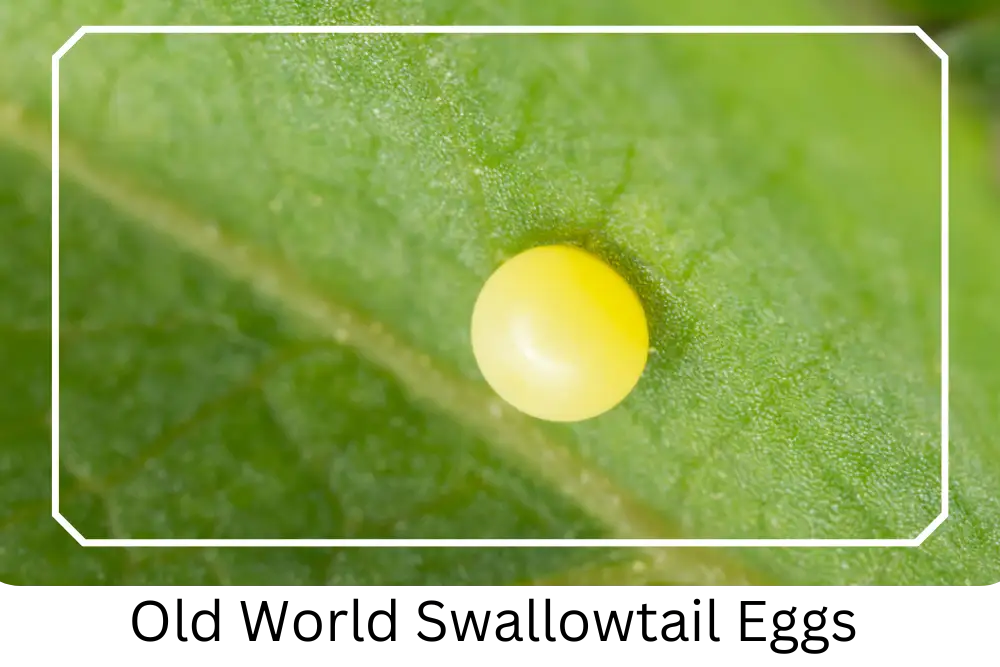
The eggs of the Old World Swallowtail are white to reddish-white, laid singly on the host plant, ensuring the next generation’s growth and development.
Quick Facts | |
| Distribution | Encompasses Russia to China, Japan, Taiwan, parts of India (including the Himalayas), and extends across Alaska, Canada, and the United States. |
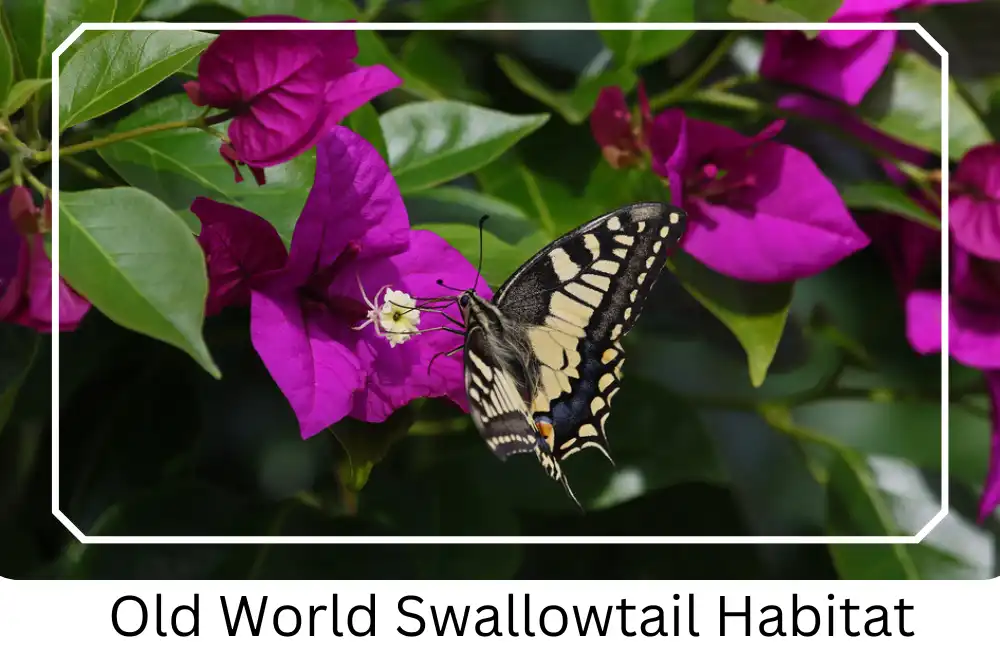
| Habitat | Prefers sunny open lands, forest edges, and gardens, where it can thrive and reproduce. |
| Lifespan of Adults | Varies significantly between subspecies, reflecting the adaptability and resilience of this butterfly. |
| Host Plants | Primarily relies on milk parsley (or marsh hog’s fennel) as its food plant during the larval stage. |
| Adult Diet | Feeds on the nectar of flowers, playing a role in the pollination process. |
How to Identify Old World Swallowtail?
Identifying the Old World Swallowtail can be an enriching experience for enthusiasts and novices alike. Look for its medium size and the distinctive color patterns across different life stages. In its larval stage, the bright green body with black and yellow dots is unmistakable. As a pupa, the camouflage of light brown, dark gray, and whitish spots is a survival tactic against predators. The adult butterfly’s wings, both in their open and closed states, showcase unique patterns and colors, including the reddish-orange eyespot and circular blue marks on the hindwings, and the vein-like markings on the white base of the forewings. Observing these features in their natural habitat, along with the butterfly’s moderate flight pattern, can make identification both enjoyable and educational.
Did You Know?
- The name “machaon” is derived from Machaon, a character in Greek mythology known for his healing abilities, symbolizing the butterfly’s significance in nature.
- The term ‘Swallowtail’ is widely used for members of its family, but this species was the first to bear the name, highlighting its archetype status.
- As the type species for the genus Papilio, the Old World Swallowtail holds a pivotal role in the classification and study of swallowtail butterflies.
- It stands as the largest resident butterfly in the UK, showcasing the geographical diversity and adaptability of this species.
Conclusion
The Old World Swallowtail is a marvel of nature, embodying the beauty, complexity, and diversity of butterfly species across the Palearctic region. Its lifecycle, from the vividly colored caterpillar to the elegantly patterned adult, offers a glimpse into the intricate world of these insects. As we continue to explore and understand the Old World Swallowtail, it serves as a reminder of the importance of conservation efforts and the need to protect these delicate creatures and their habitats for future generations to appreciate and study.
Old World Swallowtail Pictures

Scientific Classification

- Family: Papilionidae
- Genus: Papilio
- Common names: Common yellow swallowtail
- Scientific Name: Papilio machaon
 Dr. James Watuwa on December 24, 2018.
 Butterfly Team