
Green Hairstreak (Callophrys rubi)
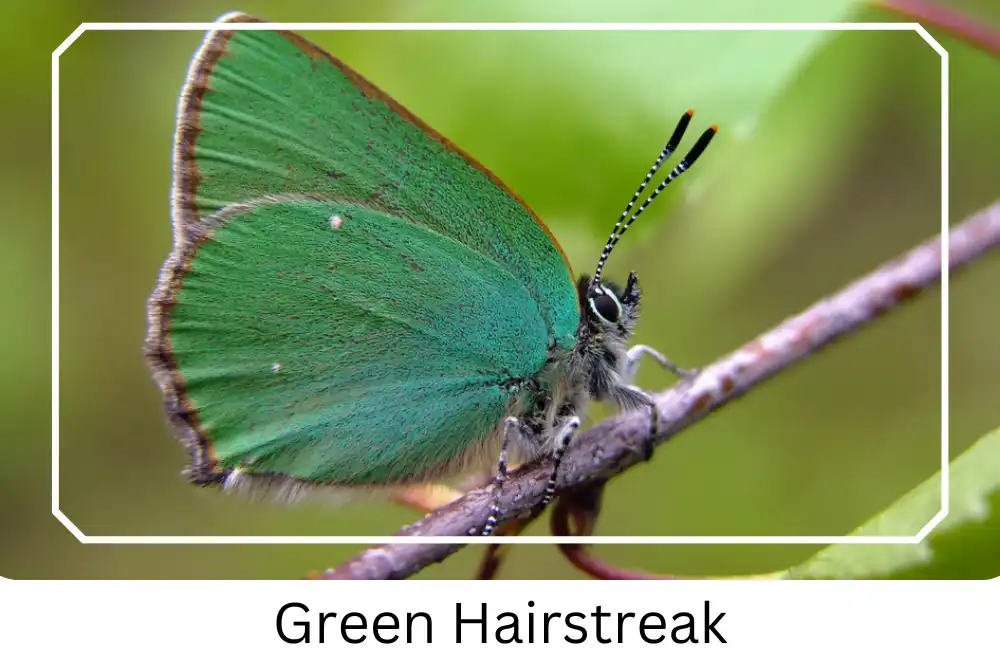
The Green Hairstreak butterfly, with its mesmerizing green hues, represents a fascinating subject within the European butterfly fauna. These small-sized lepidopterans are celebrated for their unique reverse wing coloration—a vibrant exterior contrasted by a more subdued interior, setting them apart from their counterparts. Their adept camouflage makes them elusive subjects in their natural woodland habitats, offering a delightful challenge for enthusiasts and researchers alike. Spanning across several regions through subspecies, the Green Hairstreak’s presence enriches the biodiversity of its locales.
Scientific Classification
- Family: Lycaenidae
- Genus: Callophrys
- Scientific Name: Callophrys rubi
Overview
The Green Hairstreak butterfly (Callophrys rubi) thrives across varied landscapes, from the rolling hills of Scotland and Wales to the diverse terrains of Europe and stretches of North Africa to Asia. Adapted to an array of habitats, including chalk downlands and moorland, this species exhibits fascinating biological and ecological traits. From its distinctive larval stage to its remarkable adult form, the Green Hairstreak encapsulates the intricate life cycle and survival strategies of butterflies. Its choice of host plants, flight pattern, and reproductive behaviors contribute to its niche in the ecosystem, reflecting the complex interplay between species and their environments.
Description and Identification
 Caterpillar
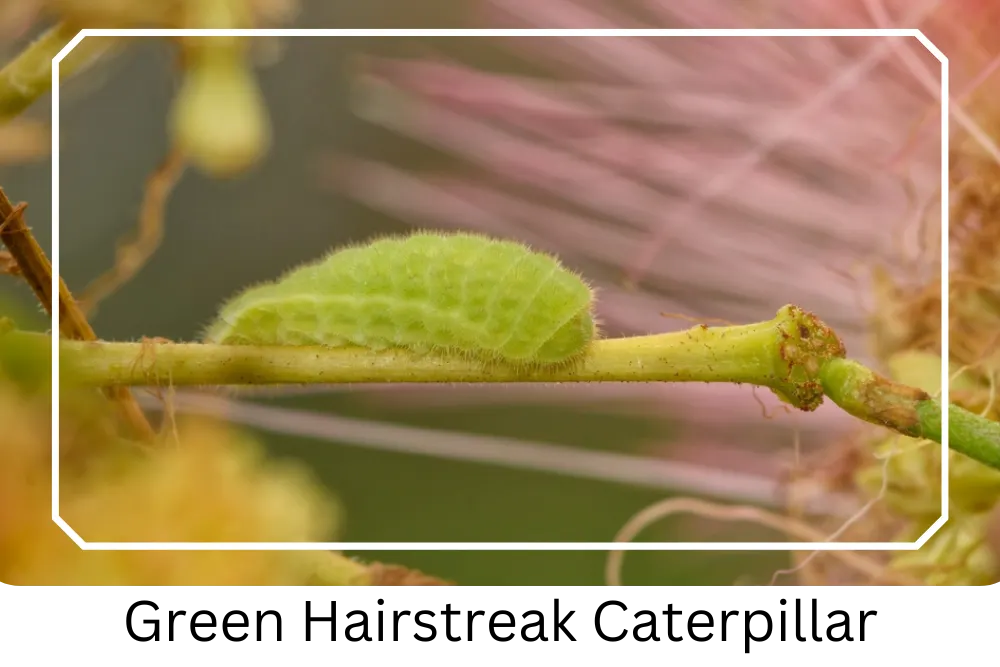
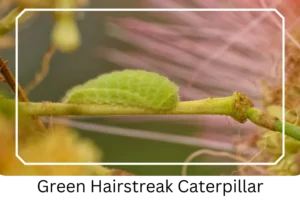
The Green Hairstreak caterpillar presents a vibrant green body adorned with yellow marks, embodying a slug-like appearance characteristic of its family. After hatching, these larvae undergo a cannibalistic phase post their first moult, eventually descending to the ground to pupate by the end of July.
Pupa
Pupation occurs within the leaf litter, where the chrysalis takes on a dark brown or light beige hue, influenced by the specific environmental conditions. After enduring the winter in hibernation, they emerge as butterflies in the warmth of summer or spring.
Adult Butterfly
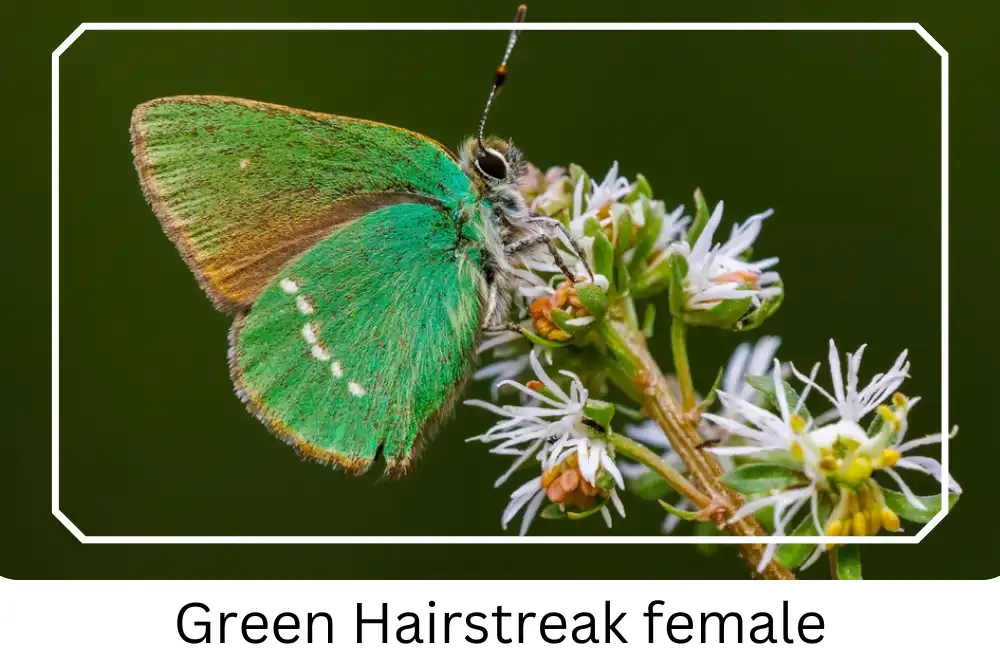
Sexual Dimorphism: Present but subtle, with differences in wing coloration and patterning between males and females.
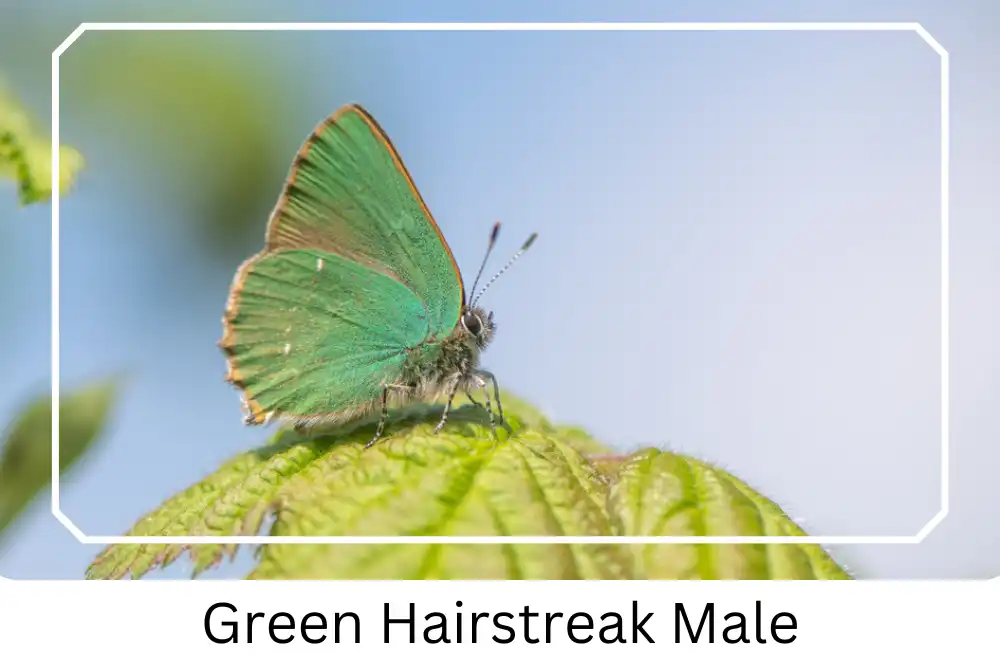
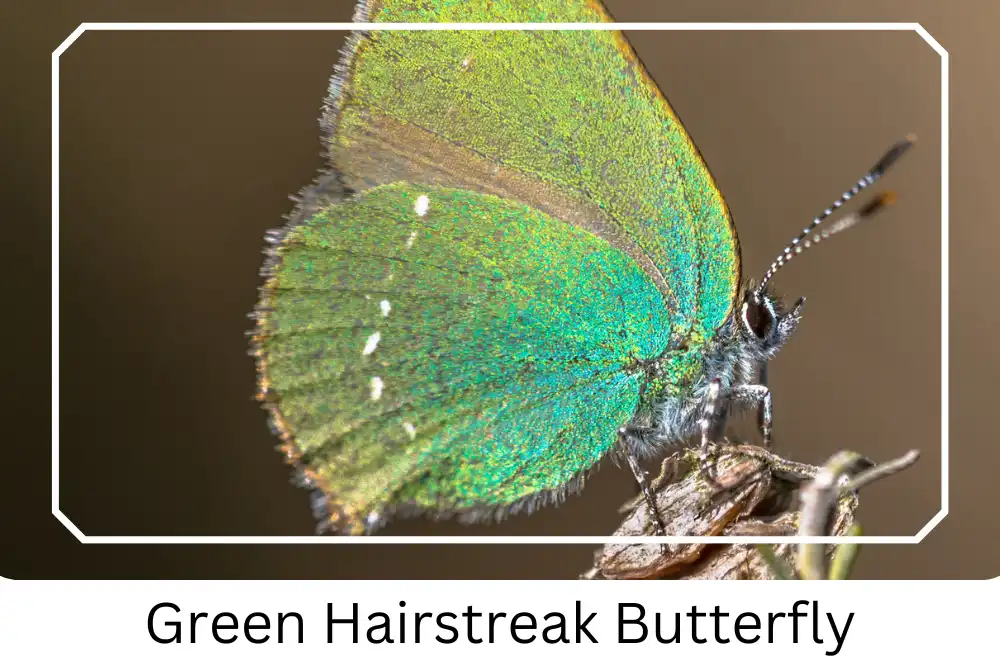
Color and Appearance: The dorsal side of the wings exhibits a dull brown when open, with males featuring two paler patches absent in females. The wings’ underside shines in an iridescent green, marked by thin white lines or dots.
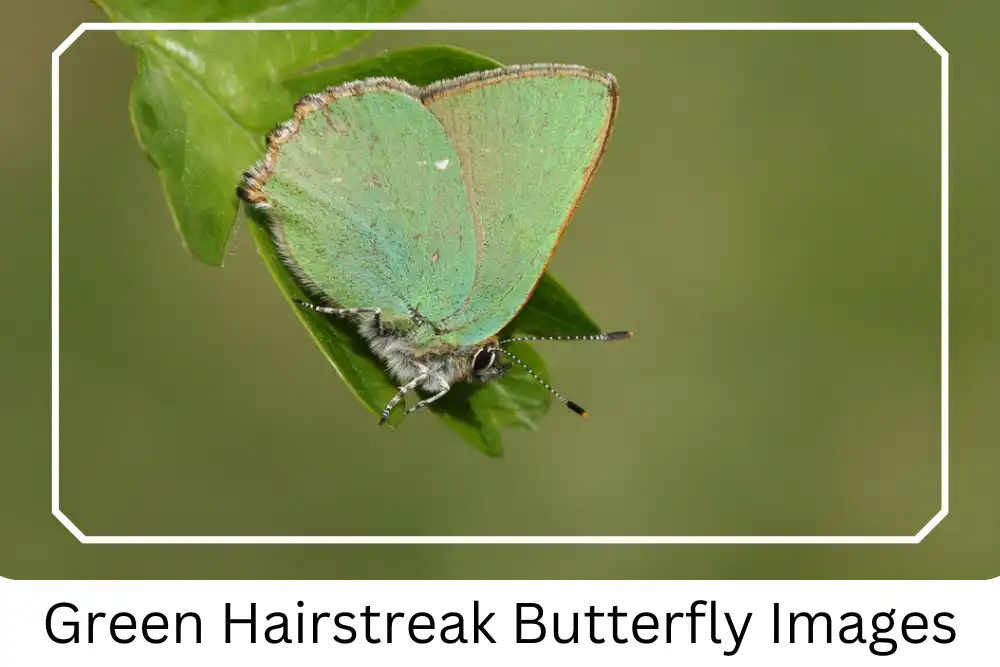
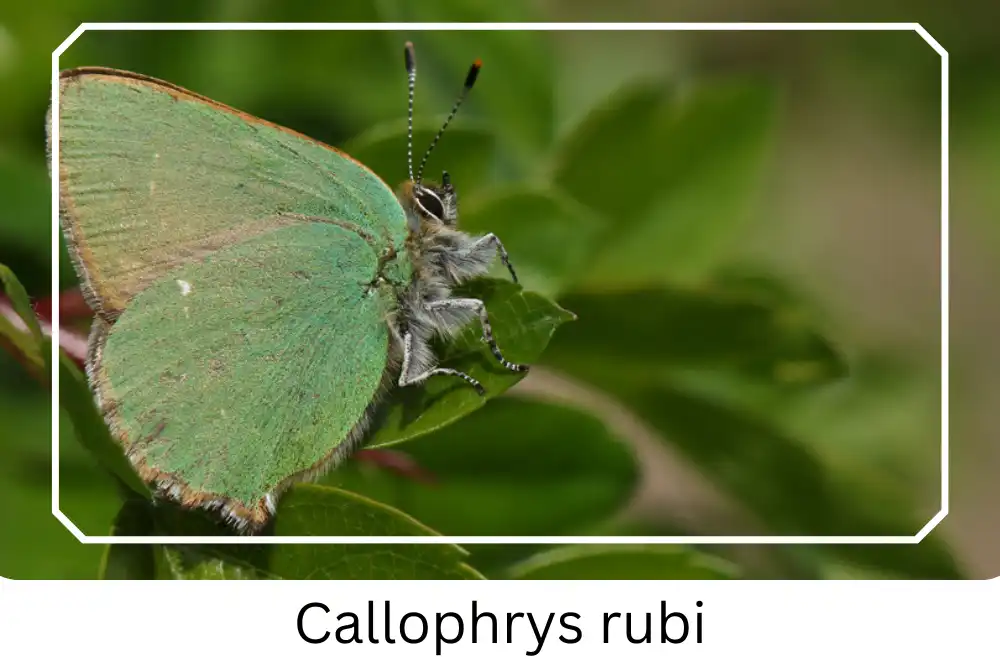 Average Wingspan: Ranges from 26 to 30 millimeters (1.0–1.2 inches).
Flight Pattern: Known for their moderate yet erratic flight, adding to the difficulty of tracking these elusive butterflies.
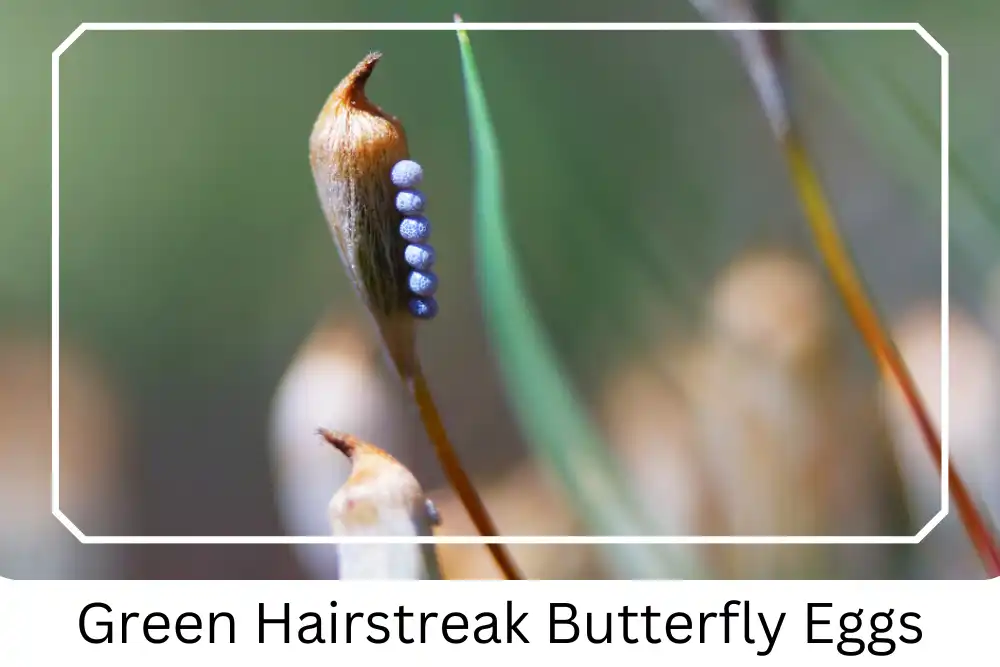
Green Hairstreak Butterfly Eggs
Eggs
Laid individually on the buds or young shoots of specific host plants, the eggs are green, blending seamlessly with their surroundings.
Quick Facts | |
| Distribution | Extends from Scotland and Wales to Ireland, across Europe, parts of North Africa, Asia, and Siberia. |
| Habitat | Adaptable to various environments, including chalk downland, heathland, and woodland clearings. |
| Host Plants | Prefers Bilberry, Bird’s-foot Trefoil, Broom, Common Rock-rose, Dyer’s Greenweed, and Gorse. |
| Adult Diet | Primarily flower nectar. |
How to Identify Green Hairstreak?
Identifying a Green Hairstreak butterfly requires a keen eye for detail and patience. The key to spotting this elusive butterfly lies in its unique coloration and habitat preferences. Look for their vibrant green underside with white lines or dots, which can be seen when the butterfly rests with wings closed. Searching in habitats rich in their host plants, such as Bilberry or Broom, during warm sunny days increases the chance of sightings. Additionally, observing their flight pattern, a fluttering motion close to the ground or vegetation, can also lead to a successful identification. Familiarizing yourself with these characteristics will make the task of spotting a Green Hairstreak in the wild both enjoyable and rewarding.
Did You Know?
- The Green Hairstreak is the only species among hairstreak butterflies that undergoes hibernation as a pupa.
- Remarkably, the pupae are capable of emitting faint but audible squeaks when disturbed.
- Despite their vibrant green coloration, these butterflies can blend seamlessly into their surroundings, making them almost invisible to predators and observers alike.
Conclusion
The Green Hairstreak butterfly stands as a testament to the marvels of evolution, exhibiting unique adaptations that ensure its survival. From its intriguing life cycle to its role in the ecosystem, this butterfly not only captivates the interest of those who study it but also highlights the importance of preserving its habitats. As we continue to explore and understand the complexities of these creatures, we deepen our appreciation for the intricate tapestry of life they represent.
Green Hairstreak Pictures


 Poppy Glendening on December 1, 2018.
 Butterfly Team