
Butterflies in Guatemala
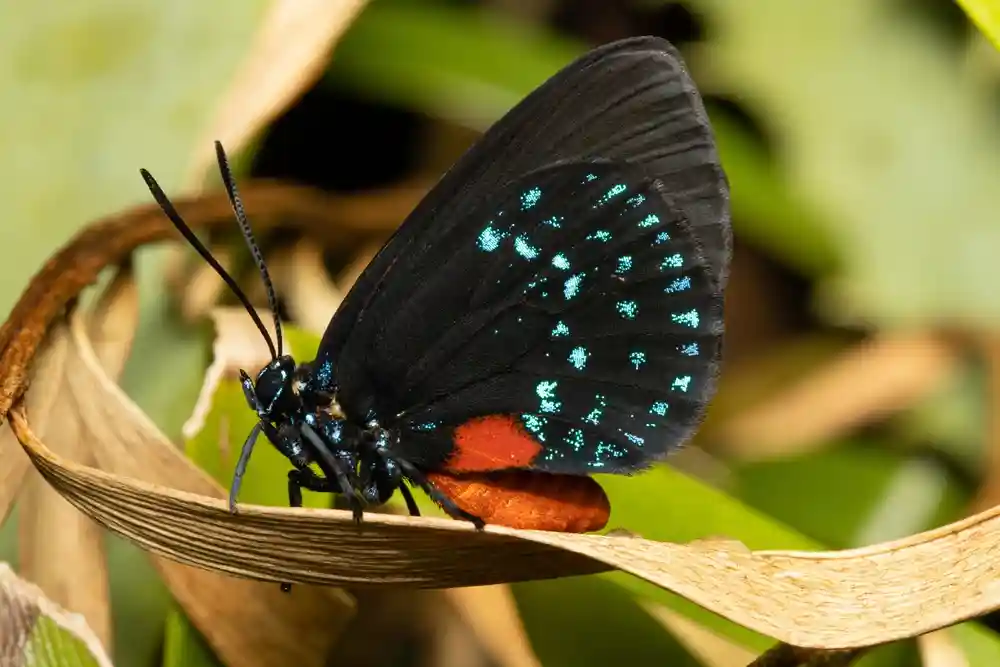
Guatemala is known for its butterfly diversity, though only a few efforts have been made to catalog the lepidopteran variety of the region. Notable species include the endemic Guatemalan Copper and Guatemalan Cracker, as well as the American Lady, the Black Swallowtail, and the Guava Skipper.

Butterflies in Guatemala
List of Different Butterfly Species of Guatemala
Brush-Footed (Nymphalidae)
- American Lady (Vanessa virginiensis)
- American Snout Butterfly (Libytheana carinenta)
- Andromeda Satyr (Taygetis thamyra)
- Anna’s Eighty-eight (Diaethria anna)
- Banded Peacock (Anartia fatima)
- Blomfield’s Beauty (Smyrna blomfildia)
- Blue-frosted Banner (Catonephele numilia)
- Bordered Patch (Chlosyne lacinia)
- Cloud-forest Monarch (Anetia thirza)
- Clysonymus Longwing (Heliconius clysonymus)
- Common Banner (Epiphile adrasta)
- Crimson Patch (Chlosyne janais)
- Cuban Crescentspot (Anthanassa tulcis)
- Dingy Purplewing (Eunica monima)
- Elf (Microtia elva)
- Faded Eighty-eight (Diaethria astala)
- Guatemalan Cracker (Hamadryas guatemalena)
- Gulf Fritillary (Agraulis vanillae)
- Helenor Morpho (Morpho helenor)
- Julia Heliconian (Dryas iulia)
- Juno (Dione juno)
- Karwinski’s Beauty (Smyrna karwinskii)
- Malachite (Siproeta stelenes)
- Many-banded Daggerwing (Marpesia chiron)
- Mexican Fritillary (Euptoieta hegesia)
- Mexican Longwing (Heliconius hortense)
- Mexican Silverspot (Dione moneta)
- Monarch Butterfly (Danaus plexippus)
- Moon Satyr (Pierella luna)
- Mourning Cloak (Nymphalis antiopa)
- Mylitta Greenwing (Dynamine postverta)
- Orange Admiral (Hypanartia lethe)
- Orange-spotted Tiger Clearwing (Mechanitis polymnia)
- Phaon Crescent (Phyciodes phaon)
- Queen Butterfly (Danaus gilippus)
- Red Admiral (Vanessa atalanta)
- Red Cracker (Hamadryas amphinome)
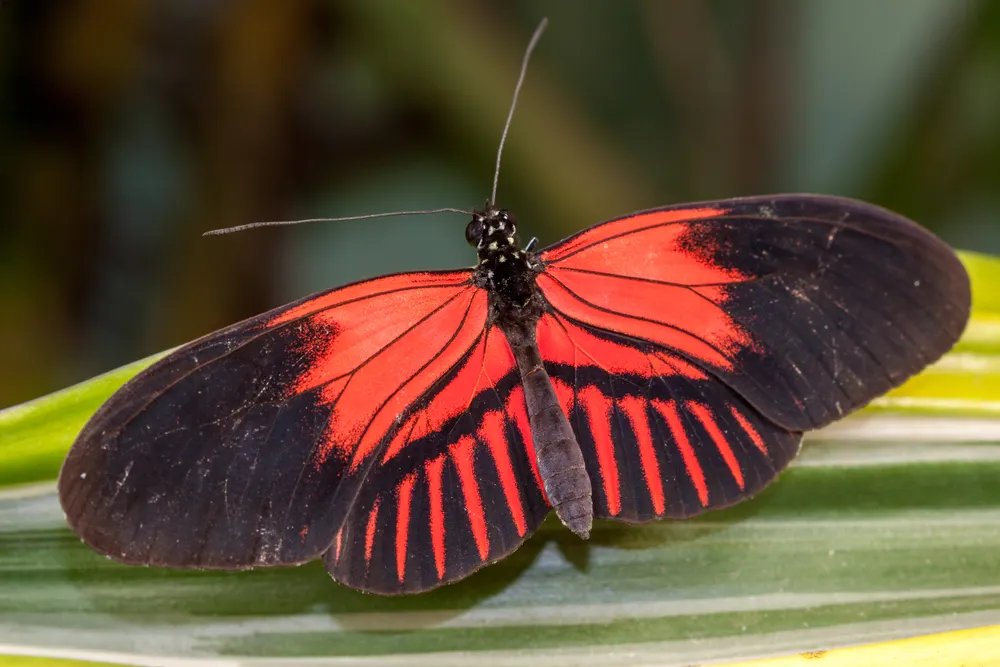
- Red Postman (Heliconius erato)
- Red Rim Butterfly (Biblis hyperia)
- Rosita Patch (Chlosyne rosita)
- Ruddy Daggerwing (Marpesia petreus)
- Rusty-tipped Page (Siproeta epaphus)
- Texan Crescentspot (Anthanassa texana)
- West Coast Lady (Vanessa annabella)
- White Peacock (Anartia jatrophae)
- Zebra Longwing (Heliconius charithonia)
- Adelpha donysa
- Anthanassa drymaea
- Archaeoprepona demophoon
- Caligo telamonius
- Chlosyne erodyle
- Cyllopsis nelsoni
- Diaethria pandama
- Dircenna klugii
- Drucina championi
- Episcada salvinia
- Hypanartia dione
- Hypanartia godmanii
- Tegosa guatemalena
Gossamer-Winged (Lycaenidae)
- Cassius Blue (Leptotes cassius)
- Eastern Tailed-blue (Cupido comyntas)
- Echo Azure (Celastrina echo)
- Gray Ministreak (Ministrymon azia)
- Gray Hairstreak (Strymon melinus)
- Guatemalan Copper (Iophanus pyrrhias)
- Marine Blue (Leptotes marina)
- Reakirt’s Blue (Echinargus isola)
- Western Pygmy Blue (Brephidium exilis)
- Cyanophrys agricolor
- Ostrinotes keila
- Pseudolycaena damo
Whites and Sulphurs (Pieridae)
- Apricot Sulphur (Phoebis argante)
- Barred Yellow (Eurema daira)
- Checkered White (Pontia protodice)
- Clouded Sulphur (Colias philodice)
- Common Green-eyed White (Leptophobia aripa)
- Dainty Sulphur (Nathalis iole)
- Ghost Yellow (Eurema albula)
- Great Southern White (Ascia monuste)
- Large Orange Sulphur (Phoebis agarithe)
- Marbled White (Hesperocharis graphites)
- Mexican Yellow (Eurema mexicana)
- Orange-barred Sulphur (Phoebis philea)
- Painted White (Pieriballia viardi)
- Salome Yellow (Eurema salome)
- Statira Sulphur (Aphrissa statira)
- Tailed Orange (Pyrisitia proterpia)
- Tailed Sulphur (Phoebis neocypris)
- White-angled Sulphur (Anteos clorinde)
- Catasticta flisa
- Catasticta teutila
- Melete polyhymnia
- Pereute charops
Metalmark (Riodinidae)
- Blue Metalmark (Lasaia sula)
- Thisbe lycorias
- Juditha caucana
Swallowtail (Papilionidae)
- Arcas Cattleheart (Parides eurimedes)
- Black Swallowtail (Papilio polyxenes)
- Pink-spotted Cattleheart (Parides photinus)
- Polydamas Swallowtail (Battus polydamas)
- Ruby Spotted Swallowtail (Papilio anchisiades)
- Two-tailed Swallowtail (Papilio multicaudata)
- Papilio erostratus
Skipper (Hesperiidae)
- Alana White-skipper (Heliopetes alana)
- Blue-studded Skipper (Sostrata nordica)
- Brilliant Anastrus (Anastrus neaeris neaeris)
- Broad Banded-skipper (Autochton neis)
- Broken Silverdrop (Epargyreus exadeus)
- Dorantes Longtail (Urbanus dorantes)
- Fiery Skipper (Hylephila phyleus)
- Gold-spotted Aguna (Aguna asander)
- Guava Skipper (Phocides polybius)
- Laviana White-skipper (Heliopetes laviana)
- Long-spotted Silverdrop (Epargyreus deleoni)
- Many-spotted Skipperling (Piruna aea)
- Orange-spotted Skipper (Atarnes sallei)
- Pale Sicklewing (Achlyodes pallida)
- Two-barred Flasher (Astraptes fulgerator)
- White-centered Bent-skipper (Theagenes aegides)
- Yellow-tipped Flasher (Astraptes anaphus)
- Zilpa Longtail (Chioides zilpa)
- Urbanus procne
- Vettius fantasos
The most notable place to see butterflies in Guatemala is the butterfly sanctuary at Lake Atitlán.