
Butterflies in Cuba
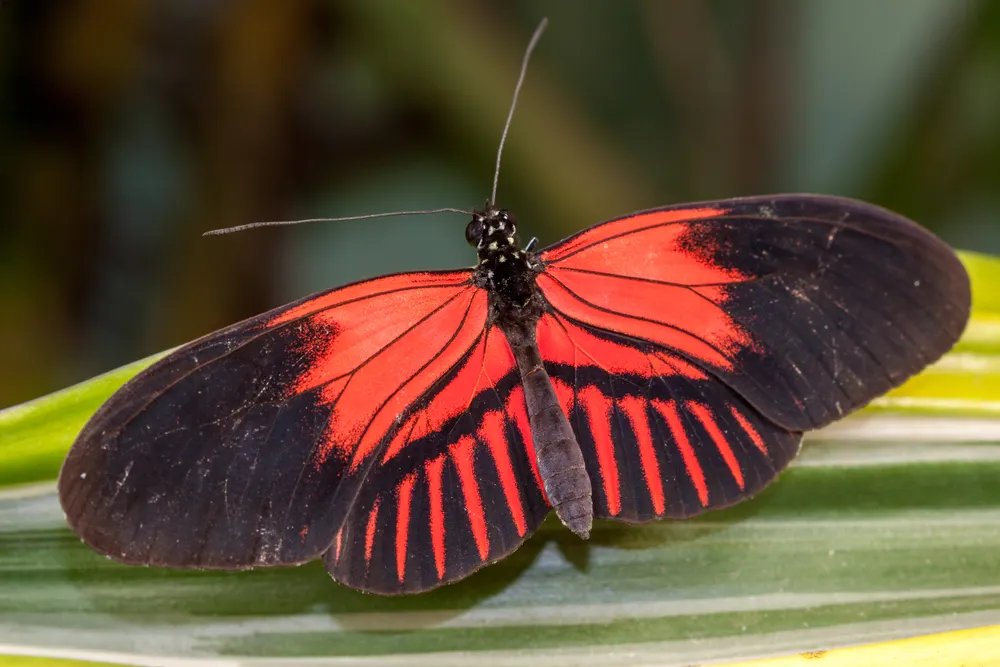
Close to 200 butterfly species have been recorded in Cuba, with quite a few species believed to be endemic as well. These include the Cuban Crescent, the Baracoa Skipper, and the Cuban Cattleheart.

Butterflies in Cuba
List of Different Butterfly Species of Cuba
Brush-Footed (Nymphalidae)
- American Lady (Vanessa virginiensis)
- American Snout Butterfly (Libytheana carinenta)
- Antillean Daggerwing (Marpesia eleuchea)
- Antillean Mapwing (Hypanartia paullus)
- Common Buckeye (Junonia coenia)
- Cream-banded Emperor (Asterocampa idyja)
- Cuban Crescent (Anthanassa frisia)
- Cuban Peacock (Anartia chrysopelea)
- Danaid Eggfly (Hypolimnas misippus)
- Dingy Purplewing (Eunica monima)
- Dirce Beauty (Colobura dirce)
- Florida Purplewing (Eunica tatila)
- Gulf Fritillary (Agraulis vanillae)
- Isabella’s Longwing (Eueides isabella)
- Jazzy Leafwing (Hypna clytemnestra)
- Julia Heliconian (Dryas iulia)
- Lesser False Fritillary (Anetia briarea)
- Malachite (Siproeta stelenes)
- Mangrove Buckeye (Junonia genoveva)
- Many-banded Daggerwing (Marpesia chiron)
- Mexican Fritillary (Euptoieta hegesia)
- Monarch Butterfly (Danaus plexippus)
- Mylitta Greenwing (Dynamine postverta)
- One-spotted Prepona (Archaeoprepona demophon)
- Orion Cecropian (Historis odius)
- Painted Lady (Vanessa cardui)
- Phaon Crescent (Phyciodes phaon)
- Queen Butterfly (Danaus gilippus)
- Question Mark (Polygonia interrogationis)
- Red Admiral (Vanessa atalanta)
- Red Cracker (Hamadryas amphinome)
- Salvin’s Anetia (Anetia cubana)
- Scarlet Leafwing (Siderone galanthis)
- Silver Emperor (Doxocopa laure)
- Soldier (Danaus eresimus)
- Tailed Cecropian (Historis acheronta)
- Tropical Buckeye (Junonia evarete)
- Tropical Milkweed Butterfly (Lycorea halia)
- Variable Cracker (Hamadryas feronia)
- Variegated Fritillary (Euptoieta claudia)
- Viceroy (Limenitis archippus)
- White Peacock (Anartia jatrophae)
- Zebra Longwing (Heliconius charithonia)
- Antillea pelops
- Calisto bradleyi
- Calisto brochei
- Calisto bruneri
- Calisto hysius
- Calisto israeli
- Calisto muripetens
- Calisto occulta
Gossamer-Winged (Lycaenidae)
- Amethyst Hairstreak (Chlorostrymon maesites)
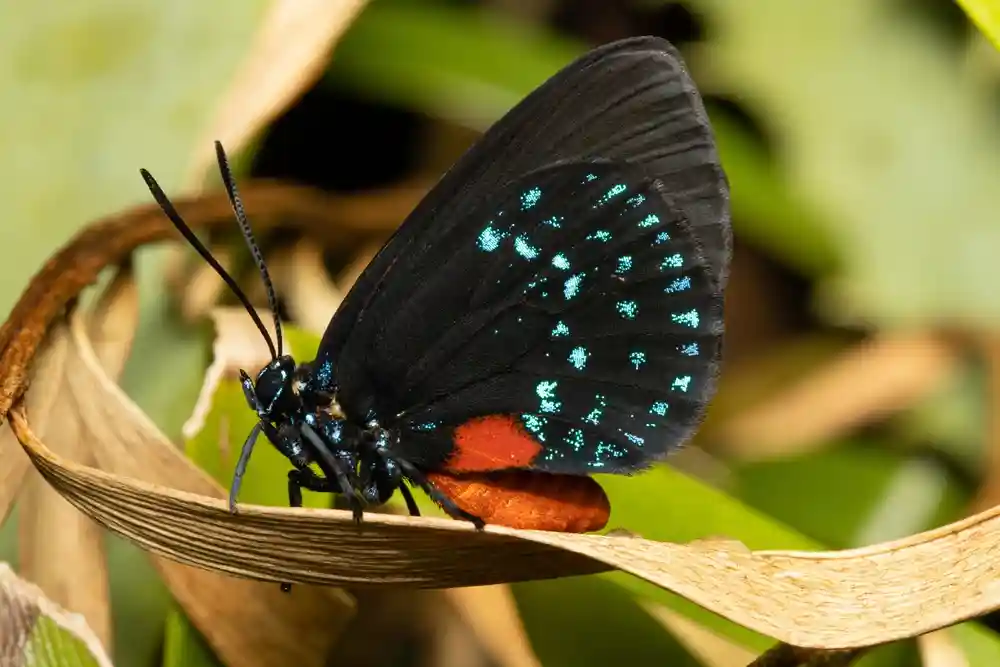
- Atala (Eumaeus atala)
- Bartram’s Scrub-hairstreak (Strymon acis)
- Cassius Blue (Leptotes cassius)
- Fulvous Hairstreak (Electrostrymon angelia)
- Gray Ministreak (Ministrymon azia)
- Hanno Blue (Hemiargus hanno)
- Lantana Scrub-hairstreak (Strymon bazochii)
- Lucas’ Blue (Cyclargus ammon)
- Mallow Hairstreak (Strymon istapa)
- Martial Scrub-hairstreak (Strymon martialis)
- Silver-banded Hairstreak (Chlorostrymon simaethis)
- Western Pygmy Blue (Brephidium exilis)
- Pseudochrysops bornoi
- Ziegleria hernandezi
Whites and Sulphurs (Pieridae)
- Apricot Sulphur (Phoebis argante)
- Barred Yellow (Eurema daira)
- Boisduval’s Yellow (Eurema boisduvaliana)
- Checkered White (Pontia protodice)
- Cloudless Sulphur (Phoebis sennae)
- Cuban Dismorphia (Dismorphia cubana)
- Dainty Sulphur (Nathalis iole)
- Dina Yellow (Pyrisitia dina)
- Florida White (Glutophrissa drusilla)
- Great Southern White (Ascia monuste)
- Large Orange Sulphur (Phoebis agarithe)
- Little Yellow (Pyrisitia lisa)
- Lyside Sulphur (Kricogonia lyside)
- Mimosa Yellow (Pyrisitia nise)
- Orange-barred Sulphur (Phoebis philea)
- Orange Sulphur (Colias eurytheme)
- Red-splashed Sulphur (Phoebis avellaneda)
- Shy Yellow (Pyrisitia messalina)
- Sleepy Orange (Abaeis nicippe)
- Southern Dogface (Zerene cesonia)
- Statira Sulphur (Aphrissa statira)
- Tailed Orange (Pyrisitia proterpia)
- White-angled Sulphur (Anteos clorinde)
- Yellow Angled-sulphur (Anteos maerula)
- Melete salacia
Metalmark (Riodinidae)
- Caribbean Metalmark (Dianesia carteri)
Swallowtail (Papilionidae)
- Androgeus Swallowtail (Heraclides androgeus)
- Bahaman Swallowtail (Heraclides andraemon)
- Black Swallowtail (Papilio polyxenes)
- Chequered Swallowtail (Papilio demoleus)
- Cuban Black Swallowtail (Heraclides oxynius)
- Cuban Cattleheart (Parides gundlachianus)
- Cuban Kite Swallowtail (Eurytides celadon)
- Palamedes Swallowtail (Pterourus palamedes)
- Poey’s Black Swallowtail (Heraclides caiguanabus)
- Polydamas Swallowtail (Battus polydamas)
- Prickly Ash Swallowtail (Heraclides pelaus)
- Schaus’ Swallowtail (Heraclides aristodemus)
- Spicebush Swallowtail (Pterourus troilus)
- Thomas Swallowtail (Heraclides thoas)
- Battus devilliersii
Skipper (Hesperiidae)
- Baracoa Skipper (Polites baracoa)
- Brazilian Skipper (Calpodes ethlius)
- Caribbean Duskywing (Ephyriades arcas)
- Common Anastrus (Anastrus sempiternus)
- Dorantes Longtail (Urbanus dorantes)
- Emerald Aguna (Aguna claxon)
- Fiery Skipper (Hylephila phyleus)
- Florida Duskywing (Ephyriades brunnea)
- Golden Banded-skipper (Autochton cellus)
- Hammock Skipper (Polygonus leo)
- Long-tailed Skipper (Urbanus proteus)
- Mangrove Skipper (Phocides pigmalion)
- Mercurial Skipper (Proteides mercurius)
- Obscure Skipper (Panoquina panoquinoides)
- Ocola Skipper (Panoquina ocola)
- Potrillo Skipper (Cabares potrillo)
- Purple-washed Skipper (Panoquina lucas)
- Southern Broken Dash (Wallengrenia otho)
- Three-spotted Skipper (Cymaenes tripunctus)
- Tropical Checkered Skipper (Burnsius oileus)
- Yellow-tipped Flasher (Astraptes anaphus)
- Zarucco Duskywing (Erynnis zarucco)
- Zestos Skipper (Epargyreus zestos)
- Atalopedes mesogramma
- Lerodea eufala
- Nyctelius nyctelius
Some notable places to see butterflies in Cuba include the Sierra Maestra mountains, though you will require a guide if you intend to scale its highest peak, Pico Turquino, as well as the city of Baracoa, located in the eastern part of the country.