
Butterflies in Croatia
Croatia has 196 butterfly species on its national checklist, one of the richest faunas in Europe for a country of its size, because the Adriatic coast and islands, the Dinaric mountains of Velebit and Gorski Kotar and the Pannonian plains of Slavonia each have their own butterflies. The Old World and Scarce Swallowtails, Two-tailed Pasha, Cleopatra and Southern Festoon are the Mediterranean stars, the Apollo and a dozen Erebia ringlets rule the mountains, and the Dalmatian Ringlet flies nowhere in the world but the Dalmatian karst. There is no official national butterfly.

On this page
- Butterflies found in Croatia
- Butterflies of Croatia at a glance
- Signature Croatian butterflies
- The Croatian butterfly calendar
- Where to see butterflies in Croatia
- Host plants and butterfly gardening in Croatia
- Rare and threatened butterflies in Croatia
- How to identify a butterfly in Croatia
- Frequently asked questions
Butterflies of Croatia at a glance
Croatia is shaped like a crescent, and each arm has a different butterfly fauna. The Adriatic coast, Istria and the 1,000-odd islands are Mediterranean, with evergreen oak scrub, olive groves and bare limestone karst. Behind them the Dinaric Alps run the length of the country, from Učka and Gorski Kotar through Velebit to Biokovo, with beech and fir forest and summit grassland above 1,500 m. To the north-east lie the Pannonian lowlands of Slavonia, with oak forest, wet meadows and the floodplains of the Sava, Drava and Danube. The national checklist runs to 196 species.
The brush-footed butterflies are the largest family, with an outstanding series of Erebia mountain ringlets, graylings, fritillaries of every size and the woodland emperors and admirals. The blues, coppers and hairstreaks come next, including four Phengaris large blues and the anomalous blues of the Balkans. Croatia also has six swallowtails and apollos, 18 whites and sulphurs, 23 skippers and the Duke of Burgundy as its single metalmark.
Signature Croatian butterflies
The Old World Swallowtail and the Scarce Swallowtail are the big butterflies of every Croatian village, the first on fennel and wild carrot, the second on blackthorn and almond, and the Southern Festoon, a yellow-and-black zigzag butterfly of birthwort patches, flies with them in April. The Apollo is the mountain flagship, gliding over the limestone screes of Velebit, Biokovo and Dinara in July, while the Clouded Apollo prefers shady beech-wood clearings a little lower down.

The Dalmatian Ringlet (Proterebia afra dalmata) is the one butterfly that draws lepidopterists to Croatia specifically. A small brown ringlet with a row of orange-ringed eyespots, it flies for a few weeks from mid-March to April on the stony karst grassland around Split, Krka and Biokovo, a relict isolated from its nearest relatives in Greece and the Russian steppe.
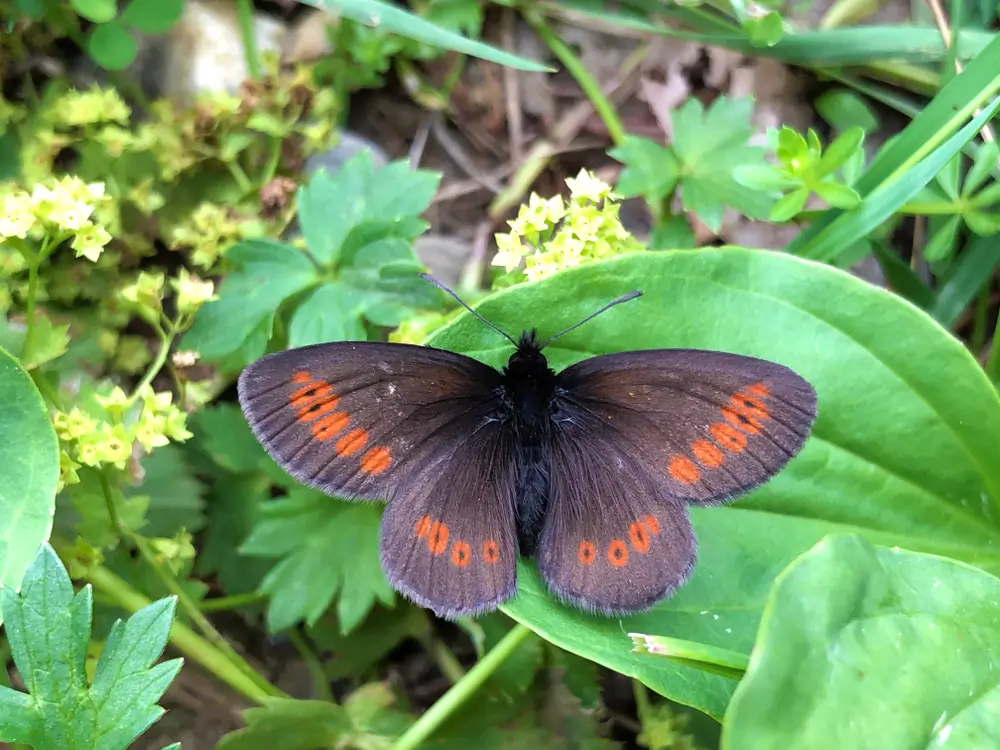
On the coast the Two-tailed Pasha patrols strawberry-tree scrub and comes to rotting figs, the Cleopatra and the Southern Comma fly on warm winter days, and the Balkan Marbled White, Tree Grayling, Southern Gatekeeper and Little Tiger Pierrot are Mediterranean species rarely seen further north. In the mountains the Mountain Ringlet is joined by the Black, Styrian, Silky, Ottoman Brassy and Dusky Ringlets, and the Purple Emperor, Lesser Purple Emperor, Poplar Admiral and Hungarian Glider work the forest rides. Everywhere the Painted Lady, Small Tortoiseshell, Peacock, Mourning Cloak and Comma are the familiar garden species. The best June meadows hold the Adonis Blue, Chalkhill, Meleager's, Escher's and Anomalous Blues side by side.
The Croatian butterfly calendar
The Adriatic coast has butterflies in every month: Cleopatras, Brimstones, Southern Commas and Red Admirals fly on sunny winter days, and the first fresh Painted Ladies arrive from Africa in February and March. The Dalmatian Ringlet opens the real season in mid-March, followed in April by the Southern Festoon, both swallowtails, the Orange Tip, Green-underside Blue and Grizzled Skipper.
May and June are the peak everywhere below the mountains. The fritillaries, the coppers, the blues and the browns are all flying, the first brood of the Two-tailed Pasha appears on the coast, and the wet meadows of Slavonia hold the Large Copper and Scarce Fritillary. Our guide to the butterfly season explains why the timing shifts with altitude.
July and August belong to the Dinaric summits, when the Apollo, the Erebia ringlets, the Balkan Blue and the Dusky and Scarce Large Blues are on the wing while the coast bakes. The Purple Emperor has its few weeks in the canopy in July. Autumn brings the second brood of the Pasha, the Southern Comma and the whites, migrants such as the Long-tailed Blue and Clouded Yellow moving along the coast, and the hibernators feeding on ivy before winter.
Where to see butterflies in Croatia
Croatia's national and nature parks cover the best habitat, and most have marked trails.
- Velebit (Northern Velebit and Paklenica National Parks) — the richest range in the country, from coastal karst to alpine grassland: Apollo, Clouded Apollo, ringlets, Balkan Blue and dozens of blues in June and July.
- Biokovo Nature Park — the karst plateau above Makarska for the Dalmatian Ringlet in spring and mountain species in summer.
- Krka National Park — the dry grassland above the river for Dalmatian Ringlet, Southern Festoon and the Mediterranean graylings.
- Plitvice Lakes National Park — beech forest and wet meadows for Purple Emperor, Woodland Brown, Chequered Skipper and fritillaries.
- Učka and Istria — one of the last Croatian sites for the False Ringlet, plus Fenton's Wood White and the Alpine species of Učka's summit.
- Lonjsko Polje and Kopački Rit — Pannonian floodplains for Large Copper, Scarce Large Blue and Dusky Large Blue in June and July.
- The islands (Cres, Krk, Hvar, Mljet) — Two-tailed Pasha, Cleopatra and the coastal species.
Host plants and butterfly gardening in Croatia
A Croatian garden, whether on the coast or inland, can breed a dozen species if it offers the right caterpillar host plants.
- Fennel, wild carrot and rue — Old World Swallowtail.
- Blackthorn, almond and hawthorn — Scarce Swallowtail and Black-veined White.
- Strawberry tree — Two-tailed Pasha on the coast.
- Birthwort (Aristolochia) — the Southern Festoon; leave it in the corner of the olive grove.
- Buckthorn — Brimstone and Cleopatra.
- Stinging nettle in sun — Small Tortoiseshell, Peacock, Comma, Red Admiral and the Map.
- Bird's-foot trefoil, sainfoin and vetches — the Common Blue, Adonis Blue and most of the meadow blues.
- Long grass — Meadow Brown, Marbled White, the graylings and the skippers.
For nectar the Mediterranean natives are unbeatable: thyme, sage, lavender, thistles and knapweed in early summer, then buddleia, marjoram and Verbena, and ivy in autumn. Mow rough grass once a year in late September rather than every fortnight, and skip pesticides.
Rare and threatened butterflies in Croatia
The Croatian Red Book of Butterflies lists about a fifth of the fauna as threatened, and roughly 20 species are protected under the EU Habitats Directive since Croatia joined in 2013. The False Ringlet (Coenonympha oedippus), Europe's most endangered butterfly, survives at a few wet-grassland sites in Istria and the north; the Large Blue, Alcon Blue, Scarce Large Blue and Dusky Large Blue all depend on specific ants and specific meadows; the Large Copper, Scarce Fritillary, Marsh Fritillary and Woodland Brown are losing their damp woodland and floodplain habitats; and the Danube Clouded Yellow has all but vanished from Slavonia, as it has across the EU.

The paradox of the Croatian countryside is that the threat is abandonment as much as intensification. As sheep and goats leave the karst, the flower-rich stony grassland that the Dalmatian Ringlet, the Apollo and the blues need turns to scrub and then to pine, while in Slavonia meadows are drained, fertilised or converted to maize. Coastal tourism development and wildfires add to the pressure. The same species face the same problems next door, as our pages on butterflies in Hungary and butterflies in Italy show.
Butterflies found in Croatia
182 species listed for Croatia, grouped by family. Linked names have a full profile on this site with pictures of every life stage.
Brush-Footed (Nymphalidae)
 Polygonia c-albumComma (Polygonia c-album)The comma (Polygonia c-album) is a medium-sized orange-and-brown butterfly of woodland edges, hedgerows and gardens across Europe, North Africa and te
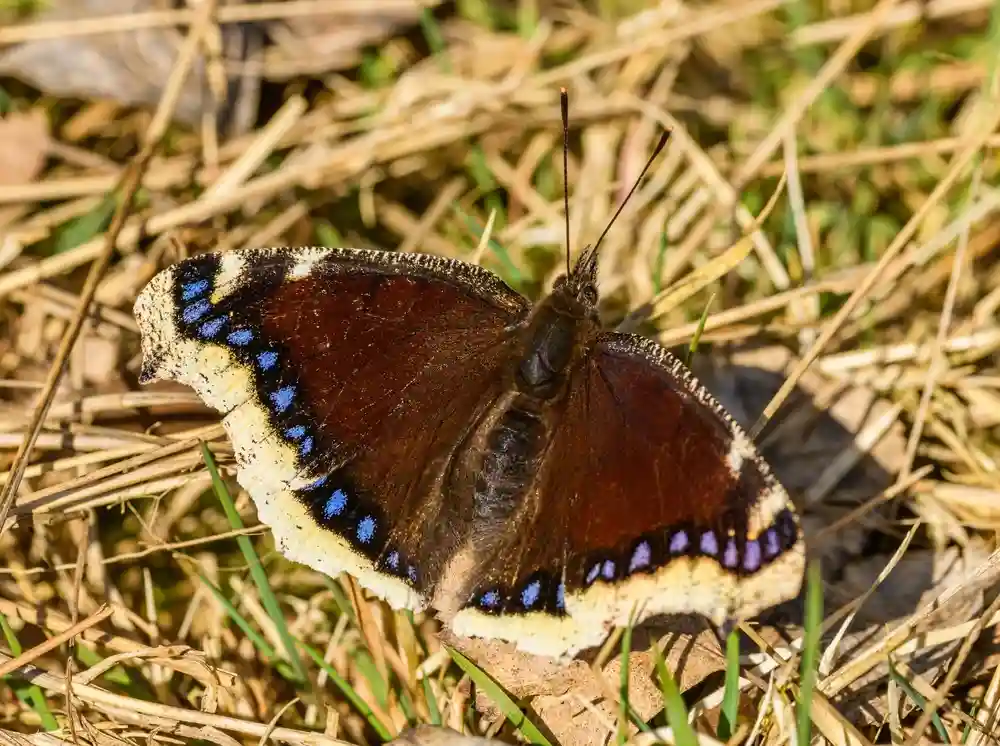 Nymphalis antiopaMourning Cloak (Nymphalis antiopa)The mourning cloak (Nymphalis antiopa) is a large dark butterfly of woodland, riverbank and suburb across North America and temperate Eurasia, and not
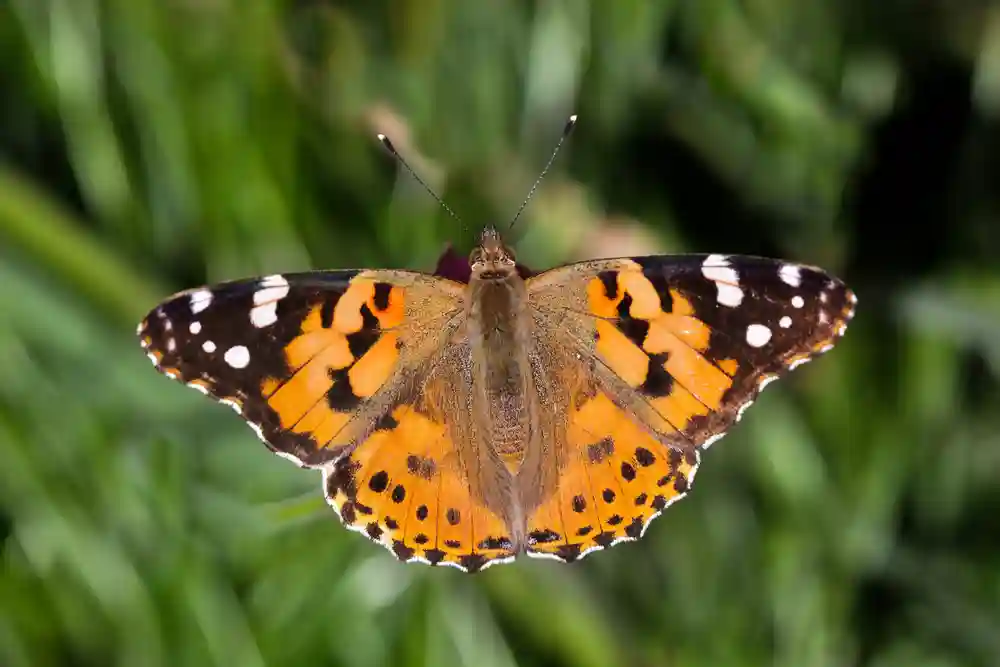 Vanessa carduiPainted Lady (Vanessa cardui)No other butterfly lives on so much of the planet.
 Aglais ioPeacock (Aglais io)Four huge eyespots on a rust-red ground make the peacock one of the most recognisable butterflies in Europe.
 Apatura irisPurple Emperor (Apatura iris)The purple emperor spends most of its short adult life in the tops of oak trees, drinking honeydew and picking fights, and the famous purple is not a
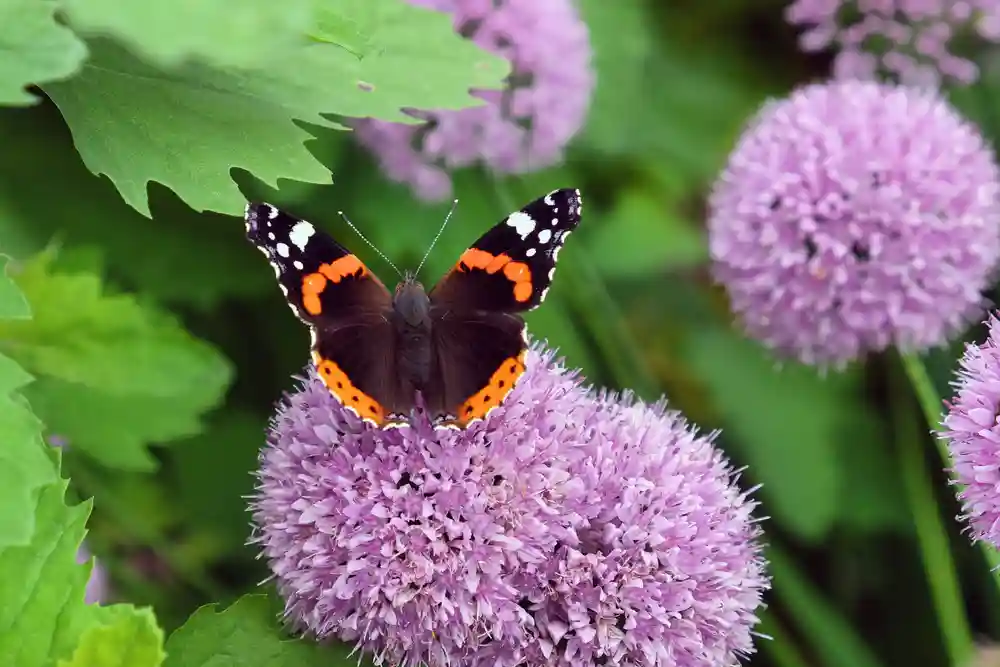 Vanessa atalantaRed Admiral (Vanessa atalanta)The red admiral (Vanessa atalanta) is a medium-sized blackish butterfly marked with one bright orange-red band across each forewing and a scatter of w
 Aglais urticaeSmall Tortoiseshell (Aglais urticae)Orange-red with a black-and-yellow chequered front edge and a rim of blue crescents, the small tortoiseshell is the butterfly that turns up on a gardeErebia epiphronMountain Ringlet (Erebia epiphron)A small, sooty butterfly with a chain of orange spots, the mountain ringlet lives higher than any other butterfly in Britain and spends its brief adul
Show all 74 other brush-footed species names
- Assmann's Fritillary (Melitaea britomartis)
- Balkan Marbled White (Melanargia larissa)
- Black Ringlet (Erebia melas)
- Cardinal (Argynnis pandora)
- Chestnut Heath (Coenonympha glycerion)
- Compton Tortoiseshell (Nymphalis vaualbum)
- Dark Green Fritillary (Speyeria aglaja)
- Dark Rock Brown (Chazara briseis)
- Dryad (Minois dryas)
- Dusky Meadow Brown (Hyponephele lycaon)
- Dusky Ringlet (Erebia oeme)
- Eastern Knapweed Fritillary (Melitaea telona)
- Eastern Large Heath (Coenonympha rhodopensis)
- European Nettle-tree Butterfly (Libythea celtis)
- False Grayling (Arethusana arethusa)
- False Heath Fritillary (Melitaea diamina)
- False Ringlet (Coenonympha oedippus)
- Glanville Fritillary (Melitaea cinxia)
- Grayling (Hipparchia semele)
- Great Banded Grayling (Brintesia circe)
- Great Sooty Satyr (Satyrus ferula)
- Grison's Fritillary (Erebia medusa)
- Heath Fritillary (Melitaea athalia)
- Hedge Brown (Pyronia tithonus)
- High Brown Fritillary (Fabriciana adippe)
- Hungarian Glider (Neptis rivularis)
- Large Ringlet (Erebia euryale)
- Large Tortoiseshell (Nymphalis polychloros)
- Large Wall Brown (Lasiommata maera)
- Lesser Marbled Fritillary (Brenthis ino)
- Lesser Purple Emperor (Apatura ilia)
- Map (Araschnia levana)
- Marbled Fritillary (Brenthis daphne)
- Marbled White (Melanargia galathea)
- Marsh Fritillary (Euphydryas aurinia)
- Meadow Brown (Maniola jurtina)
- Meadow Ringlet (Erebia ligea)
- Nickerl's Fritillary (Melitaea aurelia)
- Niobe Fritillary (Fabriciana niobe)
- Oriental Meadow Brown (Hipparchia syriaca)
- Ottoman Brassy Ringlet (Erebia ottomana)
- Pallas' Sailer (Neptis sappho)
- Pearl-bordered Fritillary (Boloria euphrosyne)
- Pearly Heath (Coenonympha arcania)
- Phoebe Fritillary (Melitaea phoebe)
- Poplar Admiral (Limenitis populi)
- Queen of Spain Fritillary (Issoria lathonia)
- Ringlet (Aphantopus hyperantus)
- Roxelana's Grayling (Kirinia roxelana)
- Scarce Fritillary (Euphydryas maturna)
- Scotch Argus (Erebia aethiops)
- Shepherd's Fritillary (Erebia pronoe)
- Silky Ringlet (Erebia gorge)
- Silver-washed Fritillary (Argynnis paphia)
- Small Heath (Coenonympha pamphilus)
- Small Pearl-Bordered Fritillary (Boloria selene)
- Southern Comma (Polygonia egea)
- Southern Gatekeeper (Pyronia cecilia)
- Southern Marbled Skipper (Hyponephele lupinus)
- Southern White Admiral (Limenitis reducta)
- Speckled Wood (Pararge aegeria)
- Spotted Fritillary (Melitaea didyma)
- Styrian Ringlet (Erebia stirius)
- Titania's Fritillary (Boloria titania)
- Tree Grayling (Hipparchia statilinus)
- Twin-spot Fritillary (Brenthis hecate)
- Two-tailed Pasha (Charaxes jasius)
- Violet Frillitary (Boloria dia)
- Wall Brown (Lasiommata megera)
- White Admiral (Limenitis camilla)
- Woodland Brown (Lopinga achine)
- Woodland Grayling (Hipparchia fagi)
- Yellow-legged Tortoiseshell (Nymphalis xanthomelas)
- Proterebia afra
Gossamer-Winged (Lycaenidae)
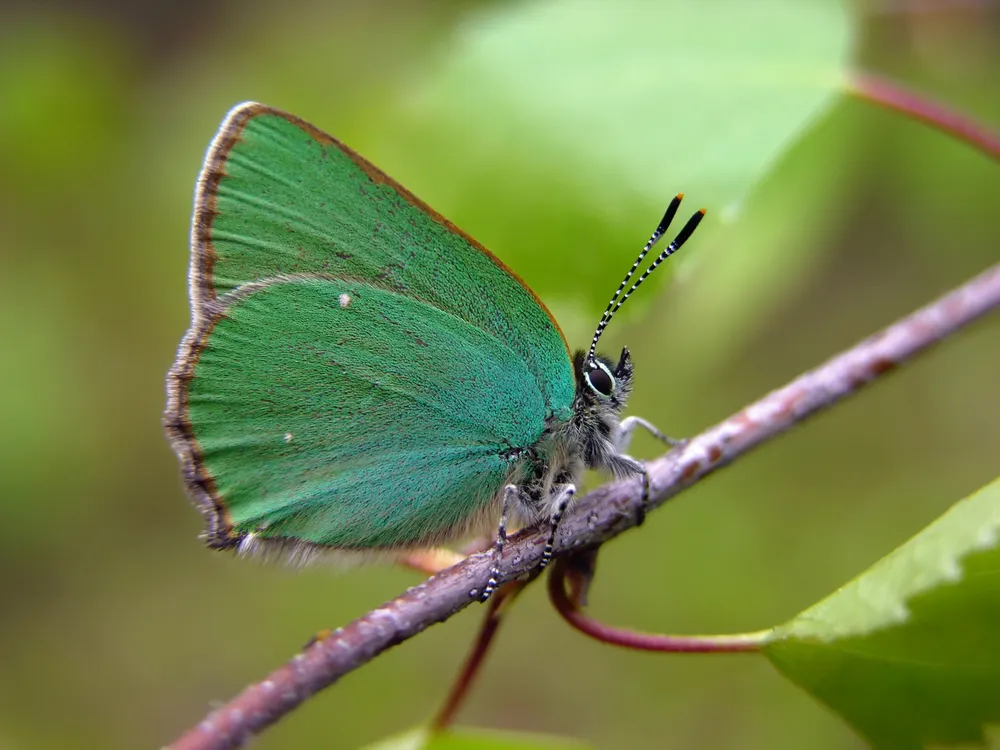 Callophrys rubiGreen Hairstreak (Callophrys rubi)The only butterfly in Europe with plain green undersides, the green hairstreak spends its whole adult life with its wings shut, so the brown upperside
 Celastrina argiolusHolly Blue (Celastrina argiolus)The holly blue is the small silvery-blue butterfly that flies round the tops of hedges and ivy-covered walls in spring, well above the height of every
 Cupido minimusSmall Blue (Cupido minimus)The small blue is Britain's smallest butterfly, a sooty brown insect barely an inch across that lives in tight colonies on chalk and limestone grassla
 Polyommatus semiargusMazarine Blue (Polyommatus semiargus)A small, deep violet-blue butterfly of old hay meadows, the mazarine blue is best known for what it lacks: there is not a single orange mark on its pl
 Neozephyrus quercusPurple Hairstreak (Neozephyrus quercus)The purple hairstreak is a small silvery-grey butterfly of oak woodland across Europe, North Africa and western Asia, and it is identified in flight b
 Lycaena phlaeasCommon Copper (Lycaena phlaeas)The common copper (Lycaena phlaeas), known as the small copper in Europe and the American copper in North America, is a small, fast-flying butterfly o
 Polyommatus bellargusAdonis Blue (Polyommatus bellargus)The Adonis blue is a small butterfly of warm chalk and limestone grassland in Europe and western Asia, where the male's brilliant sky-blue wings and bPhengaris arionLarge Blue (Phengaris arion)The large blue (Phengaris arion) is the biggest of Europe's blue butterflies, a bright blue insect with a row of bold black forewing spots that lives
 Polyommatus icarusCommon Blue (Polyommatus Icarus)The common blue is a small grassland butterfly of Europe, North Africa and temperate Asia in which the male is violet-blue above and the female mostly
Show all 43 other gossamer-winged species names
- Balkan Blue (Agriades dardanus)
- Brown Argus (Aricia agestis)
- Blue Argus (Aricia anteros)
- Northern Brown Argus (Aricia artaxerxes)
- Osiris Blue (Cupido osiris)
- Provençal Short-tailed Blue (Cupido alcetas)
- Short-tailed Blue (Cupido argiades)
- Eastern Short-tailed Blue (Cupido decolorata)
- Geranium Argus (Eumedonia eumedon)
- Green-underside Blue (Glaucopsyche alexis)
- Iolas Blue (Iolana iolas)
- Long-tailed Blue (Lampides boeticus)
- Lang's Short-tailed Blue (Leptotes pirithous)
- Purple-shot Copper (Lycaena alciphron)
- Dusky Copper (Lycaena candens)
- Large Copper (Lycaena dispar)
- Purple-edged Copper (Lycaena hippothoe)
- Lesser Fiery Copper (Lycaena thersamon)
- Sooty Copper (Lycaena tityrus)
- Scarce Copper (Lycaena virgaureae)
- Chalkhill Blue (Lysandra coridon)
- Alcon Blue (Phengaris alcon)
- Dusky Large Blue (Phengaris nausithous)
- Scarce Large Blue (Phengaris teleius)
- Silver-studded Blue (Plebejus argus)
- Reverdin's Blue (Plebejus argyrognomon)
- Idas Blue (Plebejus idas)
- Anomalous Blue (Polyommatus admetus)
- Meleager's Blue (Polyommatus daphnis)
- Amanda's Blue (Polyommatus amandus)
- Dorylas Blue (Polyommatus dorylas)
- Eros Blue (Polyommatus eros)
- Escher's Blue (Polyommatus escheri)
- Chapman's Blue (Polyommatus thersites)
- Eastern Baton Blue (Pseudophilotes vicrama)
- Sloe Hairstreak (Satyrium acaciae)
- Ilex Hairstreak (Satyrium ilicis)
- Black Hairstreak (Satyrium pruni)
- Blue-spot Hairstreak (Satyrium spini)
- White-letter Hairstreak (Satyrium w-album)
- Orion Blue (Scolitantides orion)
- Little Tiger Pierrot (Tarucus balkanica)
- Brown Hairstreak (Thecla betulae)
Whites and Sulphurs (Pieridae)
 Anthocharis cardaminesOrange-tip (Anthocharis cardamines)The orange-tip is a small white butterfly of damp meadows, hedgerows, woodland rides and gardens across Europe and temperate Asia, and the male's defi
 Colias croceusClouded Yellow (Colias croceus)The clouded yellow (Colias croceus) is a fast, low-flying golden-orange butterfly of open grassland, breeding around the Mediterranean and North Afric
 Gonepteryx rhamniBrimstone (Gonepteryx rhamni)The brimstone is a large, leaf-shaped yellow butterfly of woodland edges, hedgerows and gardens across Europe, North Africa and temperate Asia, and th
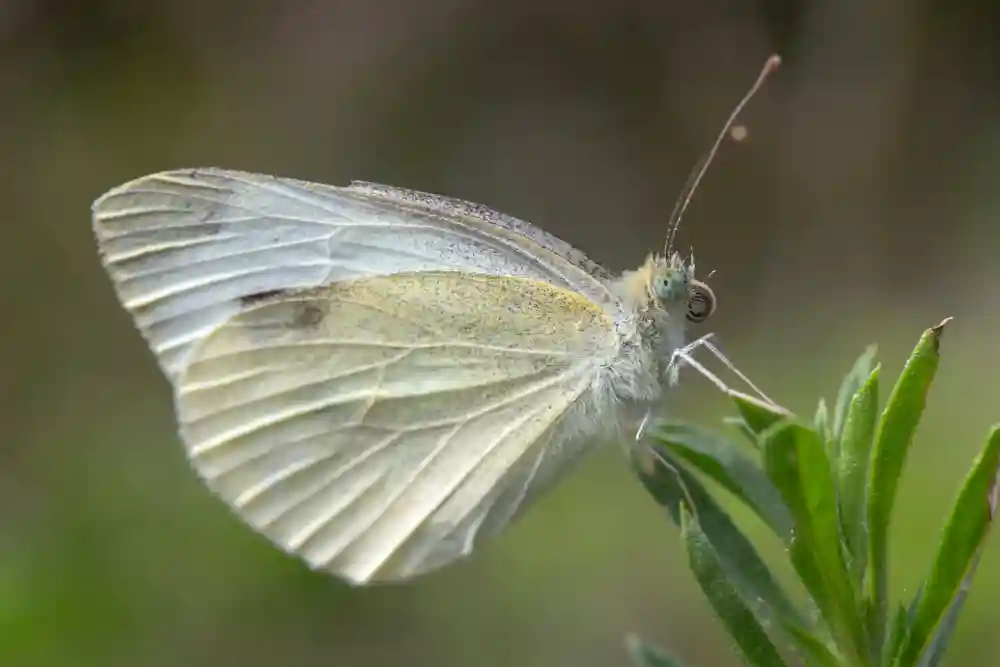 Pieris rapaeCabbage White (Pieris rapae)The cabbage white is probably the most-seen butterfly on the planet: a small, chalk-white insect with one or two black spots that drifts over allotmen
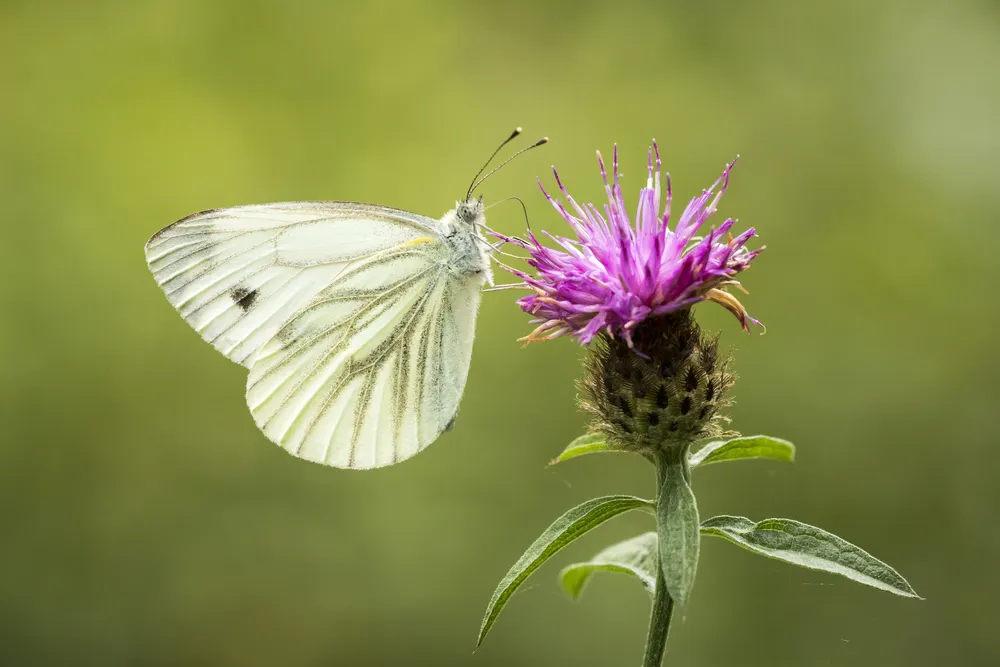 Pieris napiGreen-veined White (Pieris napi)The green-veined white (Pieris napi) is a medium-sized white butterfly of damp meadows, woodland rides, hedgerows and stream banks across Europe, NortPieris rapaeCabbage White (Pieris rapae)The cabbage white is probably the most-seen butterfly on the planet: a small, chalk-white insect with one or two black spots that drifts over allotmen
Show all 12 other whites and sulphurs species names
- Black-veined White (Aporia crataegi)
- Berger's Clouded Yellow (Colias alfacariensis)
- Pale Clouded Yellow (Colias hyale)
- Danube Clouded Yellow (Colias myrmidone)
- Eastern Dappled White (Euchloe ausonia)
- Cleopatra (Gonepteryx cleopatra)
- Fenton's Wood White (Leptidea morsei)
- Wood White (Leptidea sinapis)
- Persian White (Pieris ergane)
- Southern Small White (Pieris mannii)
- Eastern Bath White (Pontia edusa)
- Pieris balcana
Metalmark (Riodinidae)
- Duke of Burgundy (Hamearis lucina)
Swallowtail (Papilionidae)
 Iphiclides podaliriusScarce Swallowtail (Iphiclides podalirius)A cream-coloured swallowtail striped like a tiger and tailed like a sail, the scarce swallowtail is one of the great gliders of the European butterflyPapilio machaonOld World Swallowtail (Papilio machaon)The Old World swallowtail is a large yellow-and-black butterfly with a tail on each hindwing and a red eyespot above it, found right across Europe, No
 Parnassius apolloApollo (Parnassius apollo)A large white mountain butterfly with black forewing spots and red, white-pupilled eyespots on the hindwings, the apollo is the emblem of European alp
- Alexandra's Swallowtail (Papilio alexanor)
- Clouded Apollo (Parnassius mnemosyne)
- Southern Festoon (Zerynthia polyxena)
Skipper (Hesperiidae)
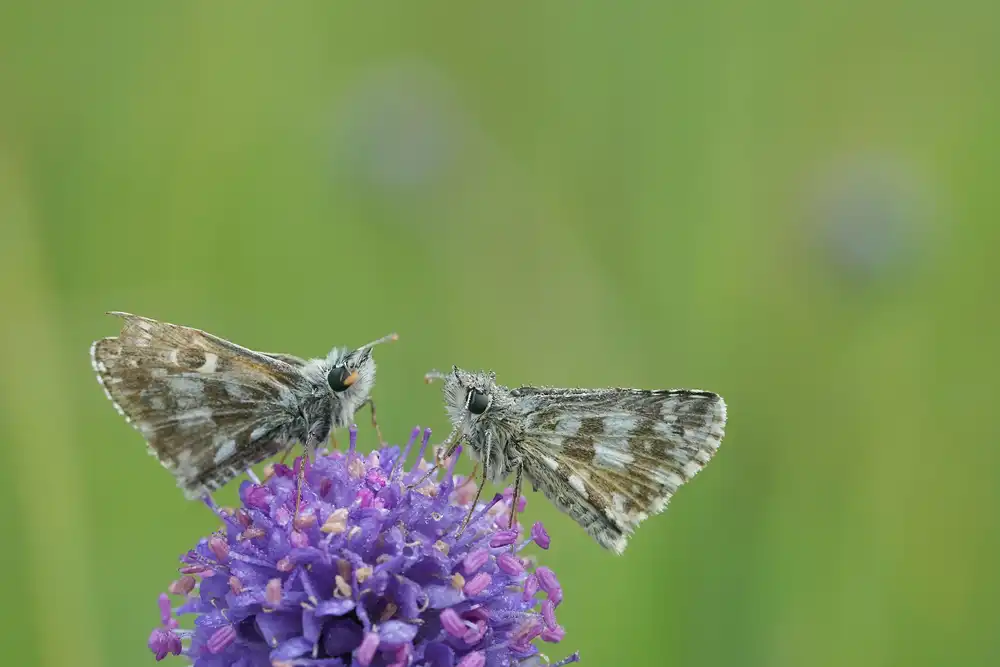
Show all 22 other skipper species names
- Mallow Skipper (Carcharodus alceae)
- Tufted Skipper (Carcharodus floccifera)
- Marbled Skipper (Carcharodus lavatherae)
- Oriental Skipper (Carcharodus orientalis)
- Chequered Skipper (Carterocephalus palaemon)
- Dingy Skipper (Erynnis tages)
- Dingy Swift (Gegenes nostrodamus)
- Pygmy Skipper (Gegenes pumilio)
- Silver-spotted Skipper (Hesperia comma)
- Large Chequered Skipper (Heteropterus morpheus)
- Large Skipper (Ochlodes sylvanus)
- Large Grizzled Skipper (Pyrgus alveus)
- Oberthür's Grizzled Skipper (Pyrgus armoricanus)
- Safflower Skipper (Pyrgus carthami)
- Rozy Grizzled Argus (Pyrgus onopordi)
- Olive Skipper (Pyrgus serratulae)
- Yellow-banded Skipper (Pyrgus sidae)
- Hungaria Skipper (Spialia orbifer)
- Red-underwing Skipper (Spialia sertorius)
- Lulworth Skipper (Thymelicus acteon)
- European Skipper (Thymelicus lineola)
- Small Skipper (Thymelicus sylvestris)
How to identify a butterfly in Croatia
Start by asking where you are. On the coast, a big cream butterfly with black stripes and long tails is the Scarce Swallowtail, a yellow one with shorter tails the Old World Swallowtail, and a large brown one with two short tails and a cream band on a fig tree is the Two-tailed Pasha. A yellow butterfly with an orange flush on the forewing is the Cleopatra, a plain lemon one the Brimstone. Small brown butterflies with a row of eyespots on karst grassland in March can only be the Dalmatian Ringlet.
In the mountains, dark brown butterflies with orange bands and eyespots are Erebia ringlets; a large white with red spots is the Apollo. Chequered orange butterflies are Melitaea fritillaries, orange ones with silver beneath the large Argynnis and Speyeria. Blues are the hardest group in Croatia, with more than 40 species, so photograph the underside. Compare with the rest of Europe under Butterflies of the World.
Frequently asked questions about Croatian butterflies
How many species of butterfly are there in Croatia?
The Croatian national checklist contains 196 butterfly species, or about 200 in round numbers, which is roughly three times the total for the United Kingdom. The high number comes from combining Mediterranean coast and islands, the Dinaric mountains and the Pannonian lowlands of Slavonia, each with its own set of species.
What are the most notable butterflies in Croatia?
The Dalmatian Ringlet is the most notable, because the subspecies found on the karst around Split, Krka and Biokovo lives nowhere else. The Apollo, Two-tailed Pasha, Old World and Scarce Swallowtails, Southern Festoon and Cleopatra are the showiest, and the four Phengaris large blues and the False Ringlet are the conservation flagships.
When is the best season for butterfly watching in Croatia?
May to July is the best period. May and June are peak on the coast and in the lowlands, when the swallowtails, fritillaries and blues are all flying, and July is best on Velebit, Biokovo and Dinara for the Apollo and the mountain ringlets. The Dalmatian Ringlet flies only from mid-March to April.
Are swallowtail butterflies common in Croatia?
Yes. The Old World Swallowtail and Scarce Swallowtail are common across the country from March to September, in gardens, olive groves and meadows. Croatia also has the Southern Festoon in spring, the Apollo and Clouded Apollo in the mountains, and Alexandra's Swallowtail as a rarity, giving six members of the family in total.
Which brush-footed butterflies live in Croatia?
The Nymphalidae are Croatia's largest family with more than 80 species: the Painted Lady, Peacock, Small Tortoiseshell, Mourning Cloak and Comma, the Purple and Lesser Purple Emperors, Poplar and Southern White Admirals, the Two-tailed Pasha, many fritillaries, and a large set of graylings, meadow browns and Erebia mountain ringlets.
Where are the best places to see butterflies in Croatia?
Velebit, covering Northern Velebit and Paklenica National Parks, is the richest area, with everything from coastal to alpine species. Biokovo and Krka are the places for the Dalmatian Ringlet, Plitvice Lakes for forest and wet-meadow species, Učka for the False Ringlet, and Lonjsko Polje for the Large Copper and the large blues.
Is the Painted Lady found in Croatia?
Yes. The Painted Lady reaches Croatia from North Africa every spring, arriving on the Adriatic coast from February and breeding on thistles and mallows through the summer before its descendants fly south in autumn. In migration years such as 2019 it can be the commonest butterfly in the country for weeks.
What is the Dalmatian Ringlet?
The Dalmatian Ringlet (Proterebia afra dalmata) is a small brown butterfly with orange-ringed eyespots that flies from mid-March to April on stony karst grassland in Dalmatia. It is an isolated subspecies of a steppe butterfly whose nearest populations are in Greece and southern Russia, and it is Croatia's only endemic butterfly.
Which Croatian butterflies are endangered?
The False Ringlet, Europe's most threatened butterfly, the Large Copper, the Large, Alcon, Scarce Large and Dusky Large Blues, the Scarce and Marsh Fritillaries, Woodland Brown, Apollo and Danube Clouded Yellow are the priority species. Most depend on wet or flower-rich meadows that are being drained, fertilised or abandoned to scrub.
Does Croatia have a national butterfly?
No, Croatia has not designated an official national butterfly. The Dalmatian Ringlet is the species most closely associated with the country because its Dalmatian subspecies is endemic, and the Apollo and Old World Swallowtail are the best-known and most photographed Croatian butterflies.
Published October 30, 2023 · Last updated September 21, 2026